Tick populations in California are becoming a growing concern, particularly in regions with dense vegetation, wildlife activity, and seasonal moisture. While the Midwest often gets attention for tick surges, recent data shows that California is also experiencing increased tick presence and expanding risk zones, especially in coastal, foothill, and wooded areas.
For property managers, contractors, and homeowners, understanding this shift is critical to maintaining safe and usable outdoor environments.
What Research Says About Ticks in California
Ticks are well established across California, with the western black-legged tick (Ixodes pacificus) identified as the primary carrier of Lyme disease in the state.
According to the California Department of Public Health (CDPH), ticks capable of transmitting Lyme disease have been found in over 50 counties, particularly in northern and coastal regions where humidity and vegetation support their lifecycle.
Research from the University of California Agriculture and Natural Resources (UC ANR) highlights that tick density is strongly associated with shaded environments, leaf litter, and the presence of wildlife hosts such as deer and rodents.
Additionally, studies show that tick activity in California can occur year-round in milder climates, with peak activity typically occurring in spring and early summer—but extending longer in certain regions due to favorable weather conditions.
Where Tick Risk Is Highest in California
Unlike other regions where ticks are concentrated in forests, California’s diverse landscape creates multiple high-risk environments.
Common hotspots include:
- Coastal brush and wooded areas
- Hillsides and canyon regions with dense vegetation
- Parks, trails, and recreational spaces
- Residential properties with landscaping and irrigation
- Undeveloped or partially developed land
Even in urban areas, ticks can thrive in greenbelts, overgrown perimeters, and shaded yards—bringing the risk closer to homes and job sites.
Why Tick Exposure Is Increasing
Several environmental trends are contributing to increased tick activity across California:
Expanding Wildlife Populations
Deer, rodents, and other host animals are moving closer to residential and commercial areas, carrying ticks into new environments.
Irrigation and Landscaping
Artificial watering systems create humid microclimates that support tick survival, even in otherwise dry regions.
Climate Variability
Warmer temperatures and milder winters allow ticks to remain active for longer periods, increasing exposure risk throughout the year.
These factors combine to create persistent tick habitats that are difficult to manage without targeted intervention.
The Impact on Outdoor Work and Property Management
For those working or managing outdoor environments, ticks present both operational and health-related challenges.
Tick presence can lead to:
- Increased risk of Lyme disease and other tick-borne illnesses
- Disruptions for crews working in vegetation-heavy areas
- Reduced usability of outdoor spaces for tenants or visitors
- Ongoing maintenance concerns in landscaped or irrigated properties
As tick populations grow, these issues are becoming more common across a wide range of industries, from construction to property management.
Why Basic Prevention Isn’t Enough
Standard recommendations—such as wearing protective clothing or using repellents—are important, but they only address individual exposure.
They do not reduce tick populations in the environment.
Ticks typically remain in shaded vegetation and ground cover, waiting to attach to passing hosts. Without treating these areas directly, populations can persist and continue to spread.
This is why environmental control is increasingly emphasized in tick management strategies.
A More Effective Approach: Targeting Tick Habitats
To manage ticks effectively, treatment needs to reach the areas where they live.
Professional pest control strategies often focus on:
- Vegetation and brush treatment
- Perimeter applications around properties
- Managing shaded and moisture-retaining zones
For properties and job sites that require flexibility and coverage, portable equipment offers a practical way to apply these treatments consistently.
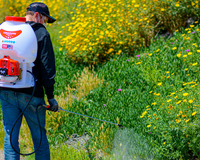
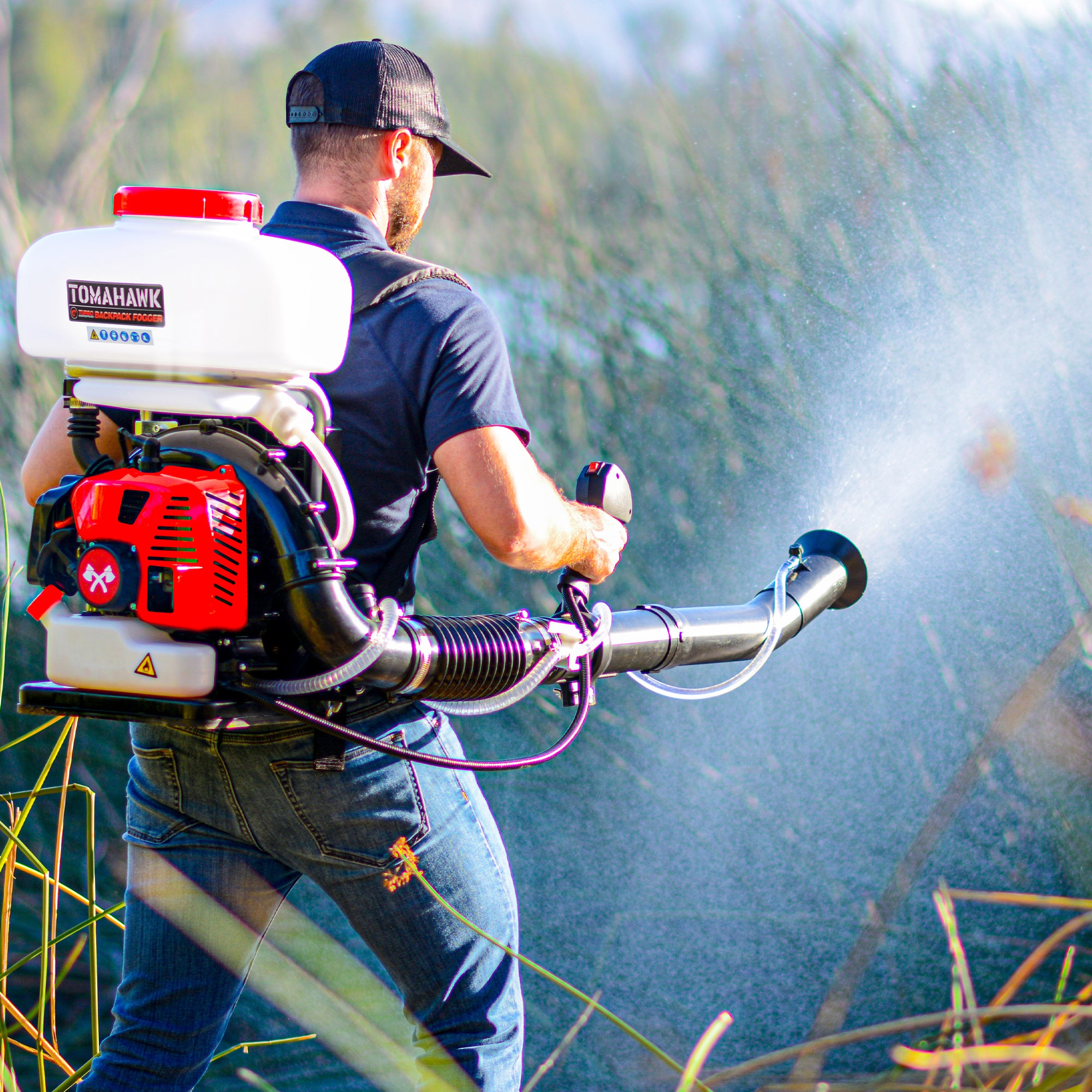
Backpack foggers, for example, allow operators to move through dense areas while distributing treatment evenly. This makes it easier to reach high-risk zones like brush, tall grass, and perimeter edges—where ticks are most likely to be found.
Practical Applications Across California
Given the diversity of California landscapes, targeted tick control is especially useful in:
- Residential properties with heavy landscaping
- Construction sites near undeveloped land
- Parks, trails, and outdoor recreational areas
- Agricultural and rural properties
- Hillside and canyon developments
These environments often combine vegetation, wildlife activity, and moisture—creating ideal conditions for ticks to thrive.
Preparing for Ongoing Tick Activity
Tick populations in California are not a temporary issue—they reflect broader environmental patterns that are likely to continue.
Research and public health data consistently show that:
- Tick habitats are expanding
- Exposure risk is increasing in both rural and urban areas
- Environmental management is key to long-term control
For property owners and professionals, adapting to these conditions means going beyond basic prevention and implementing more consistent, area-focused strategies.
Staying Ahead of Tick Risk in California
As tick activity continues to rise, proactive management becomes essential. Understanding where ticks live and how to treat those environments can significantly reduce exposure and improve overall safety.
Combining habitat control with effective treatment methods—such as targeted fogging—provides a more reliable approach to managing tick populations across California’s varied landscapes.