Tick activity in California is becoming more widespread, with increasing reports of exposure across residential, commercial, and recreational areas. While ticks have long been present in the state, recent environmental patterns are contributing to higher populations and longer periods of activity.
For property owners, contractors, and outdoor professionals, this shift is making tick control an essential part of maintaining safe and functional environments.
What’s Causing the Increase in Tick Activity?
Research from the California Department of Public Health (CDPH) confirms that the western black-legged tick (Ixodes pacificus)—the primary vector for Lyme disease in California—is established across much of the state, particularly in coastal and foothill regions.
Studies from the University of California system further show that tick populations are strongly influenced by microclimates, especially areas with:
- Shade and dense vegetation
- Leaf litter and undisturbed soil
- Consistent moisture from irrigation or coastal humidity
Unlike drier inland zones, these environments allow ticks to survive and remain active for extended periods. In many parts of California, tick activity can persist well beyond traditional spring and summer seasons.
Where Ticks Are Showing Up
One of the biggest changes in recent years is where ticks are being found. They are no longer limited to remote hiking trails or wooded forests.
In California, ticks are increasingly present in:
- Residential yards with heavy landscaping
- Hillside developments and canyon properties
- Job sites near undeveloped or brush-covered land
- Parks, golf courses, and recreational areas
Because ticks rely on wildlife hosts such as deer and rodents, they can easily spread into managed environments, making control more complex.
Why Tick Control Requires a Different Approach
Traditional prevention methods—such as wearing protective clothing or using repellents—are still important, but they only reduce the risk of individual exposure.
They do not reduce the tick population itself.
Ticks tend to remain in specific environments, waiting in vegetation for a host to pass by. Without treating these areas directly, populations can persist and continue to grow.
This is why many pest control strategies now emphasize environmental treatment as a core part of tick management.
Treating Tick Habitats More Effectively
To reduce tick populations, treatment must reach the areas where they live—typically dense vegetation, shaded ground cover, and perimeter zones.
In larger or more complex environments, applying treatment evenly can be challenging without the right equipment.
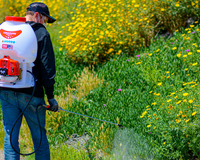
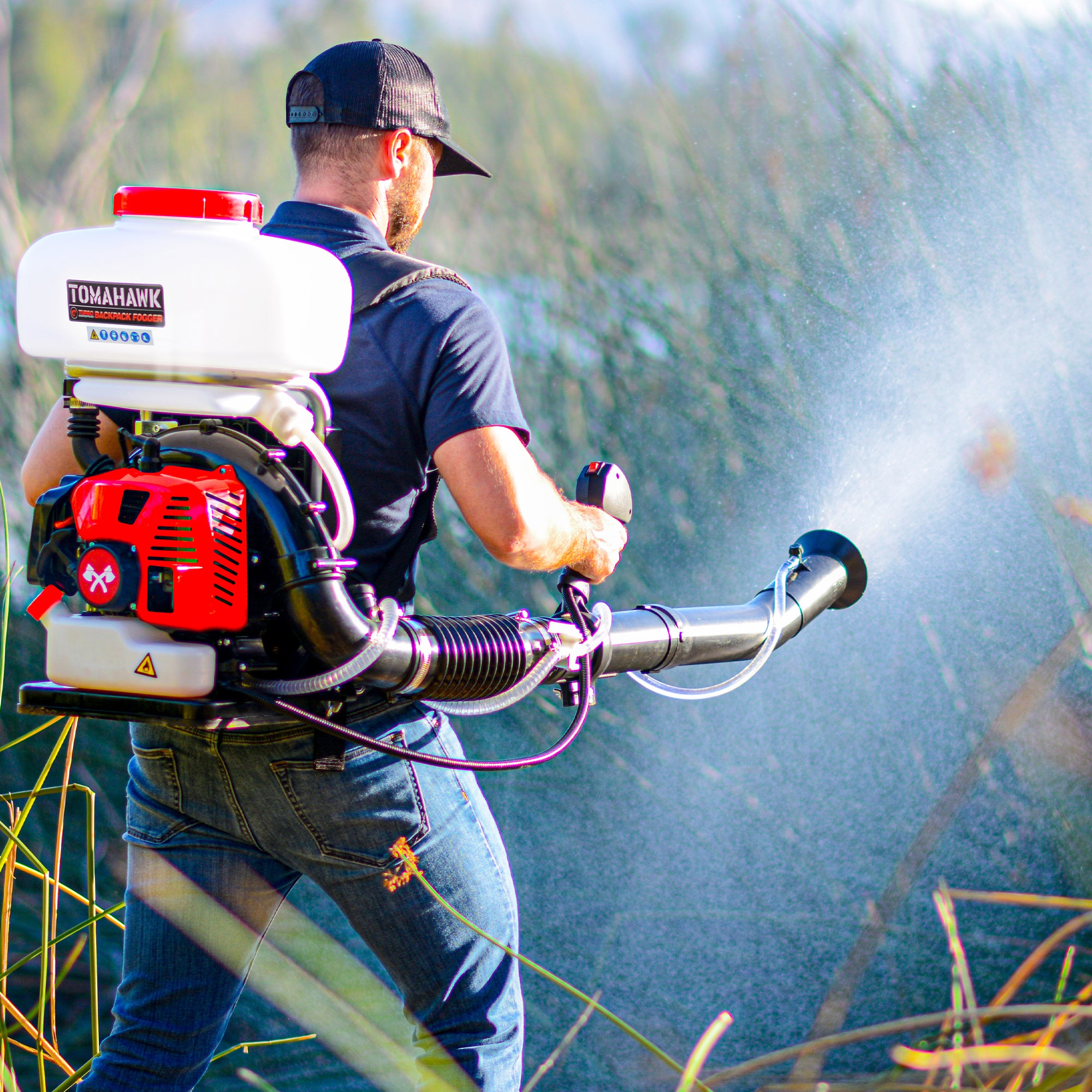
This is where a mosquito and pest control backpack fogger becomes a practical solution.
By allowing operators to move freely through a property, a fogger can distribute treatment across:
- Brush and tall grass
- Landscaping and perimeter edges
- Hard-to-reach shaded zones
- Transition areas between developed and undeveloped land
The fine mist produced by fogging equipment helps improve coverage, making it easier to target the environments where ticks are most active.
Practical Use Cases Across California
With tick activity increasing across the state, portable fogging solutions are being used in a variety of real-world applications:
- Treating landscaped residential properties in coastal regions
- Managing vegetation around construction and development sites
- Maintaining parks, trails, and outdoor venues
- Supporting agricultural operations with consistent pest control
In each of these environments, the goal is the same: reduce tick populations at the source rather than relying solely on personal protection.
Adapting to California’s Changing Pest Patterns
California’s climate and landscape create unique challenges for pest control. As temperatures fluctuate and ecosystems shift, tick populations are becoming more resilient and widespread.
Research continues to show that:
- Tick habitats are expanding into new areas
- Activity periods are becoming longer
- Environmental control is key to effective management
These trends highlight the importance of adopting tools and strategies that can keep up with changing conditions.
A Smarter Way to Manage Tick Risk
For property owners and professionals, staying ahead of tick activity requires a combination of awareness, prevention, and targeted treatment.
Using a backpack fogger as part of a regular maintenance routine provides a more consistent and scalable way to manage tick populations—especially in environments where vegetation and wildlife make control more difficult.
Rather than reacting to infestations after they become a problem, this approach focuses on proactive management, helping maintain safer and more usable outdoor spaces across California.