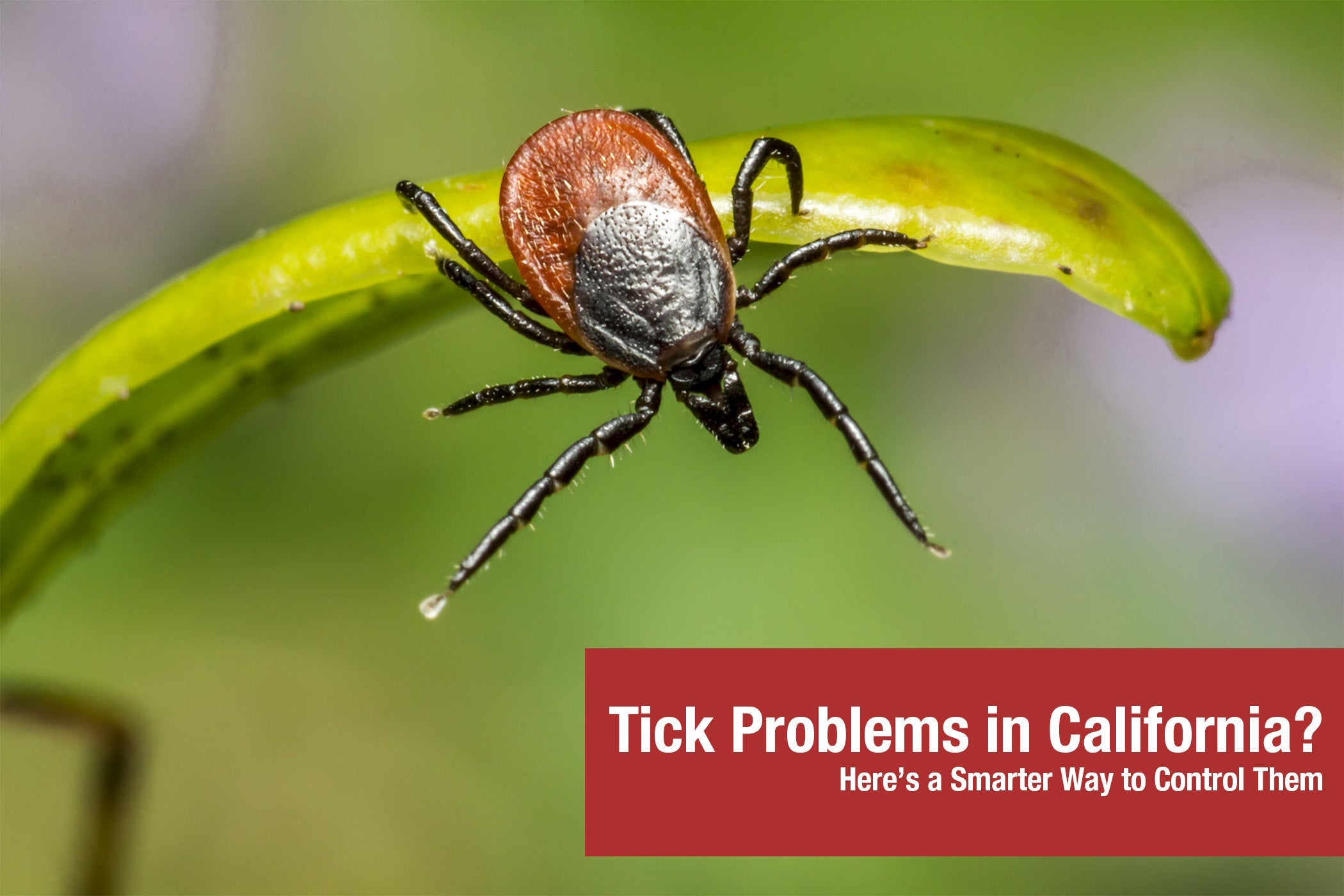
Tick activity across California is becoming harder to ignore. From coastal properties to inland developments, more property owners and contractors are dealing with increased tick presence in areas that were once considered low risk.
With tick populations expanding and remaining active for longer periods, relying on basic prevention methods is no longer enough. Managing the environment itself has become a key part of effective tick control.
Why Tick Control Is Becoming More Challenging
Ticks thrive in very specific conditions—and California offers plenty of them.
Shaded landscapes, irrigated lawns, and brush-covered terrain all create ideal habitats. Add in wildlife movement, such as deer and rodents, and ticks can quickly establish themselves in both residential and commercial environments.
What makes this more difficult is that ticks don’t move far on their own. Once they settle into an area, they tend to stay there, waiting in vegetation for a host to pass by.
This means that if the environment isn’t treated, the problem doesn’t go away.
The Shift Toward Environmental Treatment
Most people are familiar with personal protection methods like sprays or protective clothing. While those are still important, they only reduce the chance of a bite—they don’t reduce the tick population.
To actually control ticks, treatment needs to reach:
- Tall grass and dense vegetation
- Property perimeters
- Shaded ground cover
- Brush and transition zones
This is why more professionals are moving toward area-based treatment methods that focus on where ticks live, not just where people walk.
Why a Backpack Fogger Makes a Difference
When it comes to treating larger outdoor spaces, coverage and mobility are everything.
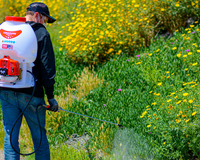
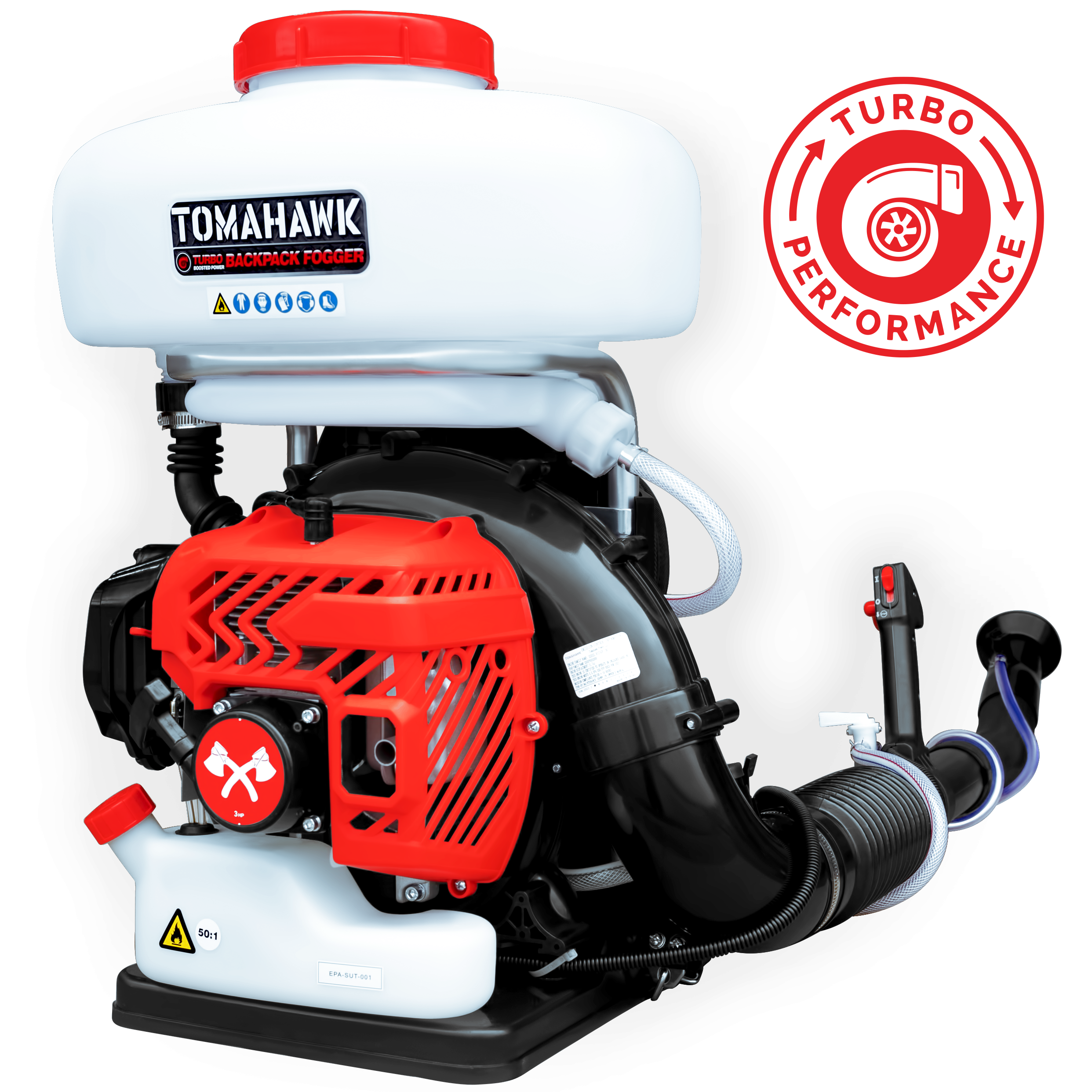
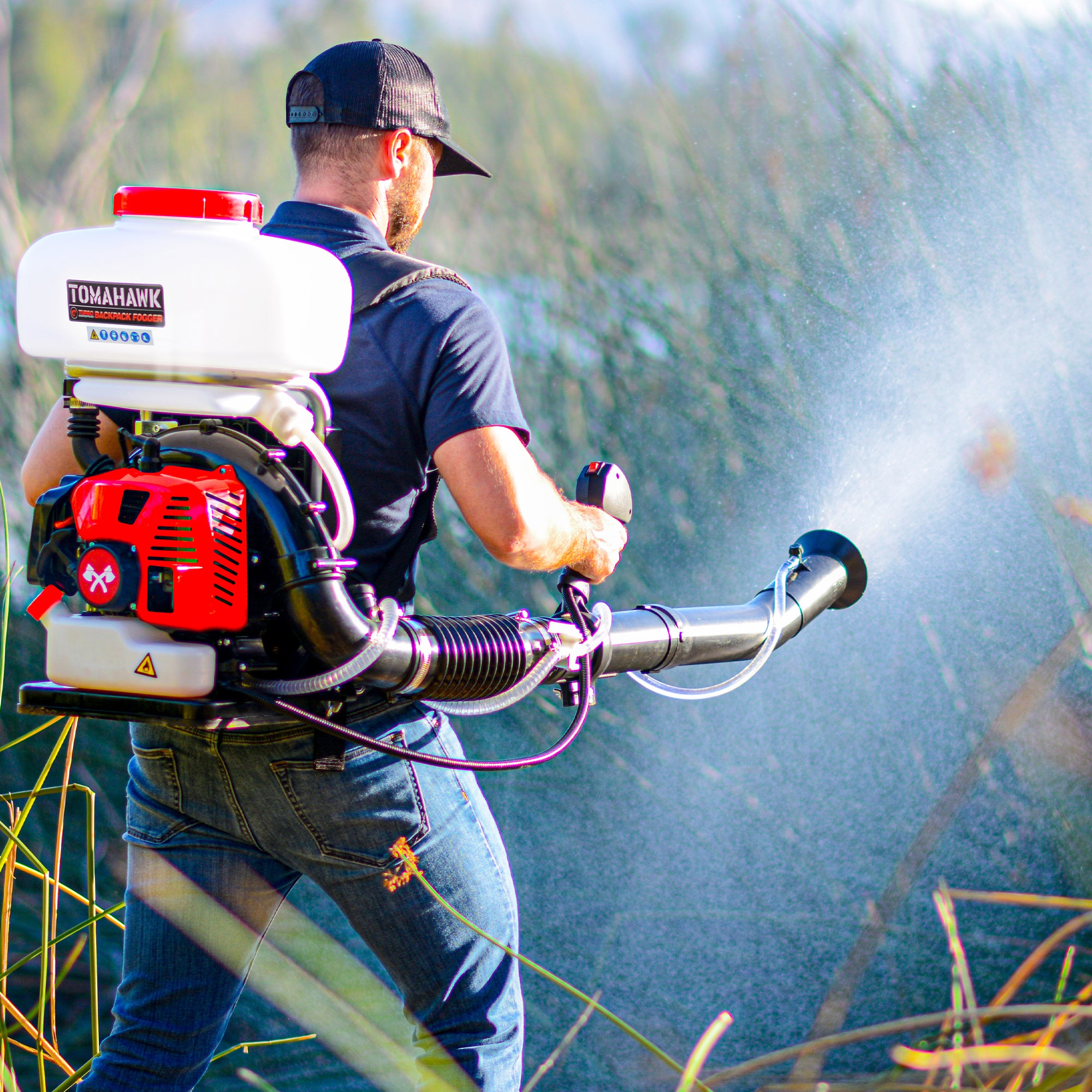
A mosquito and pest control backpack fogger provides a practical way to apply treatment across an entire property without being limited to small, isolated areas.
Instead of spot-treating, a fogger allows you to:
- Move continuously across the property
- Apply a consistent mist over vegetation and ground cover
- Reach into dense or hard-to-access areas
- Cover more space in less time
This makes it especially useful for environments where ticks tend to hide and reproduce.
Designed for Real-World Use
In California, tick control isn’t limited to one type of property. The need for effective treatment spans across multiple use cases.
A backpack fogger can be used for:
- Residential properties with heavy landscaping
- Construction sites near brush or undeveloped land
- Parks, trails, and outdoor recreational areas
- Agricultural and rural properties
In each case, the goal is the same—reduce tick populations before they become a larger issue.
Faster Coverage, More Consistent Results
One of the biggest advantages of using a fogger is efficiency. Instead of relying on handheld sprayers or manual methods, fogging allows for faster and more uniform application.
This not only saves time, but also improves results by ensuring that treatment reaches the areas where ticks are most active.
For contractors and property managers, this can translate into:
- Less time spent on pest control
- More consistent site conditions
- Improved comfort for crews and visitors
- Better overall property maintenance
A Practical Solution for Ongoing Control
Tick activity in California isn’t a one-time issue—it’s an ongoing challenge influenced by climate, vegetation, and wildlife patterns.
Because of this, control needs to be consistent and scalable.
Incorporating a backpack fogger into regular maintenance routines allows for repeatable, efficient treatment without relying on temporary fixes. It’s a practical way to stay ahead of tick populations, rather than reacting after they spread.
Taking Control of Your Property
As tick activity continues to rise across California, the approach to control needs to evolve. Treating the environment, improving coverage, and using the right equipment all play a role in long-term management.
For those dealing with recurring tick issues, a mosquito and pest control backpack fogger offers a more effective way to manage outdoor spaces—helping keep properties safer, more comfortable, and easier to maintain.