Tick activity across the Midwest is increasing at a pace that’s catching many property owners and contractors off guard. Health agencies and recent studies are pointing to a clear trend: tick populations are not only growing, but expanding into new environments and staying active for longer periods throughout the year.
For anyone managing outdoor spaces—whether it’s a construction site, commercial property, or residential landscape—this shift is creating new risks that require more than basic prevention.
What Research Reveals About the Tick Surge
Scientific data continues to confirm that tick populations are closely tied to environmental conditions, particularly temperature and humidity.
According to research published by the Centers for Disease Control and Prevention (CDC), tickborne disease cases in the United States have more than doubled over the past two decades, largely due to expanding tick habitats and longer active seasons.
In addition, ecological studies show that milder winters and earlier springs allow ticks to survive in greater numbers and begin host-seeking behavior sooner, increasing the likelihood of human exposure.
Research from universities in the Midwest also highlights that black-legged ticks (Ixodes scapularis)—the primary carriers of Lyme disease—are now well established across the region and continuing to spread into previously low-risk areas.
Why Tick Exposure Is Increasing on Job Sites
Ticks are no longer limited to remote wooded areas. They are now commonly found in environments that overlap with everyday work and property management.
High-risk areas include:
- Overgrown vegetation and tall grass
- Perimeter edges of construction sites
- Material storage zones with minimal disturbance
- Shaded areas with leaf litter or moisture retention
Because ticks rely on host animals like deer and rodents, even partially developed or suburban areas can quickly become hotspots.
For contractors and crews, this creates a consistent exposure risk—especially during warmer months when activity peaks.
The Real Cost of Ignoring Tick Control
Tick infestations can impact operations in ways that go beyond health concerns.
Increased tick presence can lead to:
- Slower productivity due to discomfort and interruptions
- Greater need for protective gear and precautions
- Potential liability for property owners or site managers
- Increased concern from employees, tenants, or visitors
With tick-borne illnesses like Lyme disease continuing to rise, ignoring environmental control is becoming less viable as a long-term strategy.
Why Personal Protection Isn’t Enough
Most tick prevention advice focuses on individual behavior—wearing long sleeves, using repellents, and checking for ticks after exposure.
While these steps are important, they do not reduce the tick population itself.
Ticks tend to remain in specific habitats, waiting on vegetation to attach to passing hosts. If these areas are not treated, the population continues to regenerate regardless of personal precautions.
This is why many pest management strategies emphasize environmental treatment as a key component of effective control.
A More Practical Approach: Treating the Environment
To reduce tick populations effectively, treatment must reach the areas where ticks live—not just where people walk.
Area-wide application methods are commonly used in professional pest control to target:
- Dense vegetation
- Ground cover and shaded zones
- Property perimeters and transition areas
In smaller or mid-sized environments, portable equipment can make this process more efficient and consistent.
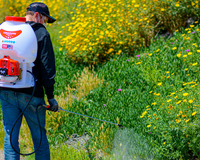
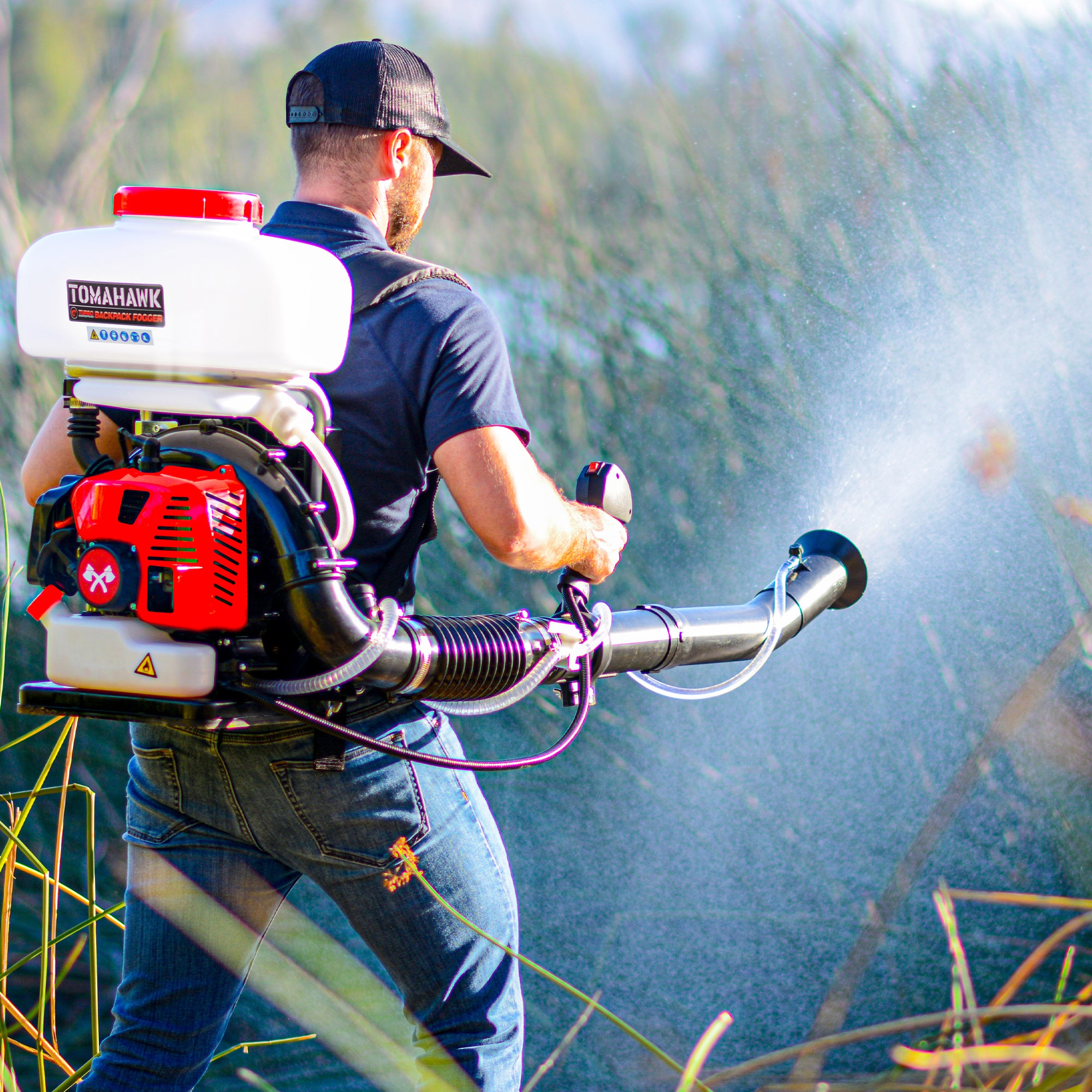
Backpack foggers, for example, allow operators to move through a property while applying treatment evenly across high-risk areas. The ability to reach into brush and vegetation makes them particularly useful for tick control, where surface-level applications often fall short.
Where This Approach Works Best
Given the current tick surge in the Midwest, targeted environmental treatment is especially useful in:
- Construction and development sites
- Farms and agricultural land
- Residential properties with landscaping features
- Parks, trails, and recreational spaces
These environments often combine vegetation, wildlife activity, and moisture—creating ideal conditions for ticks to thrive.
Preparing for Longer Tick Seasons
Research consistently shows that tick seasons are becoming longer and more intense. Warmer temperatures and shifting ecosystems are allowing ticks to remain active well beyond traditional peak months.
As a result, property owners and professionals need to think beyond short-term fixes and adopt more consistent, scalable control strategies.
Combining habitat management with effective treatment methods—such as targeted fogging—provides a more reliable way to reduce tick populations and maintain safer outdoor environments.
Staying Ahead of the Trend
The Midwest tick surge is part of a broader pattern that is likely to continue in the coming years. As tick populations grow and spread, proactive control becomes increasingly important.
Understanding where ticks live, how they spread, and how to treat affected areas can make a significant difference—not just in comfort, but in overall safety and usability of outdoor spaces.
For those managing properties or job sites, investing in practical, area-focused solutions is becoming an essential part of staying ahead of this growing issue.