Before building anything—whether it’s a foundation, driveway, or road—you need to make sure the soil is properly compacted. Poor compaction can lead to settling, cracking, and long-term structural problems. But how do you actually test soil compaction to be sure it’s done right?
What Does Soil Compaction Testing Measure?
Soil compaction testing determines whether the soil has reached the right density and strength to support a structure. It compares:
-
The in-place density of the soil
-
Against the maximum possible density for that soil type
The goal is to reach a specific percentage of compaction—typically 90% to 95% for most construction projects.
Common Methods to Test Soil Compaction
1. Proctor Test (Laboratory Test)
This is one of the most widely used methods in construction.
-
Measures the maximum dry density of a soil sample
-
Determines the optimum moisture content
-
Provides a baseline for field testing
👉 There are two main types:
-
Standard Proctor Test
-
Modified Proctor Test (used for heavier construction)
2. Nuclear Density Gauge Test
This is a fast, on-site testing method.
-
Uses a small radioactive device to measure soil density and moisture
-
Provides immediate results
-
Commonly used on large projects like highways
👉 Pros:
-
Quick and accurate
-
Real-time feedback
👉 Cons:
-
Requires trained operators and licensing
3. Sand Cone Test
A traditional field test used to measure soil density.
-
A hole is dug in the compacted soil
-
The removed soil is weighed
-
Sand of known density is used to fill the hole
-
Results are used to calculate compaction
👉 Pros:
-
Accurate and reliable
👉 Cons: -
Time-consuming and labor-intensive
4. Dynamic Cone Penetrometer (DCP)
A simple and portable test method.
-
A weighted cone is driven into the soil
-
The penetration depth indicates soil strength
-
Faster, but less precise than lab tests
👉 Best for: quick field checks and smaller projects
Understanding Compaction Levels
Most construction projects require a certain level of compaction:
-
90% compaction → Light-duty areas (landscaping, small patios)
-
95% compaction → Structural areas (buildings, roads, driveways)
These percentages are based on the results of the Proctor test.
Tools Used in Soil Compaction Testing
-
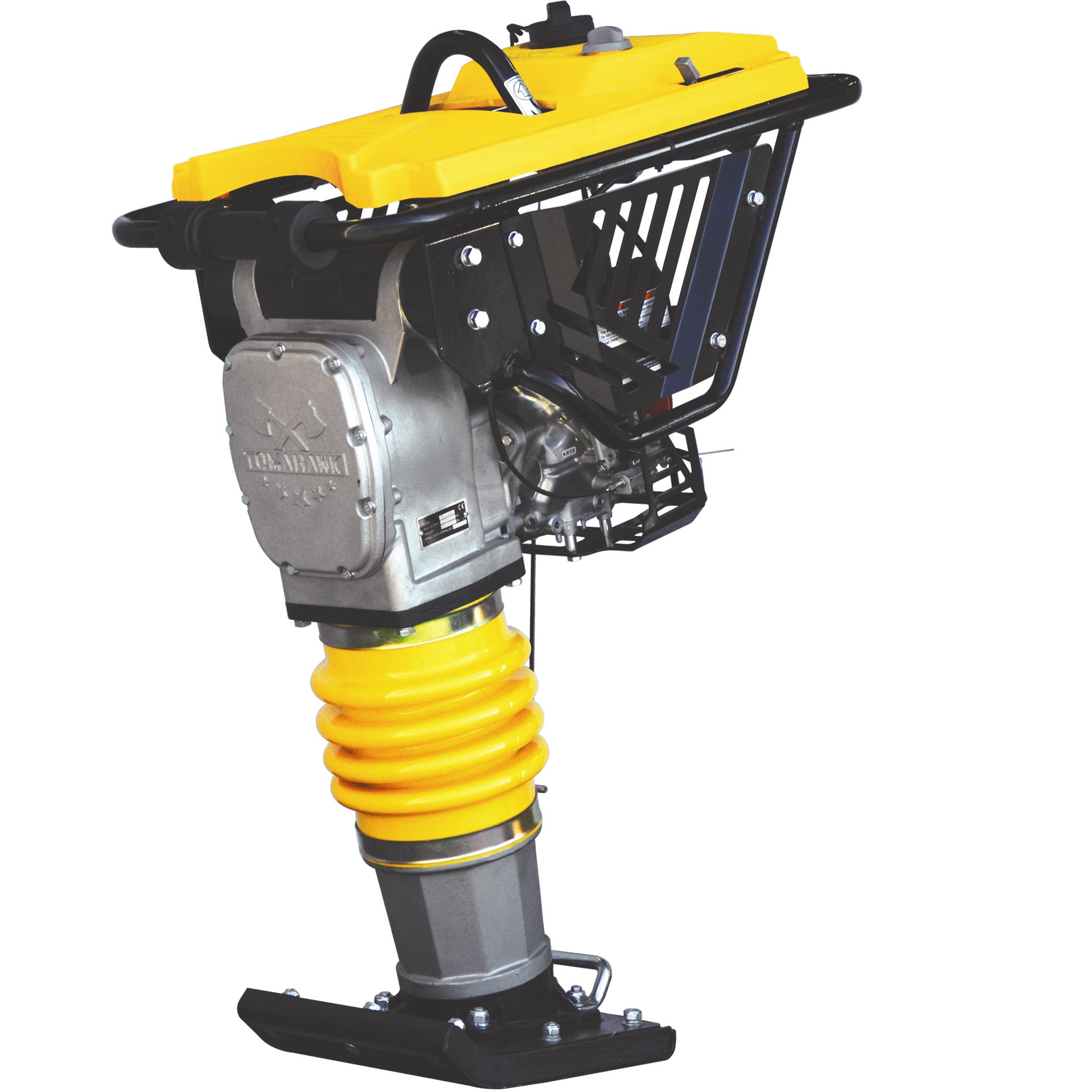
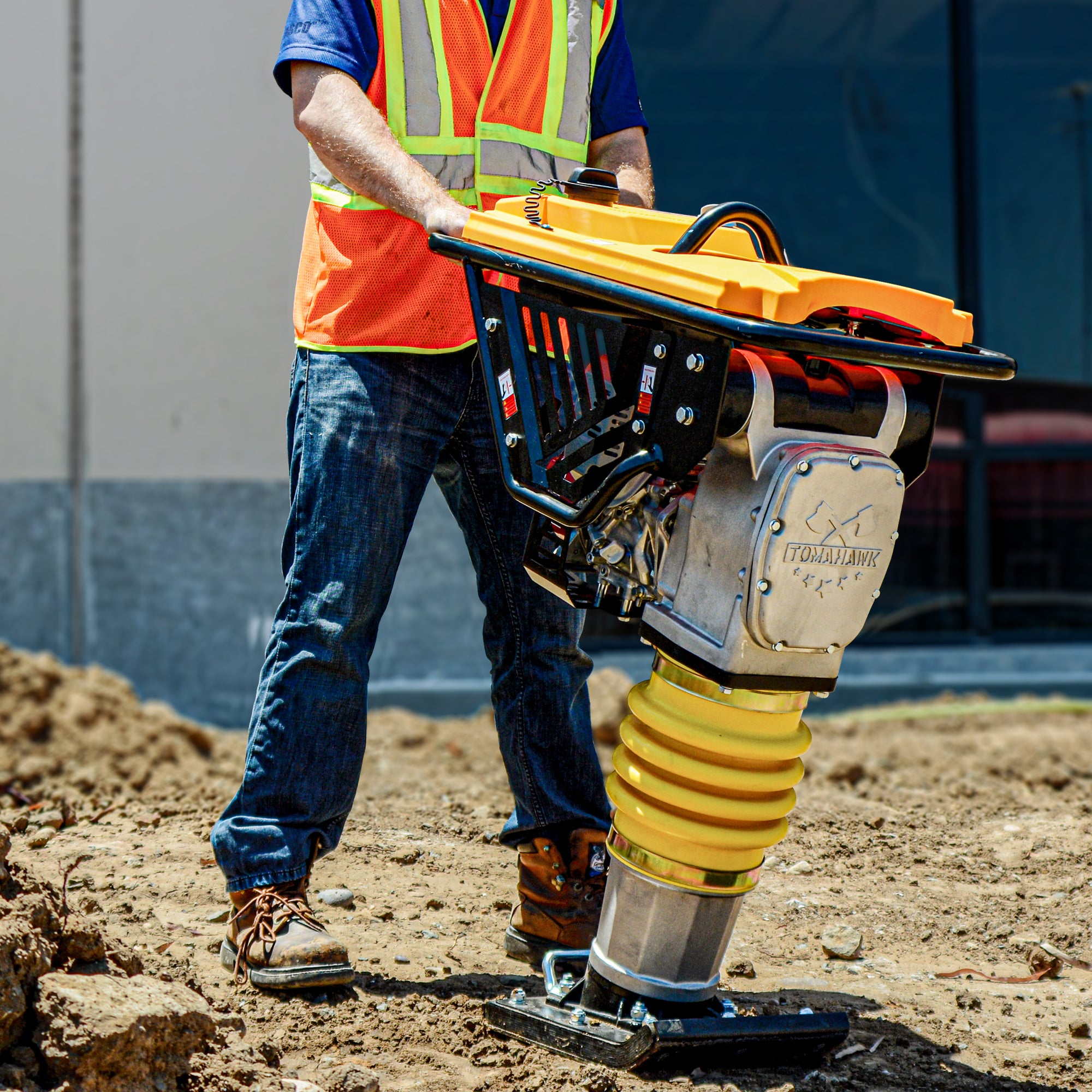
Compaction rollers and plate compactors
-
Moisture meters
-
Soil density testing kits
-
Nuclear gauges (for professional use)
-
Penetrometers
Common Mistakes in Soil Compaction Testing
-
Not testing at multiple depths
-
Ignoring moisture content
-
Skipping testing altogether
-
Using uncalibrated equipment
-
Compacting too dry or too wet
These mistakes can lead to inaccurate results and structural issues later.
Why Testing Is So Important
Testing ensures that:
-
The soil can handle the load of the structure
-
There is minimal risk of settling or shifting
-
The foundation remains stable over time
-
Construction meets building codes and standards
Contractor Insight
Experienced contractors often stress the importance of testing:
“You can’t see what’s happening beneath the surface, which is why soil compaction testing is critical. It’s the only way to know if your foundation will hold up.”
Testing soil compaction is a crucial step in any construction project. From simple tools like penetrometers to advanced nuclear gauges, there are several ways to ensure the soil is properly compacted and ready to support a structure.
Proper testing helps prevent future problems, saves money, and ensures your project is built on a solid foundation—literally.