Proper soil compaction is essential for building strong foundations, preventing settlement, and ensuring long-lasting construction. But choosing the right equipment can make all the difference. The “best” compaction equipment depends on the soil type, project size, and location.
Here’s a clear guide to the most effective soil compaction equipment and when to use each one.
1. Plate Compactor (Best for Granular Soils)
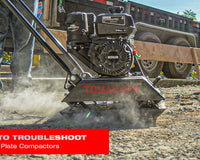
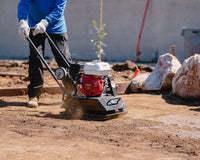
A plate compactor is one of the most commonly used tools for soil compaction.
-
Uses vibration and weight to compact soil
-
Works best on sand, gravel, and other granular soils
-
Ideal for small to medium-sized areas
Best Uses:
-
Driveways
-
Patios
-
Paver bases
-
Sidewalks
Plate compactors are especially effective because the vibration helps particles settle tightly together, creating a dense, stable surface.
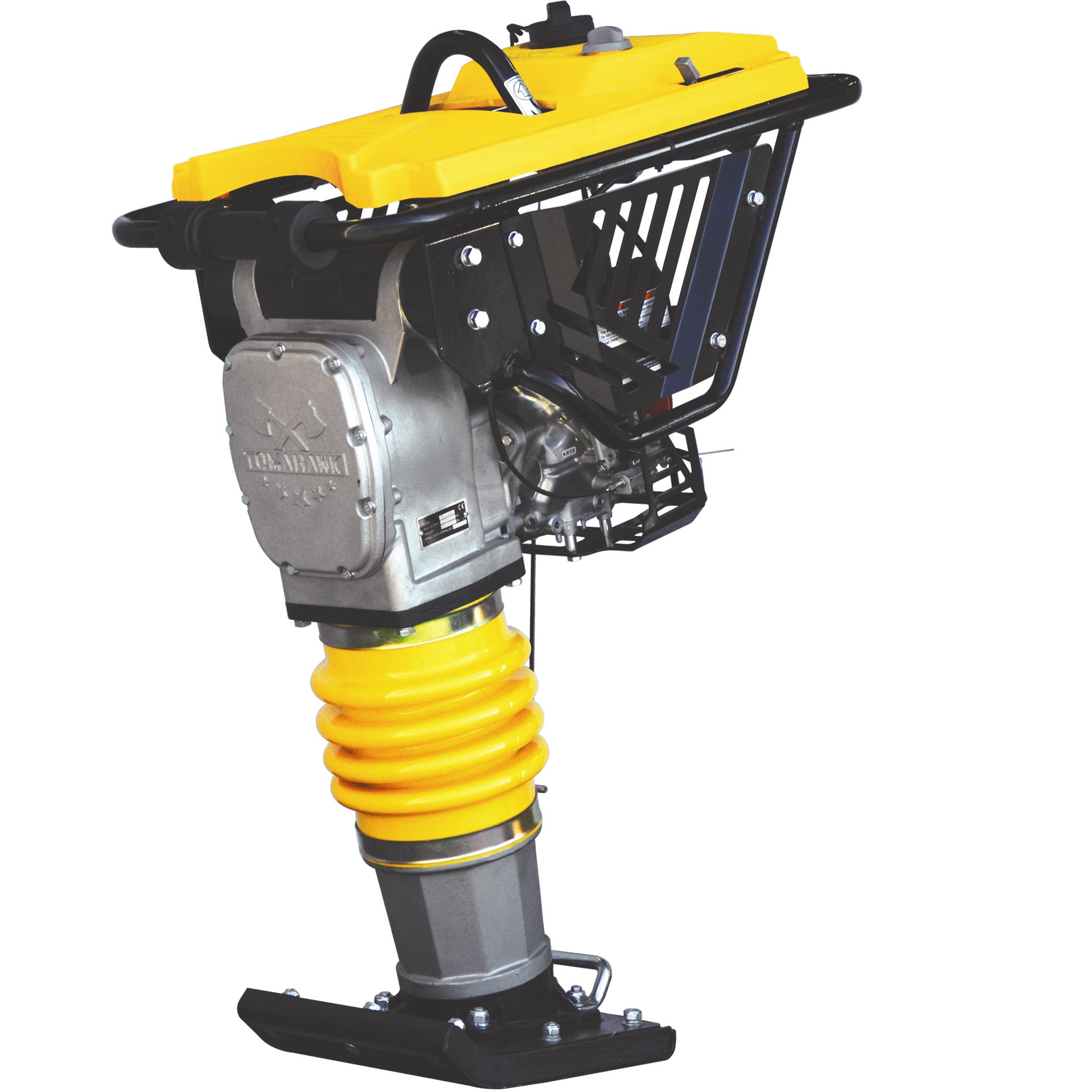
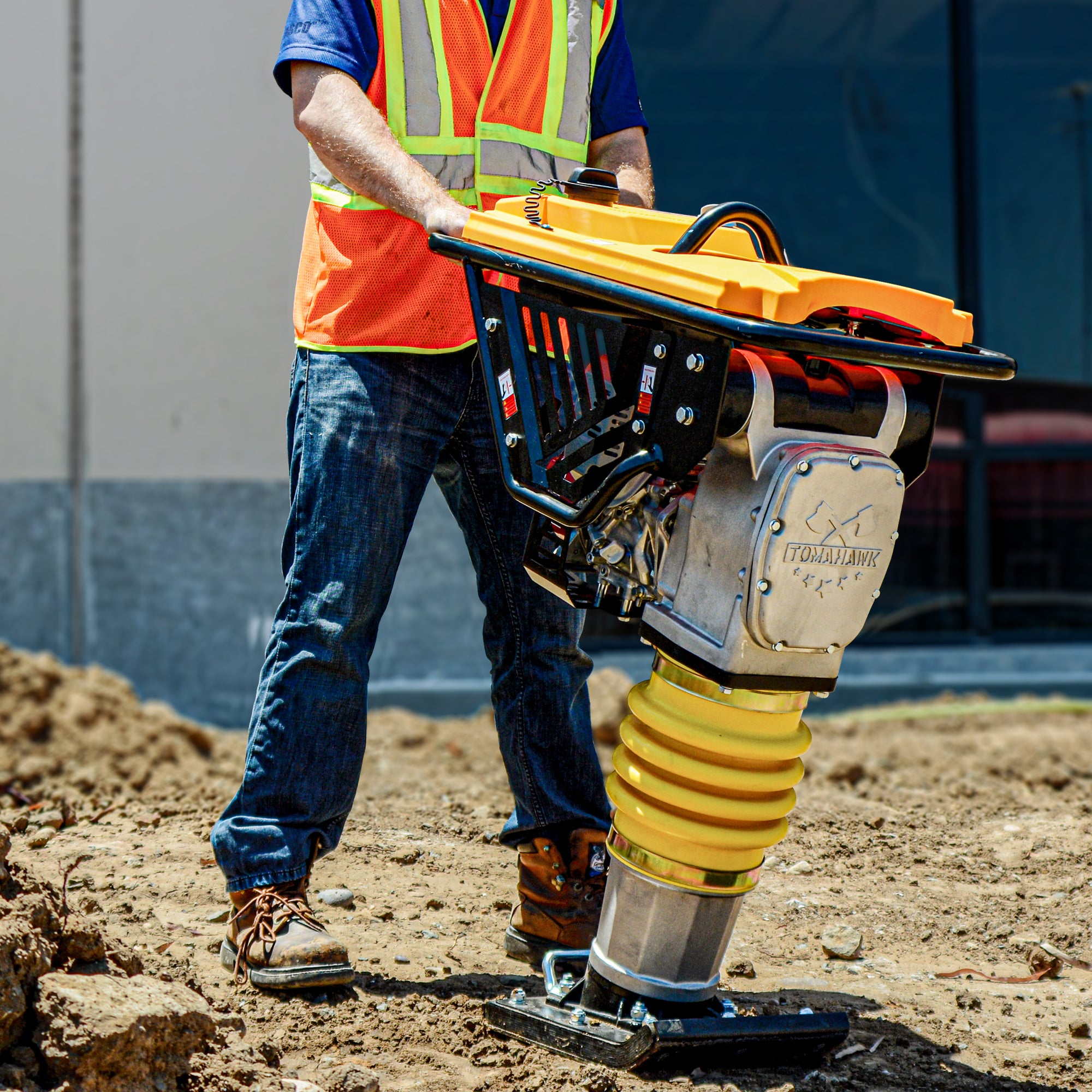
2. Tamping Rammer (Jumping Jack) – Best for Cohesive Soils
A tamping rammer delivers strong, vertical impact force.
-
Uses repetitive “jumping” motion to compact soil
-
Best for clay and cohesive soils
-
Great for tight or confined spaces
Best Uses:
-
Trenches
-
Foundation backfill
-
Pipe installation areas
This equipment is especially useful because it “kneads” dense soils that are harder to compact with vibration alone.
3. Vibratory Roller – Best for Large Areas
A vibratory roller is a heavy-duty machine designed for large-scale projects.
-
Applies both weight and vibration
-
Ideal for large, open surfaces and roadwork Can compact soil to greater depths than smaller equipment
Best Uses:
-
Roads and highways
-
Parking lots
-
Large construction sites
This is the go-to equipment when you need speed and consistency over large areas.
4. Sheep Foot Roller – Best for Clay Soils
A sheep foot roller (or padfoot roller) has protruding “feet” that penetrate and knead soil.
-
Excellent for cohesive soils like clay and silt
-
Compacts from the bottom up
-
Often used in heavy civil construction
Best Uses:
-
Dams
-
Landfills
-
Large embankments
The “kneading” action breaks up clumps and removes air pockets, making it ideal for sticky soils.
5. Hand Tamper – Best for Small Jobs
A hand tamper is a manual tool used for light compaction.
-
Simple, no engine required
-
Uses manual force to compact soil
-
Best for small-scale work
Best Uses:
-
Small landscaping projects
-
Tight spaces
-
Minor repairs
While not powerful, it’s useful for quick fixes or finishing touches.
How to Choose the Right Equipment
Selecting the right compaction equipment depends on two key factors:
1. Soil Type
-
Granular (sand, gravel): Plate compactor or roller
-
Cohesive (clay, silt): Rammer or sheep foot roller
2. Project Size
-
Small areas: Plate compactor or rammer
-
Large areas: Roller or heavy machinery
As a rule of thumb:
-
Use vibration for loose soils
-
Use impact or kneading for dense, sticky soils (SiteOne Landscape Supply)
The best equipment for soil compaction isn’t one-size-fits-all. Each tool serves a specific purpose:
-
Plate compactors – versatile and efficient
-
Tamping rammers – powerful for tight spaces and clay
-
Rollers – ideal for large-scale projects
-
Sheep foot rollers – perfect for heavy, cohesive soils
Choosing the right equipment ensures proper compaction, reduces future settlement issues, and creates a strong foundation for any construction project.