When it comes to building a home or any structure, most people focus on visible elements like concrete, framing, and finishes. But the real strength of any building starts beneath the surface—with the soil. Proper soil compaction is one of the most critical steps in foundation preparation, yet it’s often overlooked.
What Is Soil Compaction?
Soil compaction is the process of compressing soil to remove air pockets and increase its density. This creates a solid, stable base that can support heavy loads without shifting or settling over time.
Without proper compaction, even the strongest foundation materials can fail.
Why Soil Compaction Is Essential for Foundations
1. Prevents Foundation Settlement
Loose or poorly compacted soil will compress unevenly under the weight of a structure.
-
Causes the foundation to sink or shift
-
Leads to cracks in walls and floors
-
Can result in costly structural repairs
Proper compaction ensures the load is evenly distributed, minimizing movement.
2. Increases Load-Bearing Capacity
Compacted soil is stronger and more stable.
-
Can support heavier structures
-
Reduces the risk of structural failure
-
Provides a reliable base for concrete footings
As construction professionals often say:
“If the ground isn’t stable, nothing built on top of it will be either.”
3. Reduces Risk of Cracking in Concrete
Concrete foundations depend on the soil beneath them for support.
-
Weak soil leads to uneven pressure
-
Causes cracks in slabs and foundation walls
-
Can allow moisture infiltration and damage
Proper compaction helps prevent these issues by keeping the base uniform and stable.
4. Improves Drainage and Water Resistance
Compacted soil can help control how water moves around your foundation.
-
Reduces water pooling near the structure
-
Minimizes erosion and soil shifting
-
Helps protect against water damage and flooding
However, compaction must be balanced—overly dense soil can sometimes restrict drainage, so proper engineering is key.
5. Prevents Soil Shifting and Erosion
Loose soil is more likely to move due to:
-
Rainfall
-
Wind
-
Freeze-thaw cycles
Compacted soil resists these forces, keeping your foundation secure over time.
How Soil Compaction Is Done for Foundations
Proper compaction involves:
-
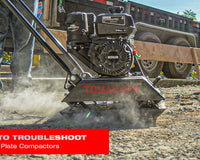
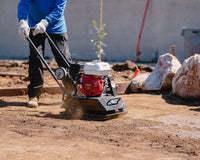
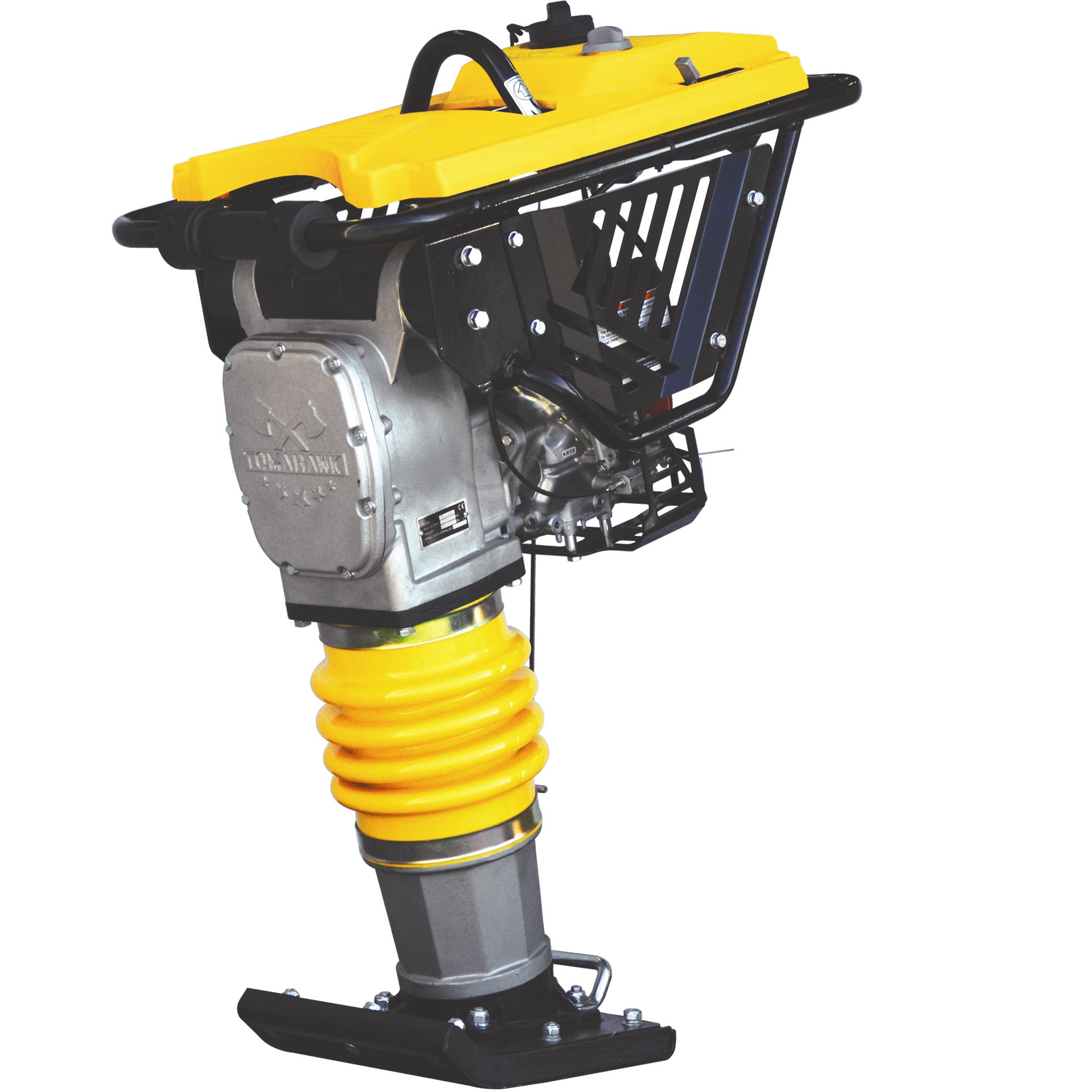
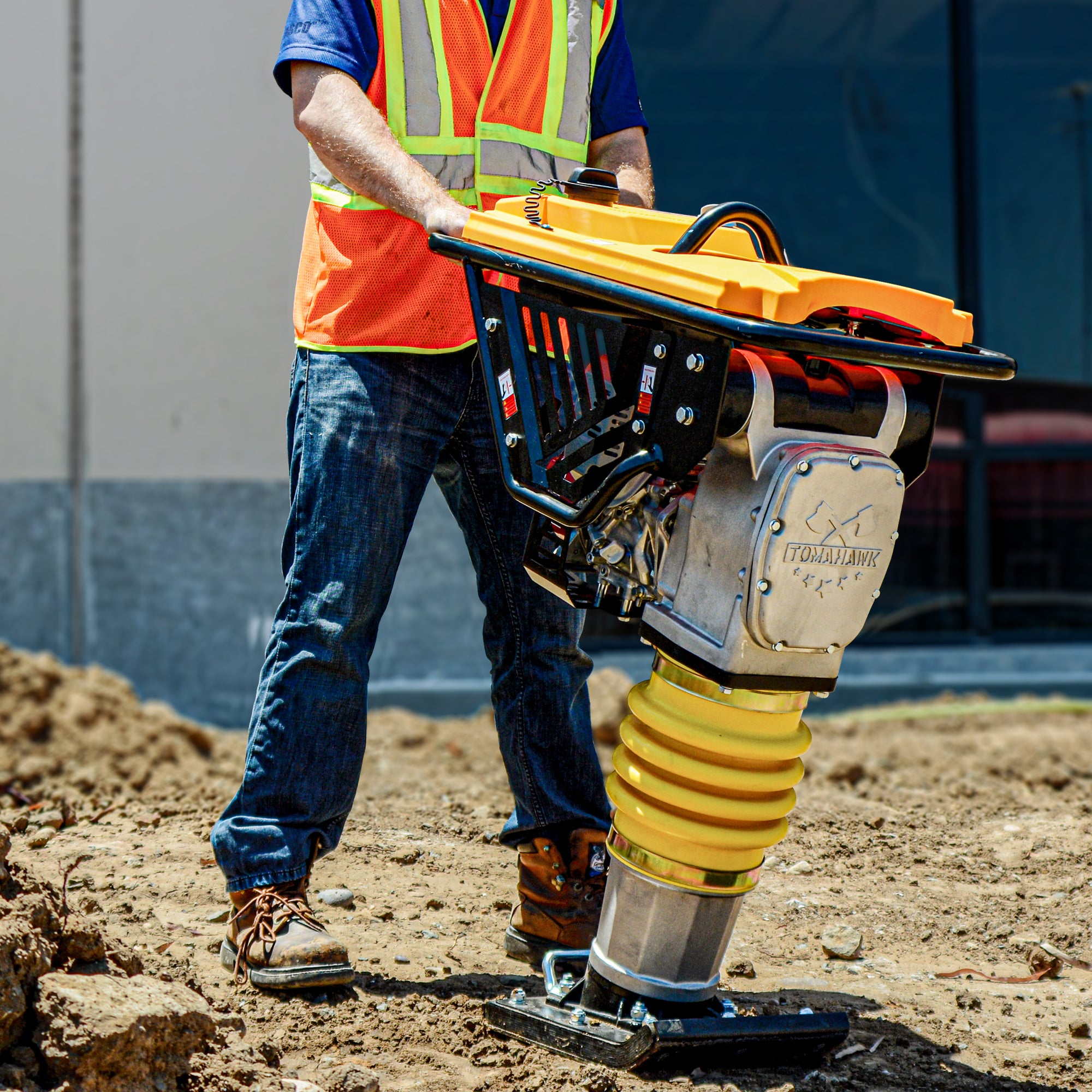
Using equipment like plate compactors, rollers, or rammers
-
Compacting soil in layers (called “lifts”)
-
Testing each layer to ensure proper density
-
Adjusting moisture levels for optimal results
What Happens If Soil Isn’t Properly Compacted?
Skipping or rushing soil compaction can lead to serious problems:
-
Uneven foundation settlement
-
Structural cracks in walls and floors
-
Sloping or sinking floors
-
Water intrusion and drainage issues
-
Expensive foundation repairs
In severe cases, it can compromise the entire structure.
Real-World Impact
Even small errors in compaction can have long-term consequences. A foundation that looks fine initially may begin to show signs of failure years later due to inadequate soil preparation.
That’s why builders and engineers emphasize:
“You can’t see the soil once the project is complete, but it’s doing the most important work of all.”
Soil compaction is the unsung hero of construction. It may not be visible, but it plays a critical role in ensuring a foundation is strong, stable, and long-lasting.
Proper soil compaction:
-
Prevents settlement
-
Strengthens load support
-
Reduces cracking and damage
-
Protects your investment
If you want a durable structure, it all starts with the ground beneath it.