Before any structure is built—whether it’s a home, road, or commercial building—the ground beneath it must be properly prepared. One of the most important steps in that process is soil compaction. But what exactly does it mean, and why is it so critical?
What Is Soil Compaction?
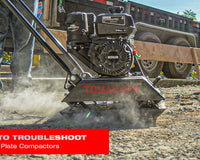
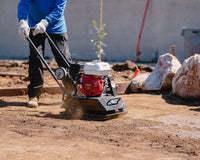
Soil compaction is the process of increasing the density of soil by removing air pockets and reducing voids. This is typically done using mechanical equipment such as rollers, plate compactors, or rammers.
The goal is to create a stable, solid foundation that can support structures without shifting or settling over time.
Why Soil Compaction Matters
Compacting soil isn’t just a formality—it’s essential for structural integrity.
Key benefits include:
-
Improved stability: Prevents sinking or shifting
-
Increased load-bearing capacity: Supports buildings and heavy structures
-
Reduced water infiltration: Minimizes erosion and water damage
-
Prevents settlement: Avoids cracks in foundations, concrete slabs, and roads
As construction experts often emphasize:
“The strength of any structure depends on what’s underneath it. Proper soil compaction is the foundation of a successful build.”
How Soil Compaction Works
The process involves applying force to soil particles, which pushes them closer together and reduces the space between them.
-
Air is squeezed out
-
Soil particles lock together more tightly
-
Density and strength increase
Different types of soil require different compaction methods and moisture levels to achieve optimal results.
Types of Soil Used in Construction
Not all soil behaves the same way when compacted:
1. Cohesive Soils (Clay)
-
Stick together easily
-
Retain moisture
-
Require careful compaction to avoid over-saturation
2. Granular Soils (Sand, Gravel)
-
Drain water easily
-
Compact well with vibration
-
Often preferred for foundations and roads
3. Mixed Soils (Silt)
-
Less predictable behavior
-
Requires careful testing and compaction control
Methods of Soil Compaction
Different tools and techniques are used depending on the project:
-
Vibratory rollers: Best for large areas like roads
-
Plate compactors: Used for small areas and trenches
-
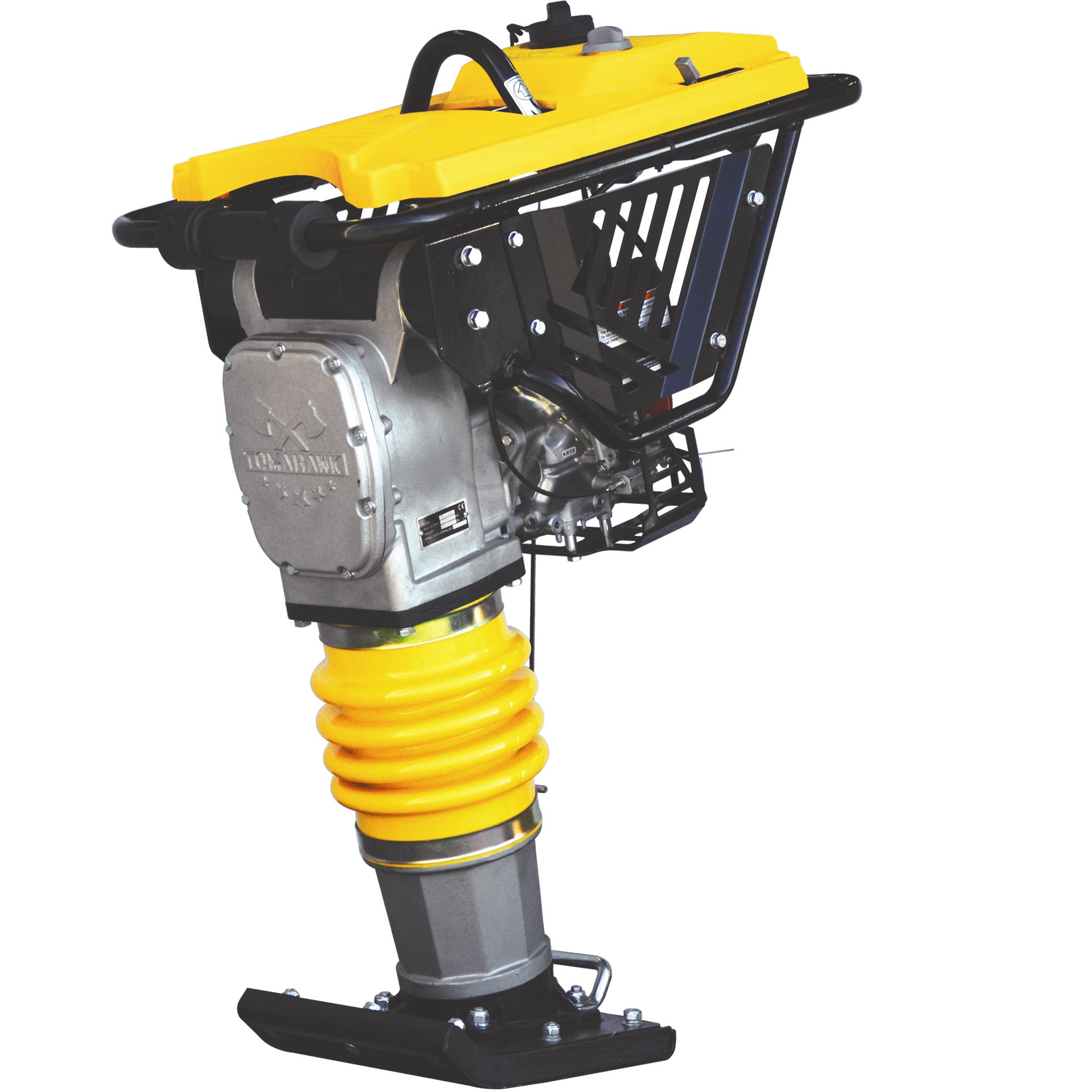
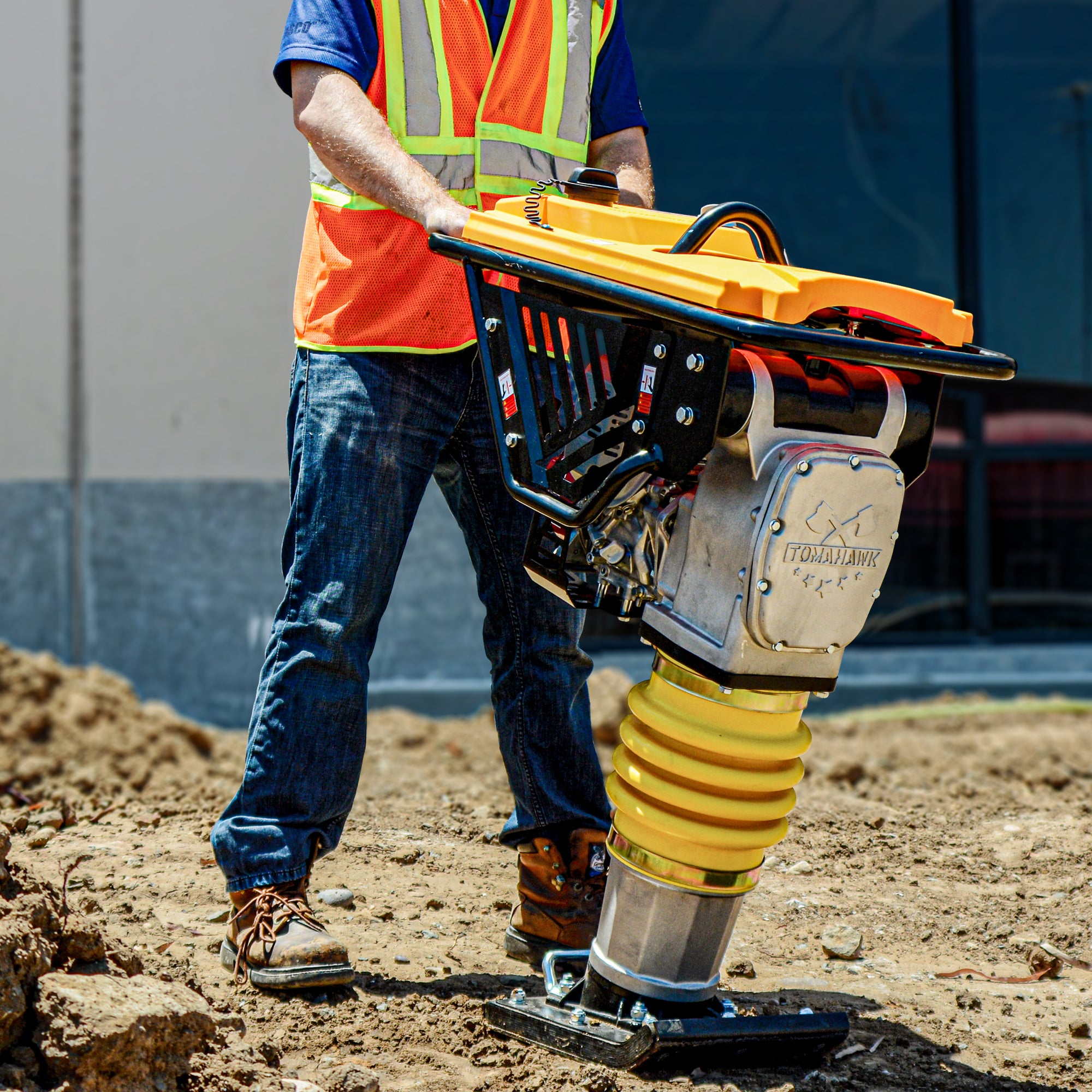
Rammers (jumping jacks): Ideal for confined spaces
-
Static rollers: Apply weight without vibration
Role of Moisture in Compaction
Moisture plays a key role in soil compaction:
-
Too dry → Soil particles don’t bind well
-
Too wet → Soil becomes unstable and weak
The ideal condition is known as “optimum moisture content,” where soil compacts most efficiently.
What Happens Without Proper Compaction?
Skipping or rushing soil compaction can lead to serious problems:
-
Foundation cracks
-
Uneven settling of structures
-
Water pooling and drainage issues
-
Pavement failure (cracks, potholes)
-
Costly repairs down the line
Where Soil Compaction Is Used
Soil compaction is required in nearly all construction projects:
-
Building foundations
-
Roadways and highways
-
Sidewalks and driveways
-
Retaining walls
-
Landscaping and grading
Soil compaction is one of the most critical—but often overlooked—steps in construction. By creating a dense, stable base, it ensures that everything built on top of it remains strong and durable. Without proper soil compaction, even the best construction materials and designs can fail over time. It’s the hidden foundation that determines the success of any structure.