Bed bugs present a unique challenge for property managers. Unlike isolated single-family homes, multi-unit buildings experience rapid spread, recurring infestations, and high turnover—making consistent control strategies essential. When one tenant reports bed bugs, neighboring units may already be affected. This makes fast, structured action critical for protecting residents, preventing property damage, and maintaining building reputation.
Many property managers search for tools such as a bed bug fogger for apartments or wide-area bed bug treatment solutions because they need efficiency, reliability, and repeatability. With the right approach and equipment, infestations can be contained quickly before spreading through the building.
Why Bed Bugs Spread Quickly in Multi-Unit Buildings
Bed bugs travel easily through:
• wall voids
• electrical outlets
• shared laundry rooms
• hallways and common areas
• furniture carried in and out of units
They can spread even when only one tenant appears to have a problem. Because of this, property managers need a structured plan that includes unit inspections, consistent communication, and the right cleaning and treatment tools.
Step 1: Inspect Reported Units and Adjacent Units Immediately
When a tenant reports bed bugs, the inspection should cover:
• the affected unit
• units on both sides
• units above and below
• shared spaces the tenant recently accessed
Bed bugs can move quickly between shared walls, so limiting inspection to the tenant’s unit may allow the infestation to grow unnoticed. Property managers often rely on trained maintenance staff or pest control professionals, but basic inspection steps can begin right away to determine the scale of the issue.
Step 2: Require Decluttering and Hot Washing Before Treatment
Before any fogging or chemical treatments, tenants should prepare their units by:
• clearing clutter from floors and under beds
• bagging personal items
• washing bedding and clothing on high heat
• drying items for at least 30 minutes on high
Providing tenants with a clear preparation checklist helps minimize delays. Many property managers supply heat-safe bags for transporting laundry.
A cordless backpack vacuum like the Tomahawk 36V Battery Powered Backpack Vacuum allows building staff to help clear debris around baseboards, bed frames, and cracks before professional or in-house treatment begins.
Step 3: Deep Vacuuming to Reduce Populations Across Multiple Units
Vacuuming is a critical step in multi-unit buildings because it helps reduce active bed bugs before applying sprays or foggers. Maintenance staff can quickly cover multiple rooms using a lightweight vacuum to remove:
• eggs
• shed skins
• live bugs
• dust that blocks insecticide penetration
Vacuuming should focus on mattresses, sofa seams, furniture joints, carpet edges, and along baseboards.
Step 4: Use Heat and Steam to Treat Furniture and Hard-to-Access Areas
Portable steamers are highly effective for killing bed bugs on:
• bed frames
• upholstered furniture
• cracks and seams
• carpet edges
Steam is especially valuable for apartment turnovers when old furniture is removed or when preparing a unit for a new tenant. Because temperatures above 120°F kill bed bugs instantly, steam treatment provides fast results without excessive downtime.
Step 5: Use a Bed Bug Fogger for Apartments and Multi-Unit Coverage
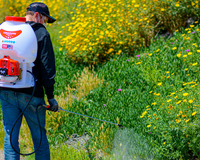
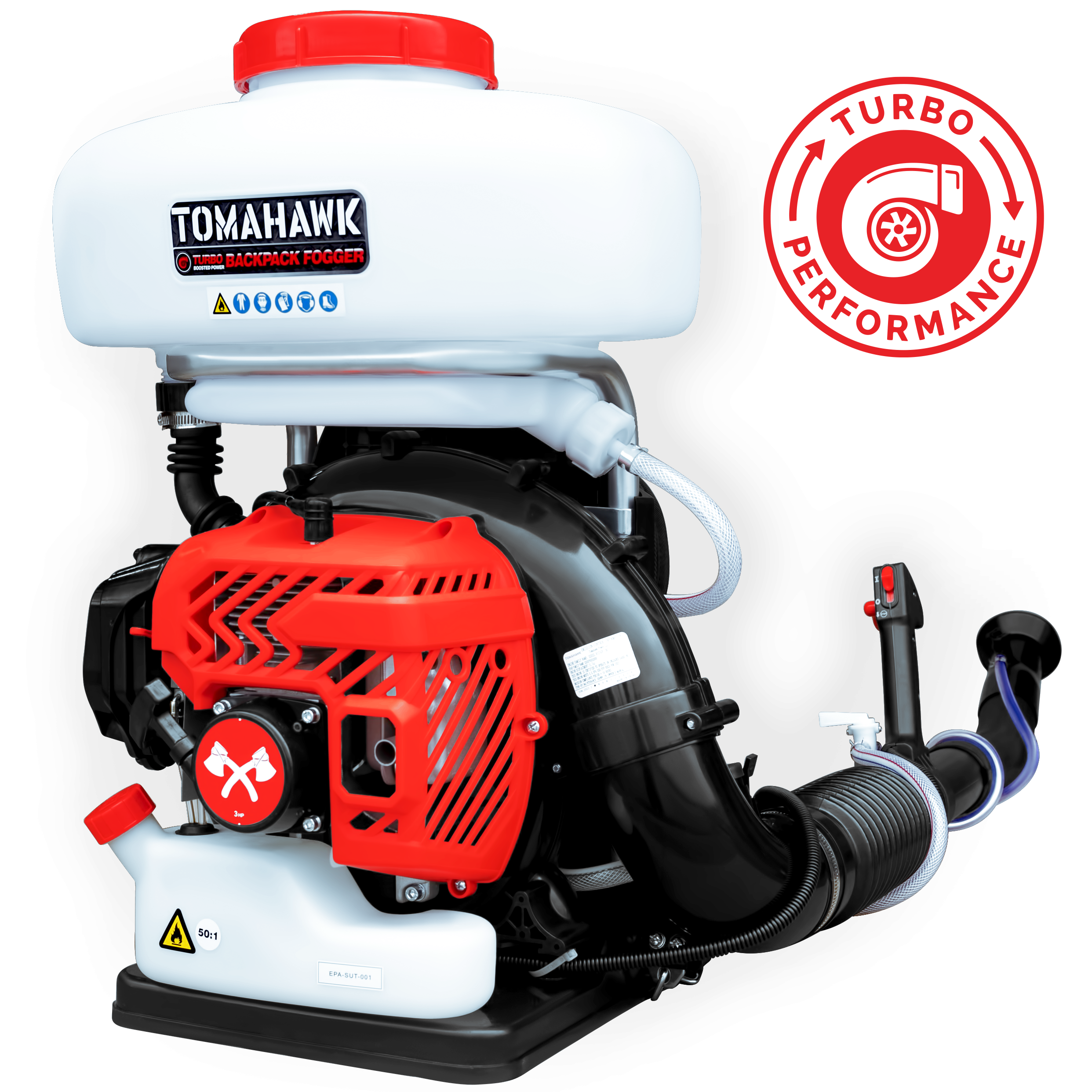
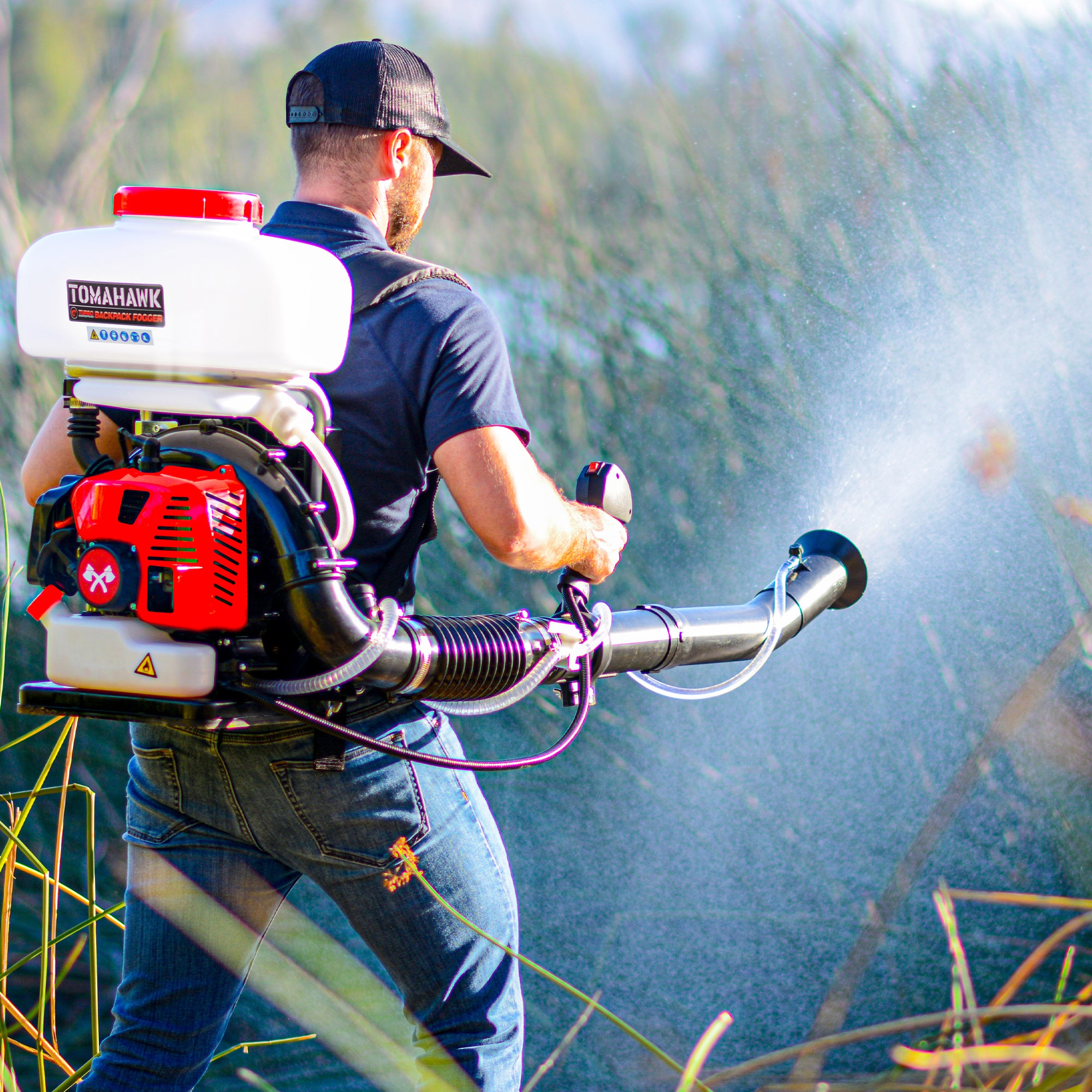
Foggers play a major role in wide-area bed bug treatment for rental properties. A ULV cold fogger disperses a fine mist evenly across the room, penetrating deep into cracks, wall gaps, and fabric folds.
Tomahawk Power foggers are often used by building maintenance teams or contracted technicians because they allow for:
• fast coverage of multiple units
• consistent application of insecticides
• deeper penetration into hard-to-reach areas
• efficient treatment of common rooms or hallways
While a fogger should not replace detailed treatment, it strengthens coverage by delivering insecticides into areas traditional sprays cannot reach. This is especially important in multi-unit structures where bed bugs may be hiding between walls.
Step 6: Apply Residual Sprays to Prevent Re-Infestation
After fogging, residual insecticides help protect boundaries between treated units. Maintenance teams or pest control contractors can apply residual products along:
• baseboards
• bed frames
• electrical outlets
• wall junctions
• entry points between units
Residual treatments help reduce movement between apartments and prevent recurring outbreaks, a major concern for property managers.
Step 7: Repair, Seal, and Monitor Continuously
Building maintenance plays a powerful preventive role. After bed bug treatment, repairing cracks, resealing trim, and tightening outlet covers reduce nesting spots. Property managers can also enforce regular inspections during unit turnovers and conduct scheduled building-wide checks.
Tools like Tomahawk Power foggers and cordless vacuums support ongoing maintenance not just during infestations but as part of preventive cleanliness protocols across the property.
How Property Managers Can Reduce Long-Term Costs
Recurring infestations are costly—lost rent, repairs, tenant dissatisfaction, and legal risks. The best long-term strategy combines:
• consistent tenant education
• structured treatment protocols
• fast reporting systems
• routine use of equipment like foggers and vacuums
• scheduled inspections during move-ins and move-outs
A multi-layered approach ensures that even if bed bugs enter a building, they are contained quickly before spreading to neighboring units.