Bed bugs can overwhelm a property quickly, especially in environments with multiple occupants, high turnover, or untreated neighboring units. For pest control professionals, a passive or slow approach often leads to spreading infestations, client dissatisfaction, and increased treatment costs. Severe bed bug activity demands aggressive, multi-layered tactics that combine physical removal, targeted chemical applications, heat, and high-penetration fogging technology.
Professionals equipped with advanced tools such as ULV foggers, commercial vacuums, and precision sprayers can eliminate infestations significantly faster than traditional DIY efforts. Below is an assertive, results-focused framework built specifically for pest control teams and aggressive remediation workflows.
Why Rapid, Aggressive Treatment Is Critical
Bed bugs reproduce quickly, hide deep inside structural components, and can survive weeks without feeding. In large buildings, they move through wall voids, baseboards, electrical outlets, and shared utilities. This makes one-room spot treatment ineffective for severe outbreaks.
A rapid, equipment-driven strategy helps:
• prevent building-wide spread
• reduce the number of return visits
• protect contractor reputation
• eliminate high-risk hiding zones early
• ensure chemical products penetrate inaccessible areas
Aggressive intervention is not just recommended—it is required in environments with confirmed multi-room or multi-unit activity.
Step 1: Immediate Knockdown via High-Suction Vacuuming
The first step in any professional response is physically removing as many bugs, eggs, and debris as possible. This accelerates chemical effectiveness and improves overall penetration.
Commercial backpack vacuums, such as the Tomahawk 36V Battery Powered Backpack Vacuum, allow technicians to move through multiple rooms rapidly while maintaining high suction strength. Technicians should target:
• mattress seams
• piping and tufts
• furniture joints
• under couch cushions
• carpet edges
• baseboard gaps
• switch plates and outlet areas
A high-volume vacuum pass sets the stage for lethal follow-up treatments.
Step 2: Apply High-Temperature Steam or Direct Heat
Heat is one of the most powerful tools available to professionals. Temperatures above 120°F kill bed bugs instantly, including eggs that chemical sprays may not reach. Steam equipment can push lethal temperatures into:
• bed frames
• box springs
• cracks behind furniture
• flooring transitions
• upholstered surfaces
Professional-grade steam systems and heat applicators reduce the need for excessive chemical load while delivering immediate knockdown results.
Step 3: Deploy ULV Foggers for Deep Penetration Across Rooms
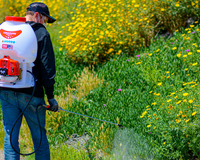
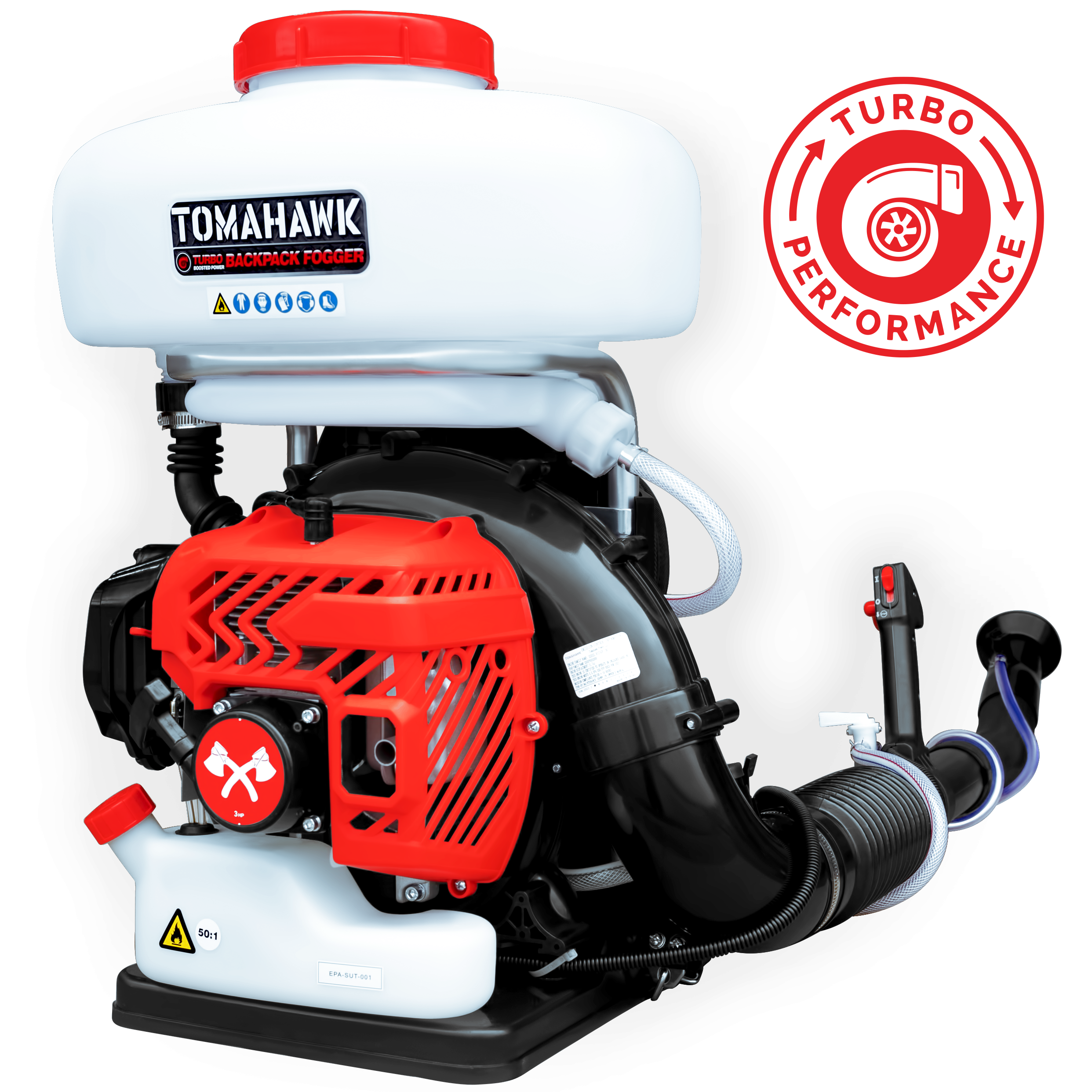
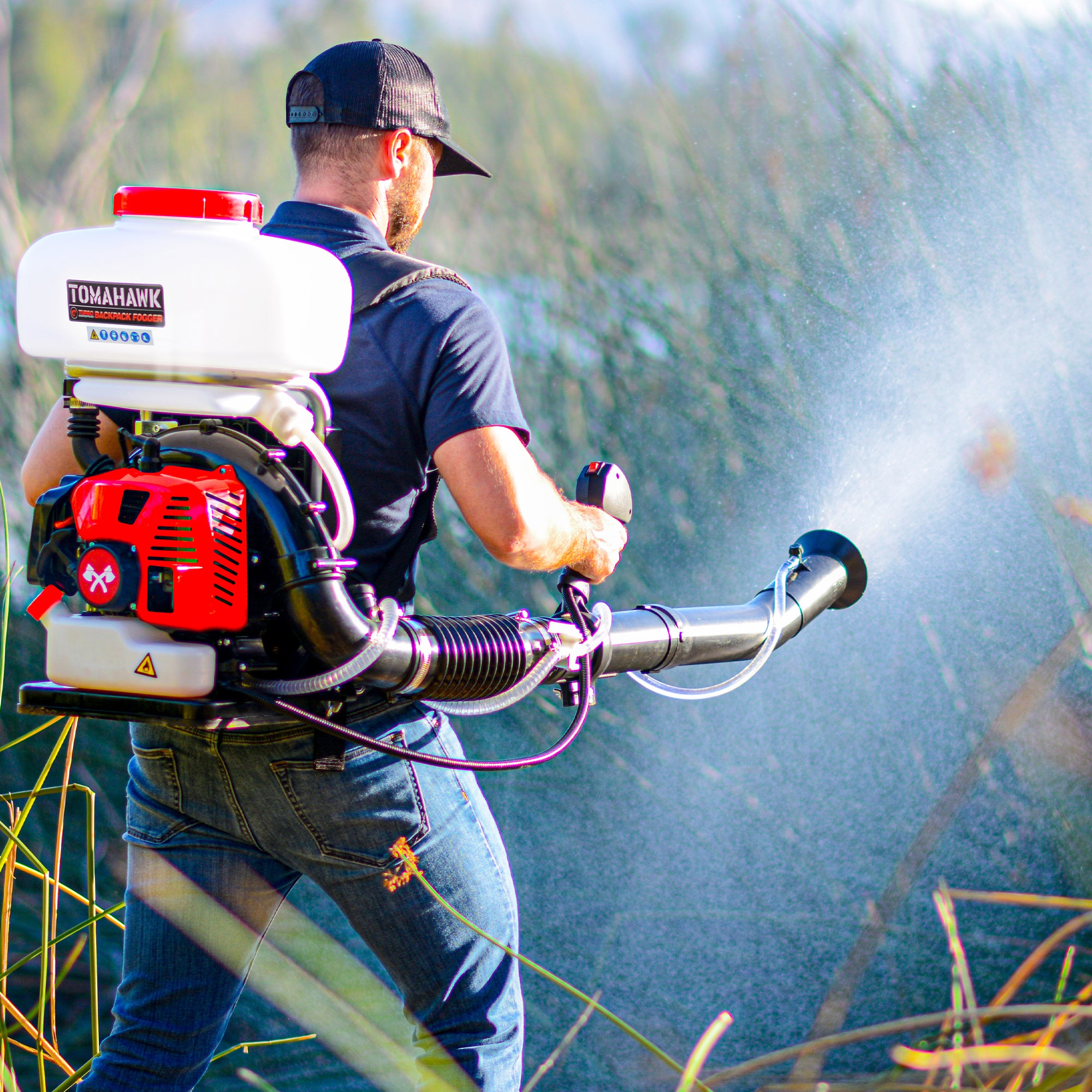
For aggressive pest control applications, a bed bug fogger is not optional—it is a necessity for infiltration into inaccessible voids. ULV cold foggers disperse ultra-fine particles that travel deep into:
• wall gaps
• molding and baseboards
• carpet fibers
• box springs and frame cavities
• dresser interiors
• multi-room ventilation zones
Tomahawk Power ULV foggers provide wide-area coverage that technicians depend on during large-scale remediation or multi-unit treatments. These tools accelerate application time and enhance chemical performance during high-pressure jobs.
Foggers should be used after vacuuming and steaming but before residual applications for maximum effect.
Step 4: Precision Chemical Application to Structural Vulnerabilities
After fogging, direct chemical treatments provide long-lasting protection. Professionals should use contact sprays and insect growth regulators on:
• bed frame joints and hardware
• baseboards and quarter-round
• headboards mounted to walls
• wall voids exposed by outlet covers
• floor-to-wall transitions
Residual insecticides should also be applied to create a persistent barrier that stops surviving bed bugs from escaping or re-infesting the area.
Step 5: Isolate, Seal, and Repair Compromised Zones
In aggressive workflows, structural corrections are part of the extermination process. Pest control technicians or partnered contractors may need to:
• seal cracks along walls or floors
• repair damaged drywall
• caulk trim where bed bugs were nesting
• replace contaminated flooring transitions
• isolate infested furniture
These repairs eliminate harborage zones and reduce the risk of recurrence.
Step 6: Conduct Follow-Up Visits With Monitoring and Re-Fogging
For severe infestations, follow-up visits are mandatory. Professionals should return within 7 to 14 days to evaluate activity, reapply residuals, and re-fog areas that show signs of movement. For multi-unit buildings, a structured monitoring plan ensures long-term suppression.
Professionals equipped with commercial-grade foggers and vacuums can complete these follow-up visits faster while maintaining a high kill rate.
The Power of an Aggressive, Equipment-Driven Strategy
A strong bed bug extermination protocol must be fast, invasive, and relentless. In high-risk environments, manual methods alone cannot outpace bed bug reproduction. Combining heat, vacuum extraction, ULV fogging, and targeted chemical treatments produces the fastest and most reliable elimination results.
Tomahawk Power’s foggers and commercial vacuums give pest control teams the ability to execute aggressive, whole-structure treatments efficiently—making them essential tools for modern exterminators.