Exterminators face increasing pressure to deliver fast, high-impact bed bug elimination in environments ranging from single-family homes to multi-unit buildings, hotels, shelters, and high-turnover rentals. These infestations often require a more aggressive, equipment-driven approach than standard residential treatments. Bed bugs adapt quickly, hide within structural voids, and spread silently, demanding precision, speed, and complete coverage during every service visit.
For professional exterminators, combining high-suction vacuuming, heat, steam, ULV fogging, and targeted residual insecticides remains the most effective strategy. Below is a high-level framework designed specifically for pest control professionals who need consistent, repeatable results for severe or stubborn infestations.
The Real Challenge: Bed Bugs Hidden Deep Within Structures
Exterminators understand that bed bugs rarely remain confined to mattresses. They infiltrate cracks in bed frames, gaps in baseboards, electrical outlets, wall voids, and multi-room ducting. Their movement patterns are influenced by heat sources, CO₂ emissions, and host activity, making them difficult to track and contain.
Because of this mobility, exterminators must treat not only visible infestation zones but also potential migration paths. Effective control requires penetrating treatments that reach structural hiding points, not just surface-level areas.
Step 1: Rapid Extraction With Commercial Vacuum Systems
Professional vacuum extraction is the foundation of all high-level bed bug remediation. Removing eggs, nymphs, and adult bugs before chemical or heat treatments increases product effectiveness and reduces treatment time.
A commercial-grade backpack vacuum such as the Tomahawk 36V Battery Powered Backpack Vacuum allows technicians to move quickly through units, treating vertical surfaces, mattress edges, and baseboard cracks without losing suction efficiency. Areas of focus include:
• mattress seams, tufts, and stitching
• headboard and footboard joints
• wood slats and hardware points
• carpet edges and tack strips
• along baseboards and molding
• behind outlet covers and switch plates
Clearing physical debris ensures deeper penetration of foggers, residual sprays, and steam.
Step 2: Use Heat and Steam for Immediate Egg and Nymph Kill
Heat remains one of the most reliable tools for exterminators. Professional steam systems deliver temperatures exceeding 200°F directly into seams, cracks, and upholstered surfaces. This level of heat kills all life stages on contact, including eggs that resist chemical sprays.
Steam is especially valuable for:
• wooden bed frames
• box springs
• fabric furniture
• carpet seams
• closet shelving
• dresser interiors
For exterminators handling large square footage, steam serves as a non-chemical knockdown stage that prepares units for fogging or residual treatments.
Step 3: Deploy ULV Foggers for Full-Volume Penetration
ULV cold fogging is essential for aggressive extermination workflows. Foggers disperse ultra-fine droplets that can reach compartments inaccessible to manual sprays, including:
• wall voids
• deep furniture joints
• cracks in baseboards
• folds in mattresses and sofas
• ventilation paths
• gaps behind cabinetry
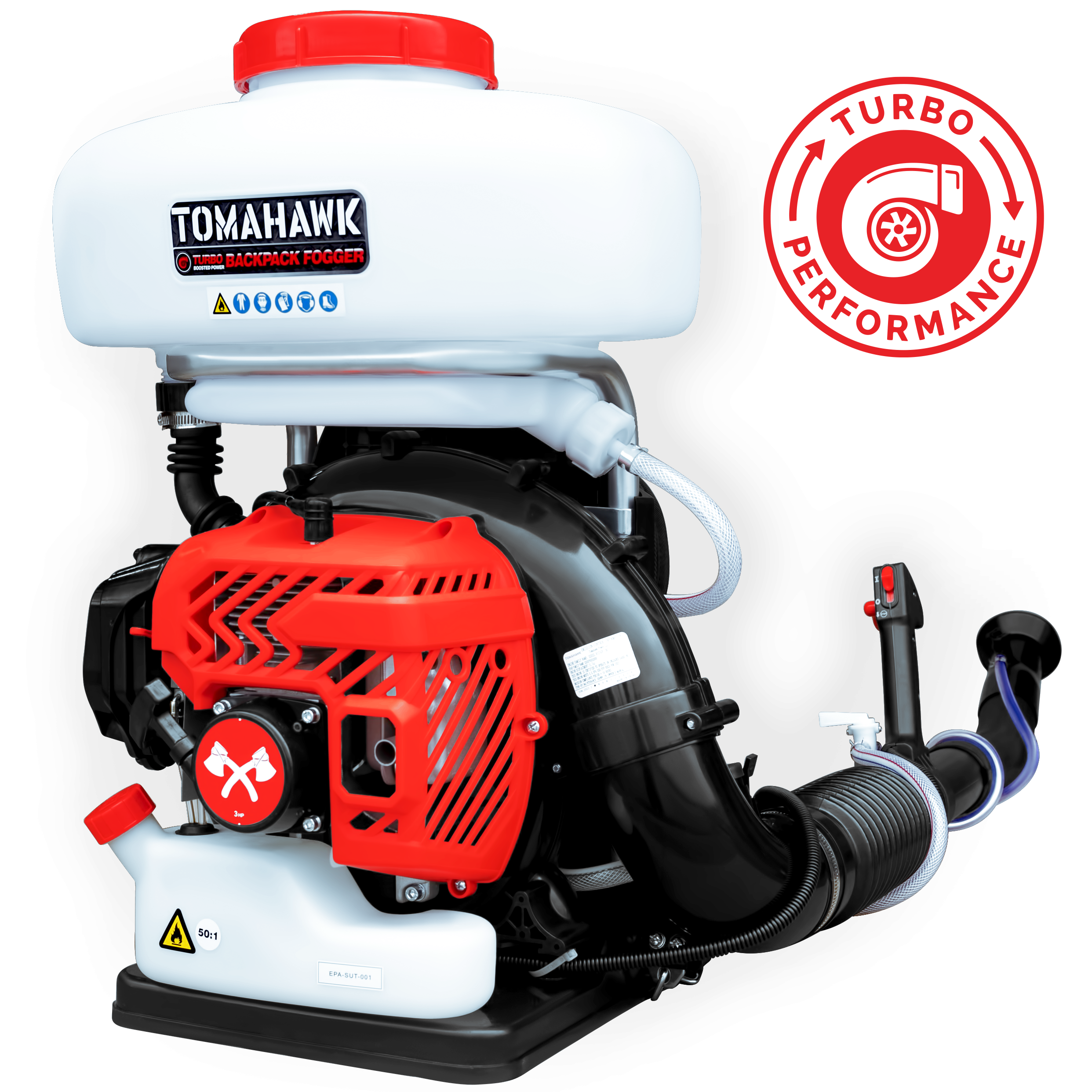
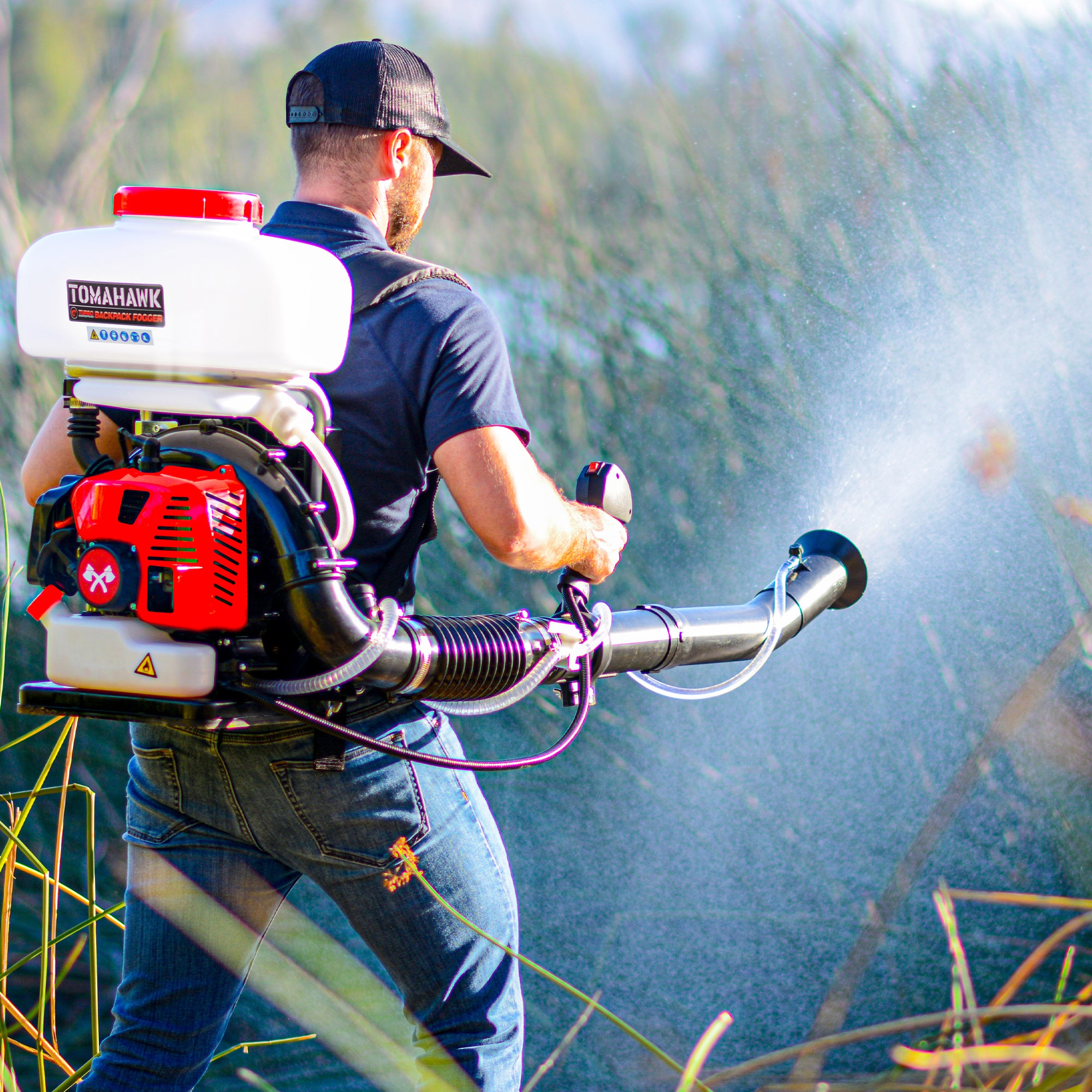
Tomahawk Power ULV foggers are frequently used in professional pest control due to their reliability, consistent particle size, and ability to treat entire rooms in minutes. Fogging enhances chemical distribution, providing uniform coverage during high-pressure treatments.
For severe infestations, exterminators commonly fog multiple rooms or entire units before performing detailed residual applications.
Step 4: Perform Targeted Chemical Treatments and Residual Applications
Once the fogger has dispersed insecticide throughout the space, exterminators follow with precision applications of contact and residual products. This creates immediate kill on exposed bugs and establishes long-term barriers that prevent movement or reinfestation.
Key structural areas include:
• bed frame joints and hardware points
• baseboards and quarter-round
• electrical outlets and switch plate areas
• cracks along flooring transitions
• furniture undersides and hollow sections
• door frames and trim
Residual insecticides ensure protection for weeks, reducing callbacks and tenant complaints.
Step 5: Seal Entry Points and Remove Structural Harborage
Professional exterminators must treat beyond chemical applications. Eliminating long-term harborage is part of the job. This includes:
• sealing cracks along walls
• repairing damaged trim
• closing wall voids behind baseboards
• removing infested furniture when necessary
• advising property owners on future-proofing
Many persistent infestations come from structural flaws, not treatment errors. Identifying these issues is critical for long-term elimination.
Step 6: Mandatory Follow-Up Visits and Monitoring
Professional exterminators understand that bed bug elimination is rarely a single-visit process. Quality service includes scheduled return visits to:
• reassess infestation zones
• reapply residual treatments
• perform additional fogging if needed
• monitor tenant or occupant compliance
• ensure no migration to new rooms
High-survival infestations or units with non-compliant occupants may require additional rounds of steam and ULV fogging.
Why Exterminators Benefit From an Aggressive, Equipment-Based Strategy
A serious infestation requires more than handheld sprayers or tenant preparation. The most successful extermination programs invest in:
• commercial vacuums
• ULV foggers
• high-output steamers
• structural sealing tools
• advanced residual insecticides
Tomahawk Power’s foggers and vacuums are widely used in the pest control industry because they accelerate treatment speed, reduce physical strain, and deliver deeper penetration than manual methods alone.
By combining equipment-driven workflows with targeted chemical applications, exterminators can achieve faster knockdown, stronger long-term prevention, and higher customer satisfaction.