Bed bugs are one of the most frustrating pests to deal with in a home. They spread quickly, hide in tight spaces, and can cause sleepless nights for families. Many homeowners start searching for terms like bed bug fogger for home or how to get rid of bed bugs fast because they need fast, reliable solutions without immediately calling a professional. While bed bugs can be stubborn, a well-planned approach combining cleaning, heat, and fogging can significantly reduce or eliminate an infestation.
The steps below offer a homeowner-friendly guide for treating bed bugs effectively using DIY methods and professional-grade tools. Products like foggers, steamers, and high-suction vacuums can make the process faster and more thorough.
Understanding How Bed Bugs Spread in Homes
Bed bugs travel easily on clothing, luggage, furniture, and bedding. Once inside, they hide in mattress seams, bed frames, nightstands, carpet edges, and even behind wall plates. Because they rarely come out during the day, early detection is difficult. Homeowners often spot signs such as tiny bites, blood specks on sheets, or small black stains before seeing the insects themselves.
Knowing the most common hiding spots helps ensure your treatment reaches every area where bed bugs may be nesting.
Step 1: Start With Hot Washing and Decluttering
One of the fastest ways to kill bed bugs at home is with high heat. Hot water and dryer cycles above 120°F can eliminate adults and eggs. Begin by removing bedding, blankets, pillows, clothing, and fabric items from the affected rooms. Wash and dry them on the hottest cycles they can safely tolerate.
Decluttering the room helps expose hiding spots. Reduce items under beds, around furniture, or along walls so that cleaning, fogging, and steam treatments can reach deep into cracks and crevices.
Using a cordless backpack vacuum such as the Tomahawk 36V Battery Powered Backpack Vacuum makes it easier to maneuver around the room and remove dust, debris, and eggs effectively.
Step 2: Deep Vacuuming to Remove Bugs and Eggs
Vacuuming is essential in any DIY bed bug treatment plan. Focus on the areas where insects typically hide or lay eggs:
• Mattress seams and buttons
• Box springs and bed frames
• Edges of carpeting
• Upholstered furniture
• Baseboards and cracks
A HEPA-filter vacuum helps trap small particles and prevents them from being released back into the home. Immediately after vacuuming, dispose of the vacuum bag outside or rinse canisters with hot soapy water.
For larger homes or multiple rooms, a lightweight battery-powered vacuum helps reduce the time and effort required during this stage.
Step 3: Use Heat and Steam to Kill Hidden Bed Bugs
Steam is one of the best ways to kill bed bugs hiding deep inside mattresses, headboards, and furniture. Temperatures above 120°F can eliminate all stages of bed bugs, including eggs, which are resistant to many chemical products.
Homeowners can use:
• A handheld steamer
• A garment steamer for small fabrics
• A steam wand for cracks and tight corners
Move slowly across surfaces so the steam has enough time to penetrate. After steaming, vacuum again to collect debris left behind.
Heat is often considered the best way to kill bed bugs at home because it offers fast results without harsh chemicals.
Step 4: Use a Bed Bug Fogger for Home Treatment
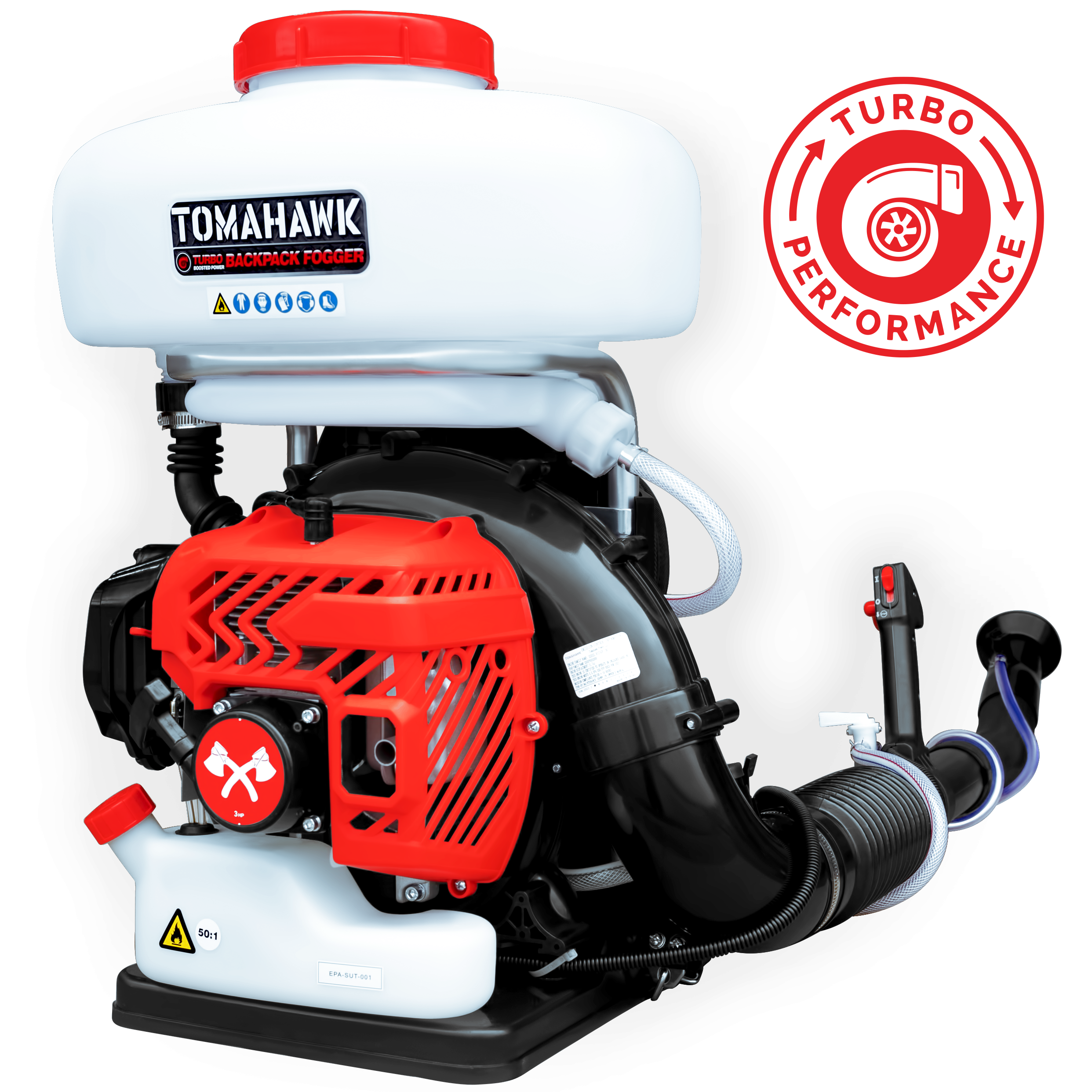
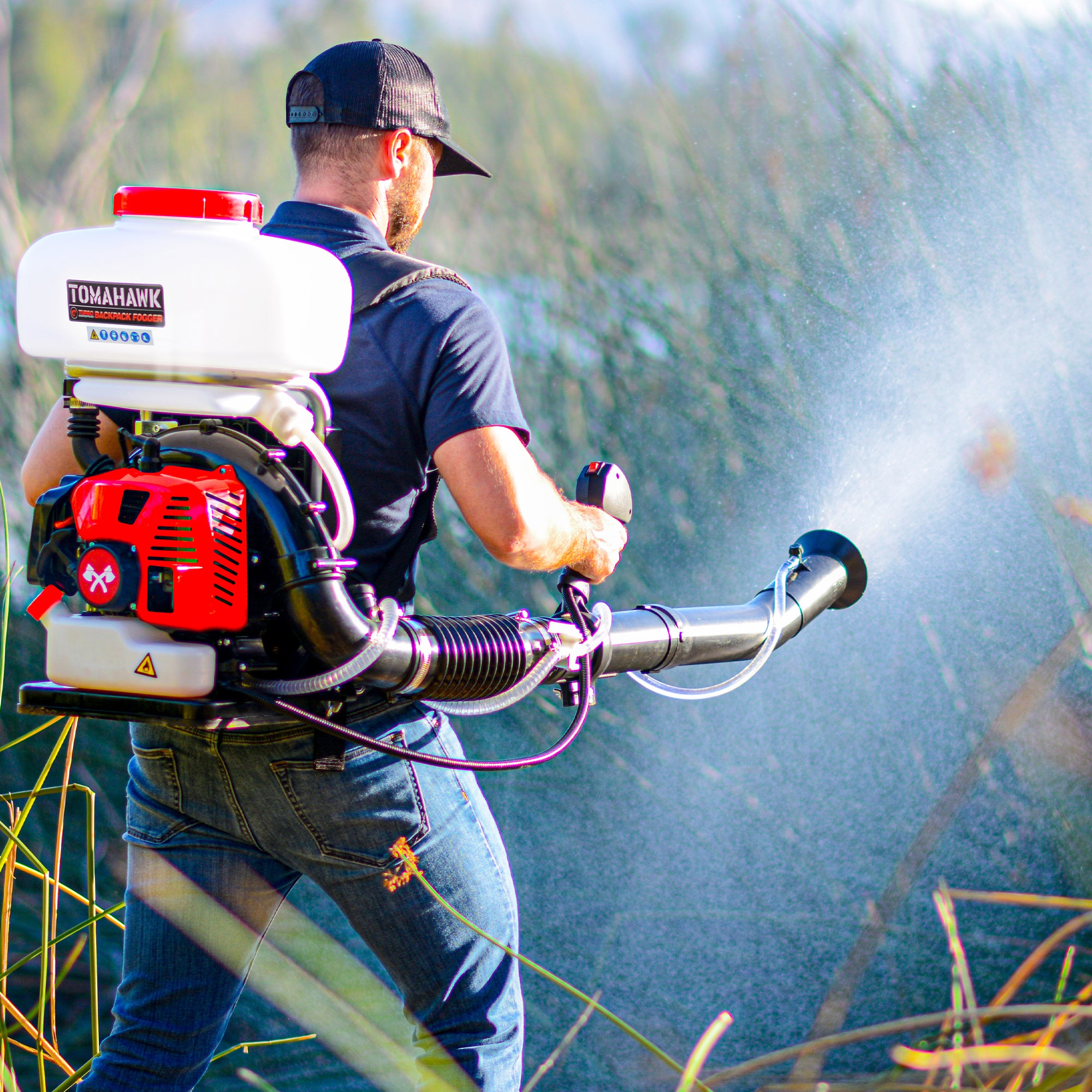
A bed bug fogger for home use can be an effective part of a broader treatment plan, especially when bed bugs may be hiding in areas that are hard to reach with sprays or steam. ULV cold foggers disperse a fine mist of approved insecticides throughout the room, helping the treatment reach cracks, fabric folds, and structural gaps.
Tomahawk Power offers ULV foggers that provide even coverage and are commonly used by homeowners and property managers for wide-area indoor treatments. Foggers help make sure insecticides settle across the entire room, adding an extra layer of protection.
Foggers should always be used according to the product label, and the room must remain empty until it is safe to re-enter.
Step 5: Apply Contact Sprays and Residual Insecticides
After fogging, direct contact sprays help target the most common hiding spots:
• Bed frames and slats
• Baseboards
• Furniture joints
• Mattress edges
• Cracks along walls
Residual insecticides help prevent bed bugs from returning by creating a barrier that stays active for weeks. These are especially useful in older homes or multi-unit buildings where bed bugs may travel between rooms.
Always select products specifically labeled for bed bugs and follow instructions carefully to ensure safety and effectiveness.
Step 6: Repair, Maintain, and Monitor Regularly
Bed bug treatment doesn’t end after spraying or fogging. Ongoing monitoring helps catch any surviving insects early. Homeowners can:
• Install mattress encasements
• Reduce clutter around sleeping areas
• Seal cracks along baseboards and walls
• Vacuum frequently using a high-suction machine
• Inspect beds weekly
Restoration work such as sealing wall gaps or replacing damaged trim can prevent future infestations. Tools like Tomahawk Power foggers and vacuums can also support long-term home maintenance.
The Best Way to Kill Bed Bugs at Home Is a Combined Approach
For homeowners searching for how to get rid of bed bugs fast or looking for the best DIY bed bug treatment, combining heat, vacuuming, fogging, and targeted sprays provides the strongest results. While severe infestations may require professional help, many households can successfully eliminate early or moderate infestations with the right equipment and consistent follow-through.