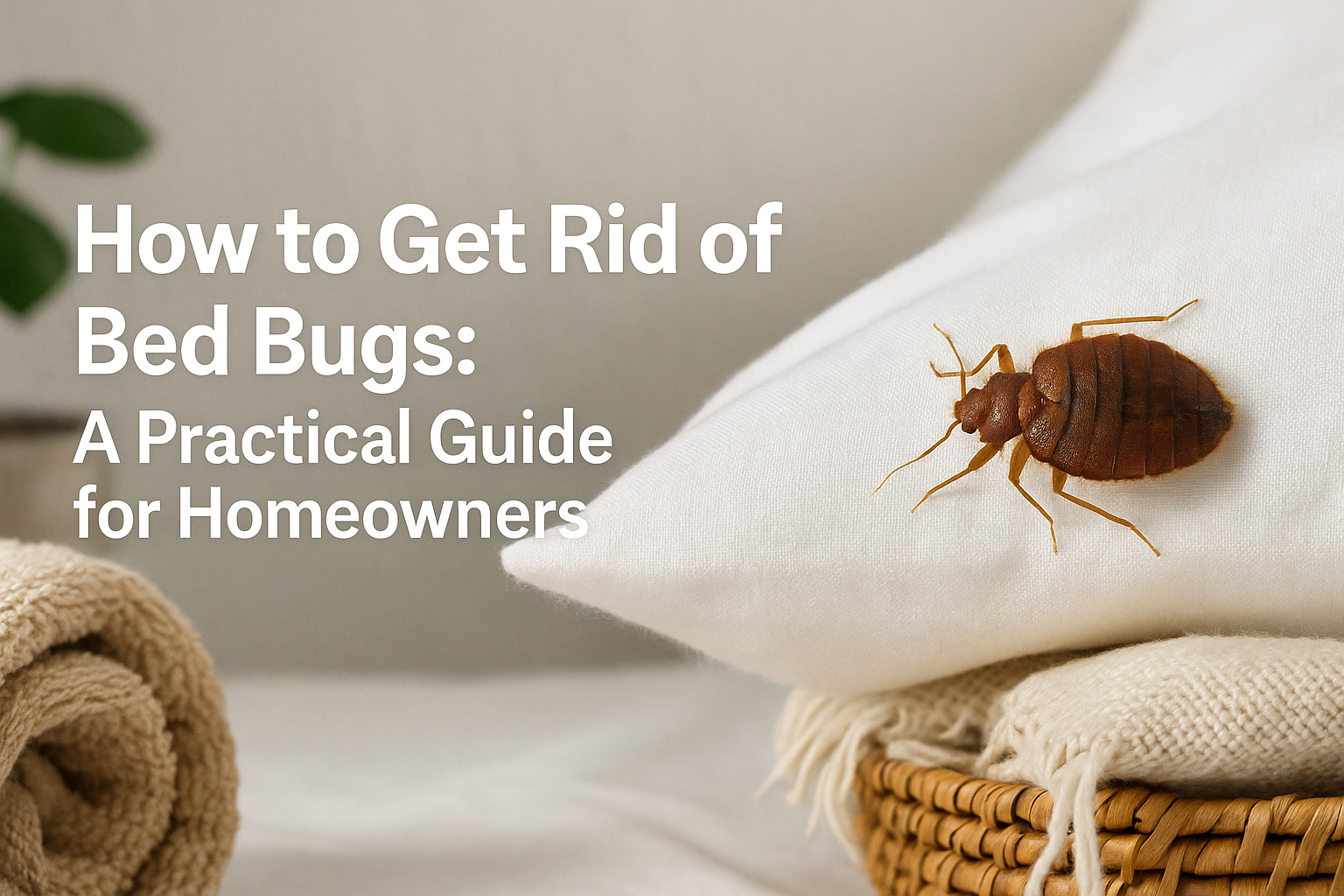
Discovering bed bugs in your home can be stressful, uncomfortable, and overwhelming. These pests are small, fast, and excellent at hiding in tight spaces. The good news is that with the right plan and a careful approach, homeowners can eliminate bed bugs safely and effectively. Whether you're dealing with a small infestation or addressing multiple rooms, combining cleaning, heat, and targeted treatments gives you the best chance of success.
Homeowners can also benefit from using professional-grade tools that make deep cleaning and treatment easier, such as foggers or cordless vacuums from Tomahawk Power. These tools help cover large spaces, reach hidden areas, and remove debris after treatments.
How Bed Bugs Spread Inside a Home
Bed bugs enter homes in many ways: luggage, secondhand furniture, visiting guests, or items stored in infested areas. Once inside, they hide in mattress seams, bed frames, couches, cracks, and even electrical outlets. Their ability to stay hidden makes early detection essential. Homeowners often notice small bites, blood spots on sheets, or tiny dark stains on mattresses before they ever see the insects themselves.
Understanding where they hide helps you target your cleaning and treatment efforts effectively.
Step 1: Start With Decluttering and Hot Washing
Before any treatment begins, clear out items around beds, furniture, and baseboards. Reducing clutter gives bed bugs fewer places to hide and helps treatments reach deeper.
Wash bedding, clothing, and linens in hot water and dry them on the highest heat setting. Heat above 120°F kills bed bugs and eggs quickly. Items that cannot be washed can be placed in airtight bags and left sealed for several days.
During this initial stage, many homeowners benefit from using a cordless vacuum such as the Tomahawk 36V Battery Powered Backpack Vacuum. Its mobility and strong suction make it ideal for reaching corners, mattress edges, and tight spaces without dragging cords through the room.
Step 2: Thoroughly Vacuum Mattresses, Floors, and Furniture
Vacuuming is one of the fastest ways to remove live bugs and eggs. Focus your vacuuming efforts on mattress seams, the sides of box springs, under couch cushions, along carpet edges, and inside furniture joints. A HEPA-filter vacuum helps prevent small particles from returning to the air.
After vacuuming, seal the vacuum bag immediately and discard it outdoors. If your vacuum has a canister, empty it into an outdoor trash bin and rinse it with hot water.
Step 3: Apply Heat to Kill Hidden Bed Bugs
Heat is one of the most reliable tools for killing bed bugs at every life stage. While full-home heat treatments require professionals, homeowners can still apply heat in targeted ways:
• Using a handheld steamer on mattresses, furniture, and carpets
• Placing small items in dryers on high heat
• Using portable steam tools for cracks and crevices
Steam penetrates fabrics and wood surfaces, delivering lethal temperatures directly into hiding spots. After steaming, it’s helpful to vacuum again to remove dead insects and debris.
Step 4: Use a Bed Bug Fogger to Treat Entire Rooms
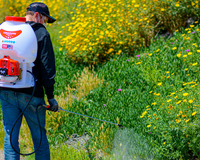
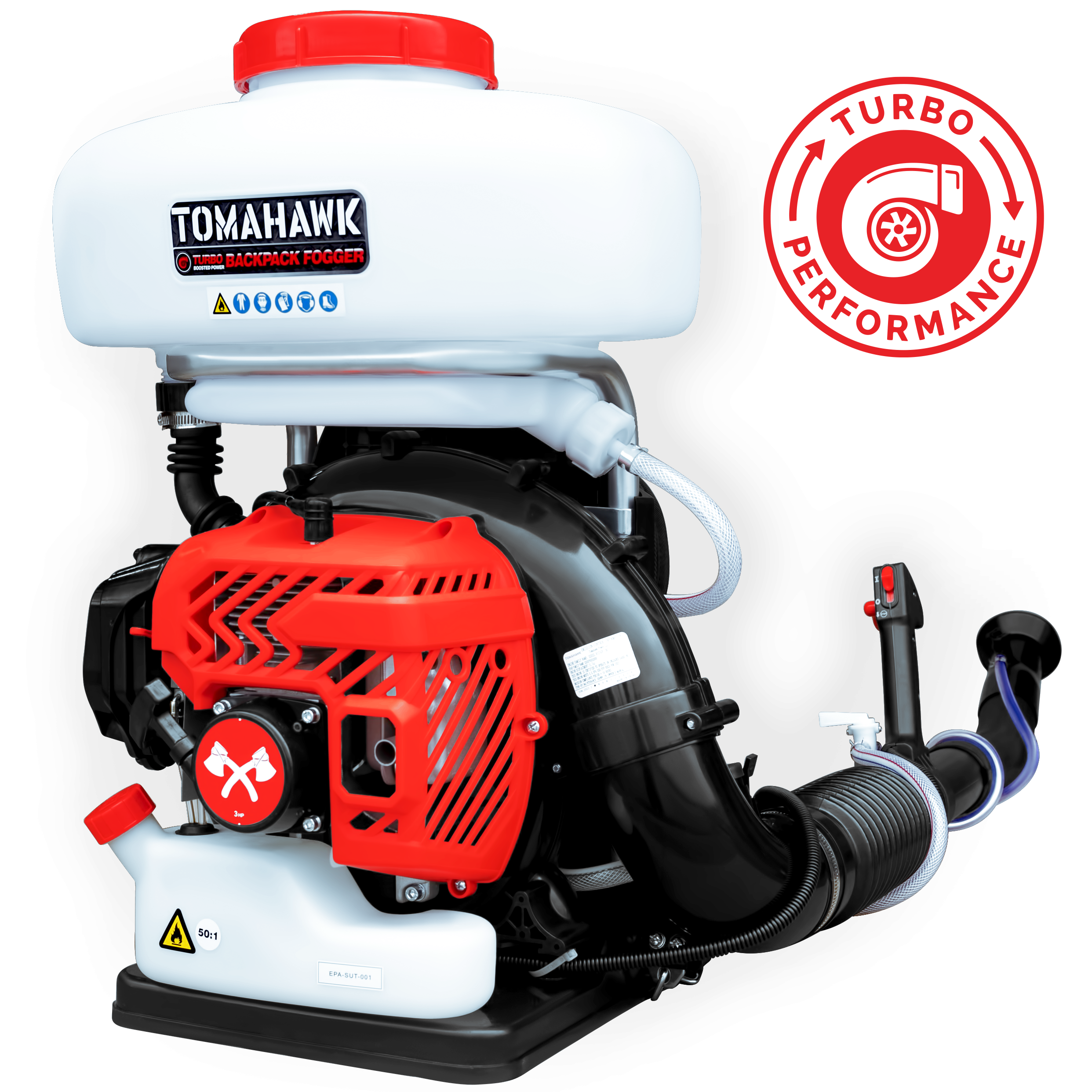
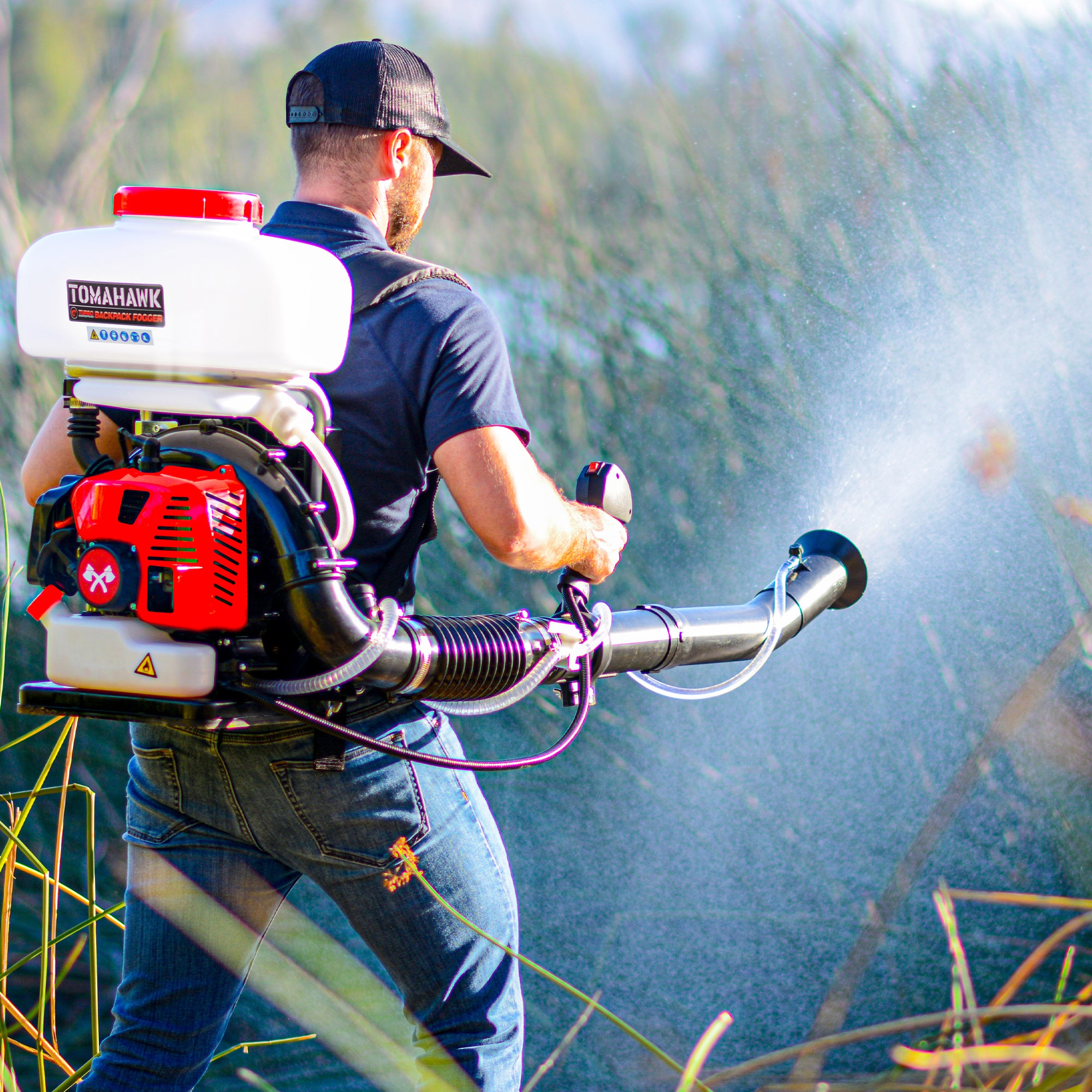
Foggers can help homeowners treat wider areas when bed bugs may be hiding in cracks, furniture, or places sprays cannot reach. A ULV cold fogger releases a fine mist that spreads across carpets, mattresses, drawers, and small gaps around the room.
Tomahawk Power foggers are designed for even distribution, helping homeowners treat bedrooms, basements, and living areas quickly. While fogging should not replace vacuuming or heat, it adds an important second layer of protection by extending insecticide into hidden pockets where bugs might remain.
Before fogging, carefully read all product labels and ensure the room is prepared and safe for treatment.
Step 5: Apply Targeted Contact Sprays and Residual Treatments
Even after fogging, direct sprays are needed for cracks, bed frames, and areas where bed bugs commonly lay eggs. Look for products labeled specifically for bed bugs and follow instructions closely.
Residual insecticides help prevent bed bugs from returning. These are especially helpful in older homes with more cracks or in multi-family buildings where pests can move between units.
Step 6: Repair, Clean, and Monitor Regularly
After treatment, make your home less inviting for future infestations. Homeowners can use mattress encasements, seal cracks along walls or baseboards, and vacuum regularly. In rooms that were heavily infested, repairing drywall or replacing damaged trim can eliminate nesting sites permanently.
Tools like Tomahawk Power foggers and backpack vacuums help keep homes cleaner and easier to inspect, offering a practical advantage during ongoing monitoring.