Bed bugs are among the most persistent household pests, capable of spreading quickly through bedding, furniture, and even electrical outlets. Their ability to hide in cracks and fabric folds makes them difficult to eliminate without a strategic, multi-step approach. Homeowners, landlords, and pest control professionals all benefit from using a combination of cleaning, heat, chemical applications, and fogging tools to fully remove an infestation.
With the right equipment and consistent follow-through, it’s possible to restore living spaces safely and efficiently. Tomahawk Power products, particularly foggers and battery-powered vacuums, can support the cleaning and treatment stages for those managing large areas or recurring issues.
Why Bed Bugs Are So Hard to Eliminate
Bed bugs hide in small, dark spaces: mattress seams, bed frames, carpet edges, outlets, baseboards, and the underside of furniture. They come out at night to feed and retreat before daylight, which often makes an infestation difficult to detect until it becomes severe. Successful treatment starts with understanding their hiding spots and using tools that can reach deep into fabrics and cracks.
Step 1: Begin With Decluttering and Hot Wash Cycles
Reducing clutter helps limit hiding places and makes treatment more effective. Bedding, towels, and clothing should be washed in hot water and dried on the highest heat setting, as heat is one of the fastest ways to kill bed bugs and their eggs. Items that cannot be washed should be sealed in airtight bags for several days.
Before any chemical or fogging treatments, thorough cleaning ensures better penetration into the areas where pests hide. A cordless high-efficiency vacuum such as the Tomahawk 36V Battery Powered Backpack Vacuum makes it easier to reach into tight edges, behind furniture, and around baseboards without dealing with cords.
Step 2: Vacuum Mattresses, Furniture, and Cracks
Vacuuming reduces live bugs and removes eggs that cling to fabric and wood surfaces. Focus on seams, legs, drawers, headboards, and the edges of carpets. Using a HEPA-filter vacuum helps trap fine particles and allergens, preventing them from recirculating into the room.
After vacuuming, it’s helpful to seal the vacuum bag immediately and dispose of it outdoors. For larger buildings, hotels, or apartment complexes, using a lightweight battery-powered vacuum increases efficiency and mobility between units.
Step 3: Apply Heat for Deeper Penetration
Heat treatments are among the most effective options for bed bug removal. Temperatures above 120°F can kill bugs at all life stages, including eggs, which are resistant to many chemical sprays. Steamers can be used on mattresses, furniture, and carpeting to inject high heat directly into nesting sites.
After heat treatments, a secondary cleaning pass is recommended to remove dead insects and residue. This preparation stage also helps ensure fogging applications reach all necessary areas.
Step 4: Use a Bed Bug Fogger for Wide-Area Treatment
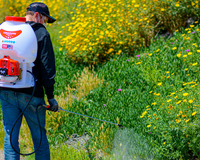
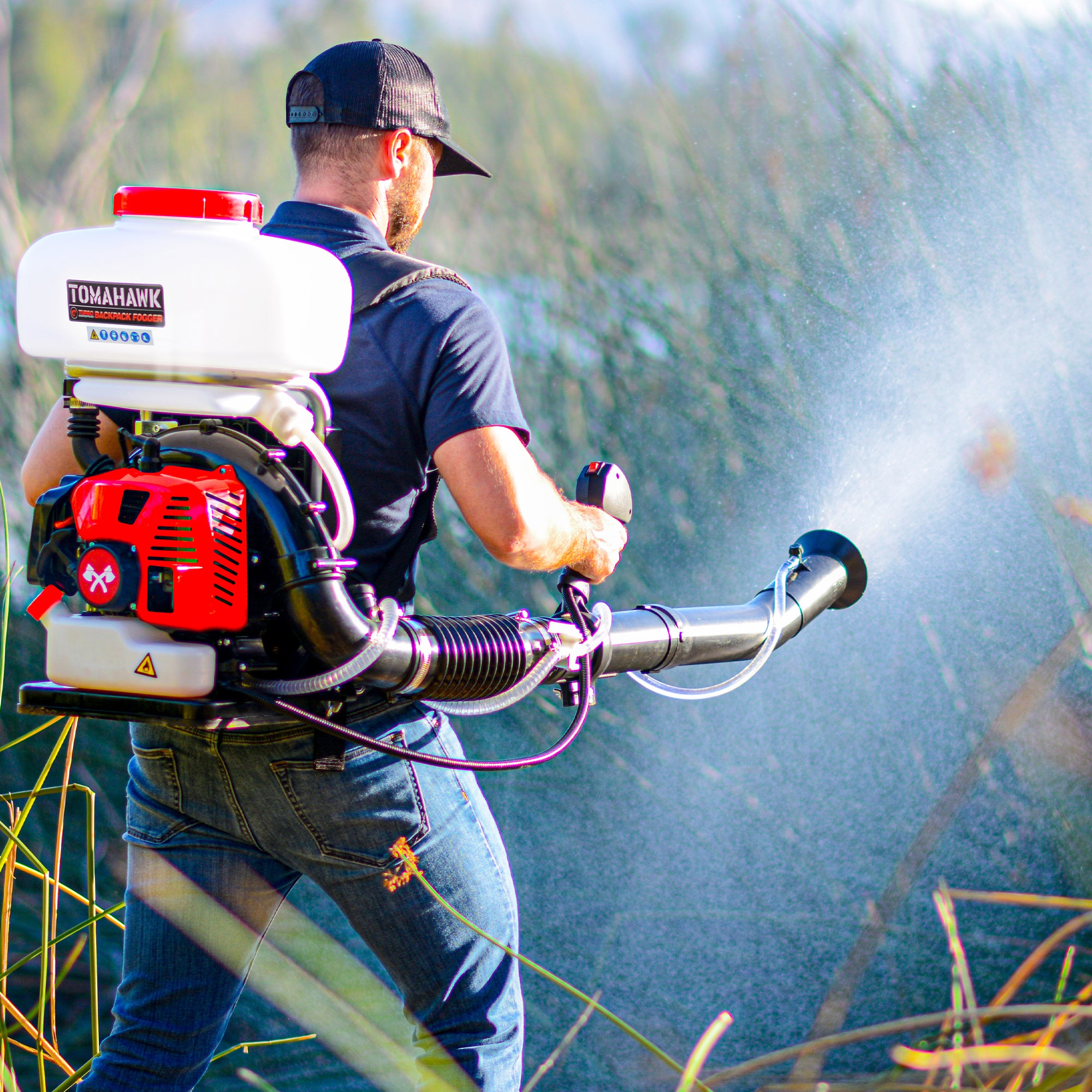
Foggers can be helpful as part of a broader treatment plan, especially in multi-room infestations or furnished spaces with limited access to hidden crevices. ULV cold foggers deliver fine particles that disperse through cracks, gaps, and fabrics, helping carry insecticides where traditional sprays may not reach.
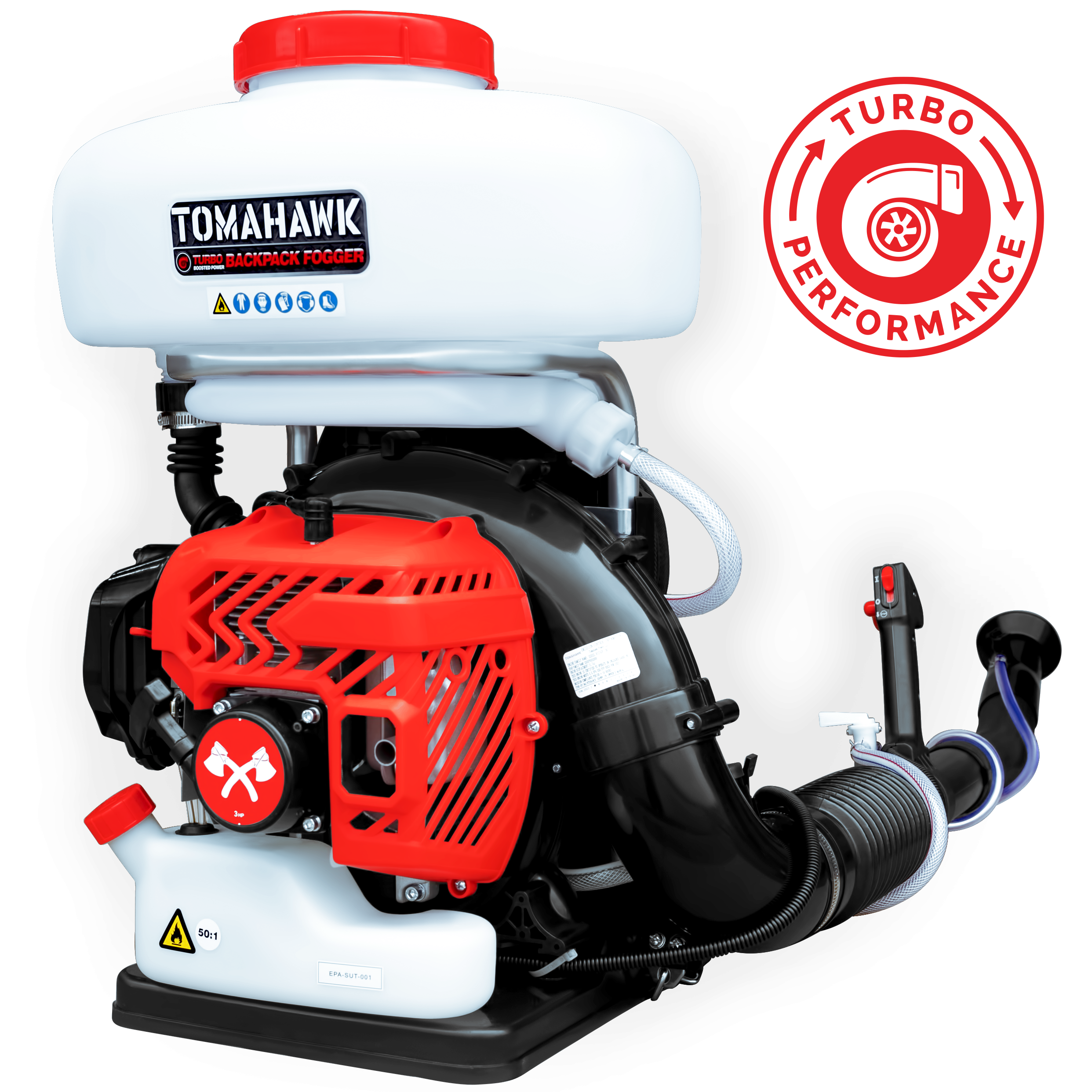
Professionals who manage large properties often use ULV foggers to treat rooms quickly and evenly. Tomahawk Power’s fogger systems are designed for wide-area coverage, making them suitable for treating bedrooms, living rooms, hotel units, or multi-story properties where bed bugs may travel between rooms. Fogging is not a standalone solution, but when combined with heat and cleaning, it significantly boosts treatment effectiveness.
Step 5: Apply Direct Contact Insecticides and Residual Treatments
After fogging, spot treatments are used to target cracks, baseboards, bed frames, and furniture joints. These products work best when applied to areas that are likely to house eggs or nymphs. Following manufacturer instructions is essential, especially in occupied spaces.
Professionals may choose residual insecticides to prevent re-infestation over several weeks. This is especially useful in buildings where bed bugs have a history of recurring due to shared walls or high occupancy turnover.
Step 6: Clean, Repair, and Prevent Future Issues
Once the infestation has been controlled, the final step is restoring and maintaining the treated area. Mattress encasements, regular vacuuming, and routine inspection of bed frames and carpeting help reduce the likelihood of future problems. In rental units or hotel settings, it’s helpful to repair or seal gaps, cracks, or wall damage that could give bed bugs new hiding places.
Tools like Tomahawk Power’s foggers and battery-powered vacuums can continue supporting routine sanitation and preventative maintenance, especially for contractors and property managers responsible for multiple units.