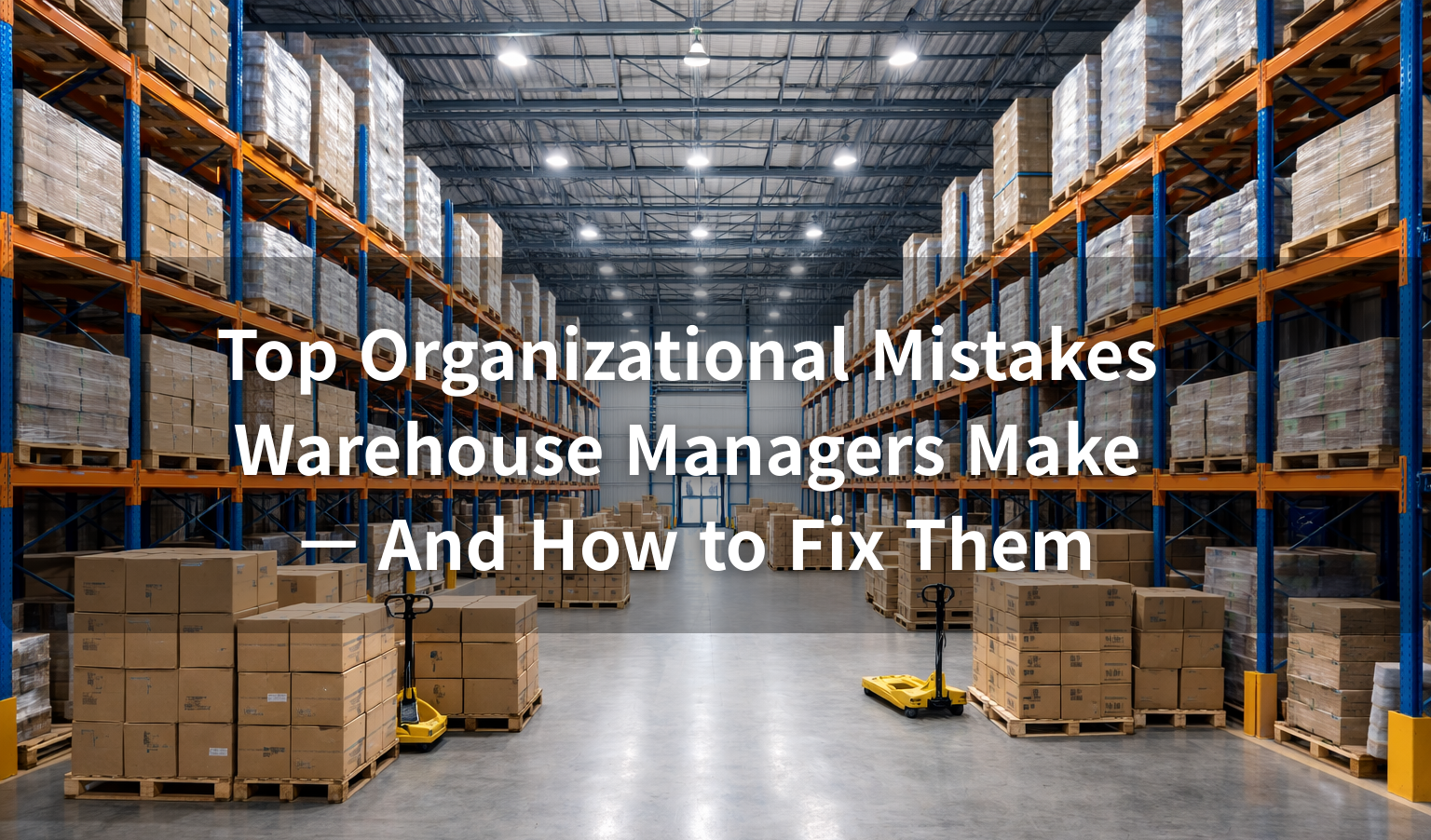
Even well-run warehouses can struggle with inefficiencies that stem from organizational blind spots. Over time, small issues—misplaced equipment, cluttered aisles, or unclear workflows—can quietly slow operations and increase costs. For warehouse managers, recognizing these common mistakes is the first step toward fixing them without disrupting daily productivity.
Below are some of the most frequent organizational missteps found in warehouses, along with practical ways to correct them and improve efficiency.
Letting Equipment Drift Without Assigned Locations
One of the most common organizational mistakes is allowing material handling equipment to be stored wherever space happens to be available. Over time, carts, wheelbarrows, and transport tools end up scattered across the floor, blocking aisles and creating unnecessary searching.
How to fix it:
Assign dedicated parking zones for each type of equipment based on where it’s used most. Utility carts and transport tools that are easy to maneuver and store make it easier for teams to follow these rules consistently.
Treating Aisles as Temporary Storage
When space gets tight, aisles often become convenient overflow areas. While it may seem harmless in the moment, blocked aisles slow movement, increase safety risks, and damage equipment.
How to fix it:
Clearly define aisles with floor markings and enforce a strict “no storage” policy. Designated staging areas near receiving and shipping help keep aisles open while maintaining efficient material flow.
Using the Same Tools for Every Task
Relying on one type of cart or transport tool for all tasks often leads to overloading, inefficiency, and premature equipment wear. Not every movement requires the same solution.
How to fix it:
Match equipment to the task. Heavy-duty utility carts work well for picking and internal transport, while electric transport equipment is better suited for longer routes and heavier loads. Wheelbarrows remain effective for flexible, short-distance handling when space is limited.
Overlooking Floor Cleanliness as an Organizational Tool
Dust and debris don’t just affect appearance—they reduce traction, hide floor markings, and slow equipment movement. Over time, this undermines even the best organizational systems.
How to fix it:
Incorporate regular floor cleaning into daily operations. Industrial push sweepers and ride-on sweepers help keep aisles and work zones clean without interrupting workflows, supporting both safety and efficiency.
Failing to Control Equipment Storage Near Work Areas
When equipment is stored too far from where it’s used, workers waste time retrieving tools. When it’s stored too close, it often creates congestion.
How to fix it:
Position equipment storage strategically. Carts, wheelbarrows, and electric equipment should be stored near their primary use zones but outside of main traffic lanes. Durable equipment designed for warehouse environments makes this balance easier to maintain.
Ignoring Vertical Space Opportunities
Many warehouses expand floor storage before fully optimizing vertical space. This leads to cluttered aisles and reduced maneuverability for material handling equipment.
How to fix it:
Improve vertical storage through well-organized racking systems and consistent labeling. This frees up floor space and improves access while keeping ground-level areas open for movement.
Lacking Consistent Organizational Standards Across Shifts
Even strong systems break down when standards aren’t consistent. What one shift considers “organized” may not match another’s approach.
How to fix it:
Standardize layouts, storage locations, and equipment parking across the entire facility. Visual cues and consistent equipment types help reinforce these standards and make it easier for teams to maintain them.
Small organizational mistakes can quietly undermine warehouse efficiency, but they’re also some of the easiest problems to fix. By addressing equipment placement, aisle control, cleanliness, and space utilization, warehouse managers can create smoother workflows without slowing operations.
When supported by reliable material handling solutions—such as heavy-duty utility carts, electric transport equipment, and industrial sweepers—these improvements become easier to sustain. The result is a warehouse that stays organized, moves efficiently, and remains ready to scale as demands grow.