
Tick activity across California is increasing, especially in areas with dense vegetation, irrigation, and nearby wildlife. From residential properties to construction sites, more people are dealing with ticks in environments where they were once less common.
As this trend continues, effective tick control is becoming less about temporary fixes—and more about treating the environment where ticks live.
Why Tick Populations Are Increasing in California
Ticks thrive in specific conditions that are becoming more common across the state. Shaded areas, consistent moisture, and access to host animals all contribute to their survival and spread.
In California, this often includes:
- Landscaped yards with irrigation systems
- Hillside and canyon properties with brush
- Job sites near undeveloped land
- Parks and outdoor recreational areas
Because ticks rely on hosts like deer and rodents, they can easily move into maintained spaces, making control more complex than simple prevention.
Why Basic Tick Prevention Isn’t Enough
Most tick prevention strategies focus on personal protection—repellents, clothing, and post-exposure checks. While important, these methods don’t reduce the tick population itself.
Ticks remain in vegetation, waiting to attach to a host. If those areas aren’t treated, the population continues to grow and reappear.
That’s why environmental control is becoming a key part of long-term tick management.
The Importance of Treating Tick Habitats
To effectively control ticks, treatment must reach the areas where they live and reproduce. These typically include:
- Tall grass and dense landscaping
- Shaded ground cover and leaf litter
- Property edges and fence lines
- Brush and transition zones
Targeting these zones helps reduce the overall population instead of just preventing individual bites.
Using a Backpack Fogger for Tick Control
For larger properties or areas with heavy vegetation, applying treatment evenly can be difficult without the right equipment.
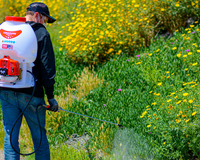
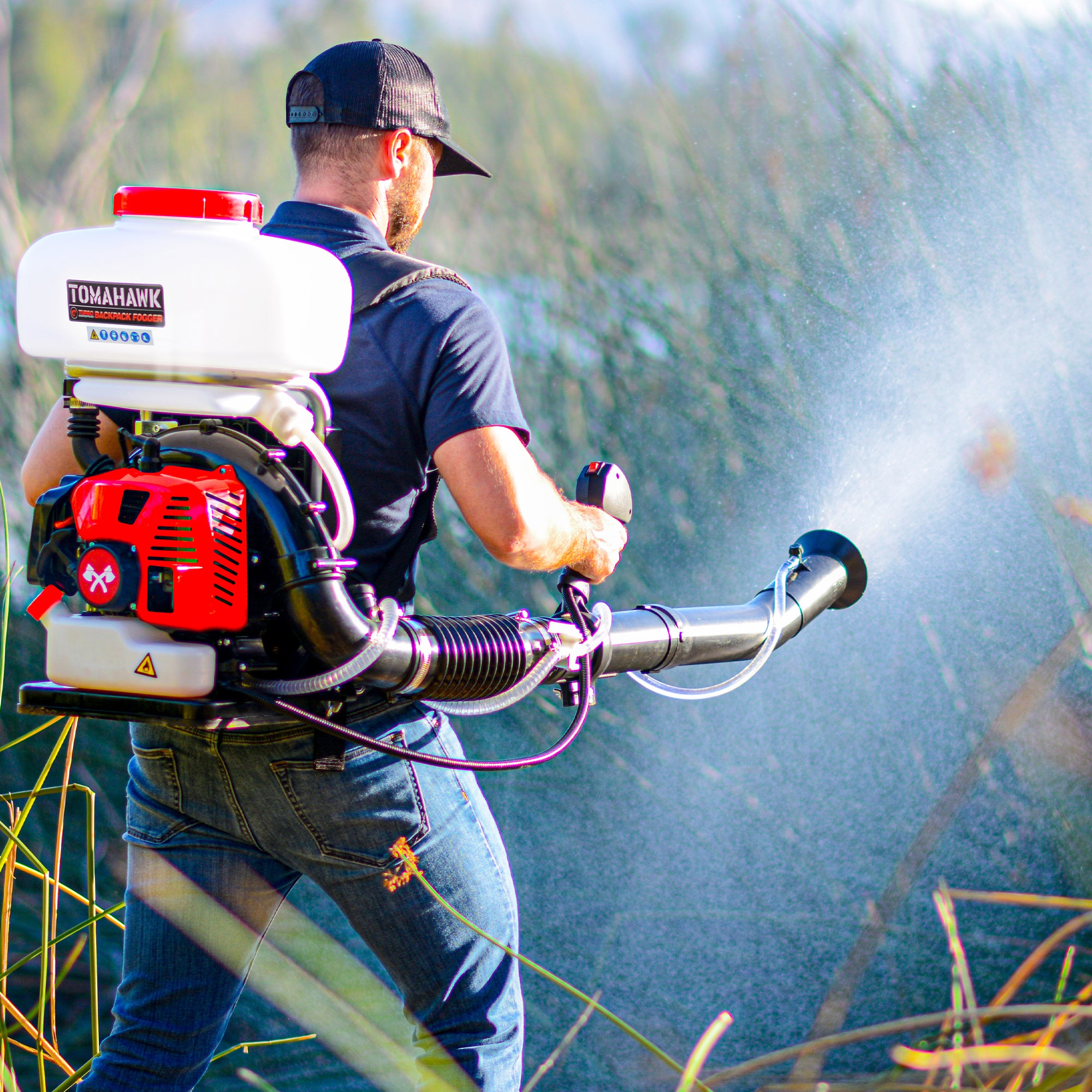
A mosquito and pest control backpack fogger provides a more efficient way to handle this.
With a fogger, you can:
- Move freely across the property while treating
- Apply a fine mist that reaches into dense vegetation
- Cover more area in less time compared to manual spraying
- Maintain consistent application across high-risk zones
This type of approach is commonly used in professional pest control because it focuses on coverage and efficiency—two key factors in reducing tick populations.
Where Fogging Is Most Effective
In California, backpack foggers are especially useful in environments where ticks are likely to thrive:
- Residential properties with heavy landscaping
- Construction and development sites
- Parks, trails, and outdoor venues
- Agricultural and rural properties
These areas often combine moisture, vegetation, and wildlife activity—making them ideal habitats for ticks.
A Practical Solution for Ongoing Tick Control
Tick activity isn’t limited to a single season in California. In many regions, mild weather allows ticks to remain active for extended periods, making ongoing control essential.
Using a backpack fogger as part of a regular maintenance routine allows for consistent treatment without relying on temporary or reactive solutions.
Equipment designed for durability and mobility—such as commercial-grade backpack foggers used by contractors and property managers—can make this process more manageable, especially when treating larger or more complex spaces.
Staying Ahead of Tick Activity
As tick populations continue to expand across California, proactive control is becoming increasingly important. Understanding where ticks live and how to treat those areas effectively can make a significant difference in maintaining safer outdoor environments.
By combining environmental awareness with practical tools like a backpack fogger, property owners and professionals can take a more reliable approach to tick control—reducing risk and improving overall usability of outdoor spaces.