Across the Midwest, mosquito populations are surging earlier and more aggressively than usual, raising concerns for homeowners, contractors, and outdoor workers alike. Reports indicate that certain species are appearing in numbers up to four times higher than previous years, particularly in areas with wetlands, flood zones, and dense vegetation.
This spike isn’t random. It’s the result of a perfect storm of environmental conditions—heavy rainfall, warming temperatures, and standing water—all accelerating mosquito breeding cycles and expanding their reach into both urban and rural environments.
Why Mosquito Populations Are Exploding in 2026
Mosquito activity is heavily influenced by weather patterns, and 2026 is shaping up to be a peak year. Experts point out that mosquito populations can surge dramatically just 2–8 weeks after heavy rainfall, especially in agricultural and low-lying regions common throughout the Midwest.
Flooded fields, drainage ditches, construction sites, and even residential yards become ideal breeding grounds. Once larvae hatch, they can develop into biting adults in as little as a week under warm conditions.
This rapid lifecycle means infestations can escalate quickly—and without warning.
The Growing Impact on Job Sites and Outdoor Spaces
For professionals working outdoors, mosquito surges are more than just a nuisance. They directly affect productivity, safety, and overall working conditions.
Construction crews, landscapers, and property managers are increasingly dealing with:
- Reduced efficiency due to constant swarming
- Increased risk of mosquito-borne illnesses
- Difficulty maintaining comfortable, usable outdoor spaces
Even municipalities are stepping in. In parts of the Midwest, aerial mosquito control programs have already been deployed to target larvae before populations explode further.
But large-scale efforts can’t reach every backyard, jobsite, or commercial property.
Why Traditional Mosquito Control Isn’t Enough
Most people rely on basic solutions—repellents, candles, or DIY sprays. While helpful in small areas, these methods fall short when mosquito populations surge at scale.
The core issue is coverage and consistency.
Mosquitoes breed in hidden or hard-to-reach areas like:
- Dense brush and vegetation
- Drainage systems and standing water pockets
- Equipment yards and material storage zones
Without treating these areas directly, mosquito populations continue to regenerate.
A More Effective Approach: Area-Wide Fogging
When mosquito pressure becomes overwhelming, targeted fogging is one of the most effective ways to regain control.
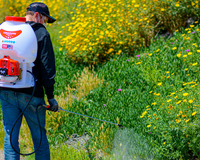
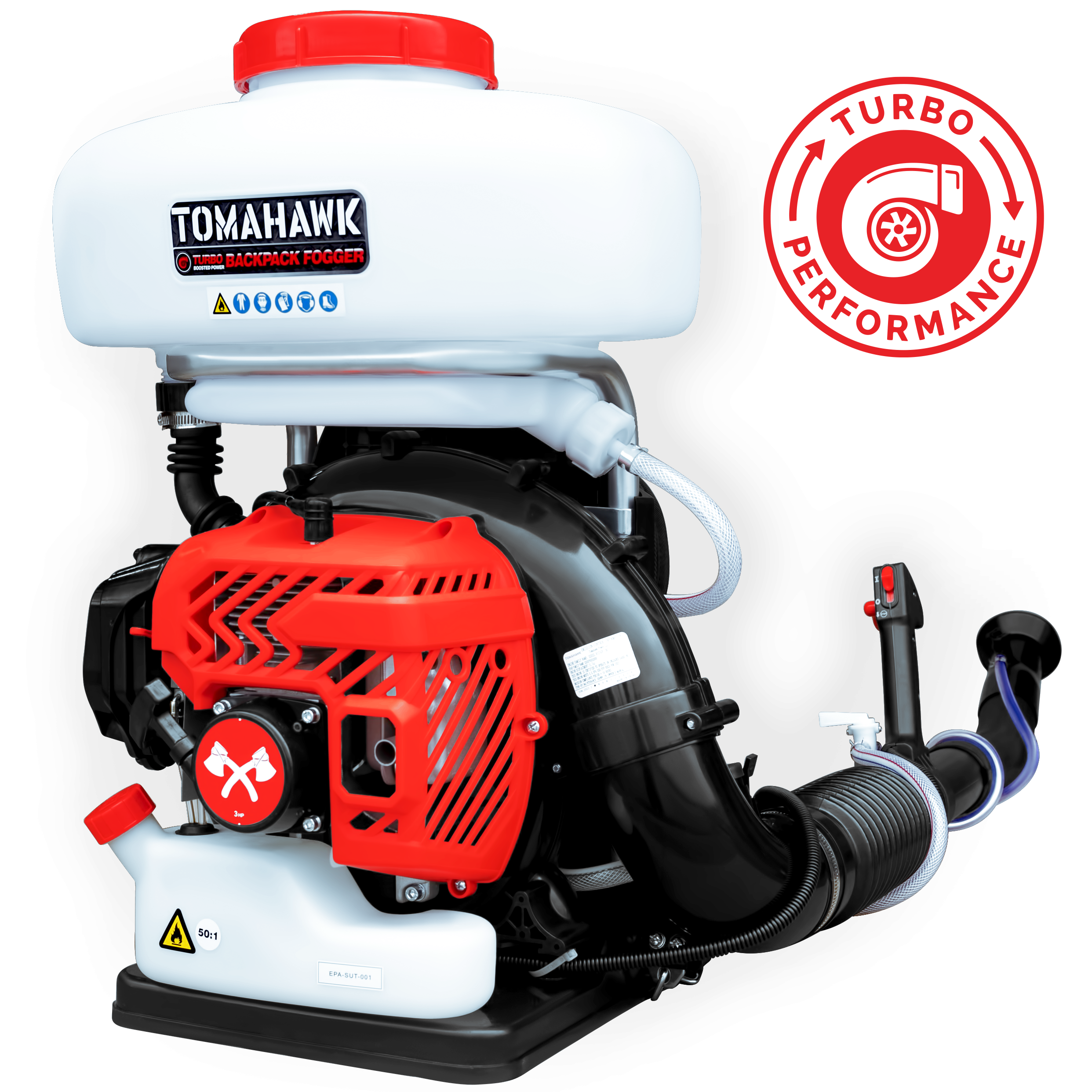
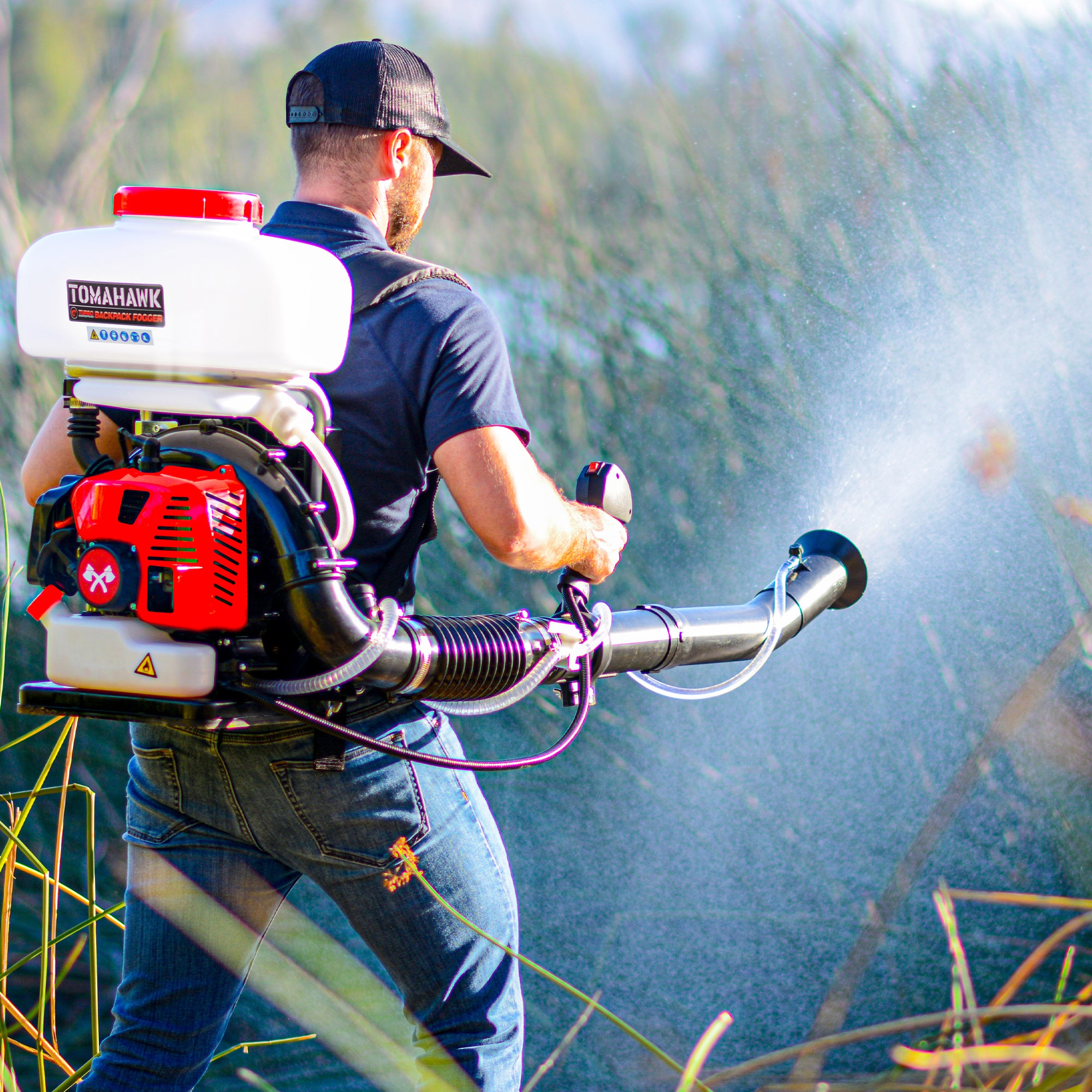
Backpack mosquito foggers are designed to:
- Deliver consistent, wide-area coverage
- Penetrate dense foliage and hard-to-reach zones
- Quickly reduce adult mosquito populations
This approach mirrors what professional vector control teams use—just scaled for contractors, property managers, and homeowners who need immediate results.
Practical Applications in the Midwest
With mosquito activity peaking across states like Illinois, Missouri, and Minnesota during the summer months, localized control becomes essential.
A mosquito fogger is especially useful for:
- Construction and utility job sites with standing water
- Farms and agricultural operations
- Residential neighborhoods with drainage issues
- Parks, golf courses, and outdoor venues
By addressing the problem at the source—where mosquitoes rest and breed—fogging provides a proactive layer of defense instead of reactive relief.
Staying Ahead of the Surge
The current mosquito surge is a reminder that prevention and control need to evolve alongside changing environmental conditions. Warmer seasons are starting earlier, lasting longer, and creating ideal breeding cycles across large regions of the country.
While eliminating standing water remains critical, it’s often not enough on its own—especially during peak outbreaks.
Combining preventative practices with effective treatment methods, such as backpack fogging, gives property owners and professionals a more reliable way to manage mosquito pressure and maintain safe, usable outdoor environments.