Communities across the Midwest are reporting an unusually intense start to mosquito season, with local agencies noting higher-than-average trap counts and earlier breeding cycles. In several states, including Wisconsin, Illinois, and Iowa, officials are warning residents and businesses to prepare for prolonged mosquito activity driven by persistent rainfall and rising temperatures.
What’s different this year isn’t just the volume—it’s the timing. Mosquito populations are emerging earlier in the season and sustaining longer lifespans, increasing the likelihood of widespread infestations throughout the summer months.
What’s Driving the Surge?
The current spike is closely tied to environmental conditions that favor mosquito reproduction. Frequent storms have left behind standing water in both urban and rural areas, while warmer temperatures accelerate larval development.
Even small amounts of water—collected in jobsite materials, equipment, or uneven ground—can become breeding zones. Within days, these areas can produce hundreds of mosquitoes, creating a compounding effect across entire properties.
This pattern is especially noticeable in regions with:
- Flood-prone landscapes
- Agricultural irrigation systems
- Construction sites with poor drainage
- Residential neighborhoods with dense vegetation
The result is a widespread increase in mosquito pressure that’s difficult to control with basic prevention alone.
How Mosquito Activity Impacts Daily Operations
For many industries, mosquito surges are more than a seasonal inconvenience. They disrupt operations in ways that are often underestimated.
Outdoor crews frequently face interruptions due to aggressive swarming, while property managers struggle to maintain comfortable environments for tenants and visitors. In some cases, excessive mosquito activity can even delay project timelines or limit the usability of outdoor spaces altogether.
There’s also a growing awareness of health risks. As mosquito populations increase, so does the concern around diseases such as West Nile virus, which has historically affected parts of the Midwest during peak seasons.
The Limitations of Reactive Solutions
Standard mosquito control methods—such as sprays, traps, or personal repellents—are typically designed for small-scale or short-term use. While they can provide temporary relief, they rarely address the underlying problem when mosquito populations surge.
The challenge lies in reach and coverage. Mosquitoes don’t stay in open areas; they rest in shaded, protected spaces like thick foliage, under equipment, and along perimeter edges. Without targeting these zones directly, infestations tend to persist and quickly rebound.
Taking a Proactive Approach to Mosquito Control
When dealing with large or recurring infestations, a more proactive strategy is needed—one that focuses on both immediate reduction and broader area coverage.
This is where fogging becomes particularly effective.
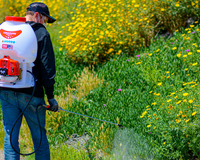
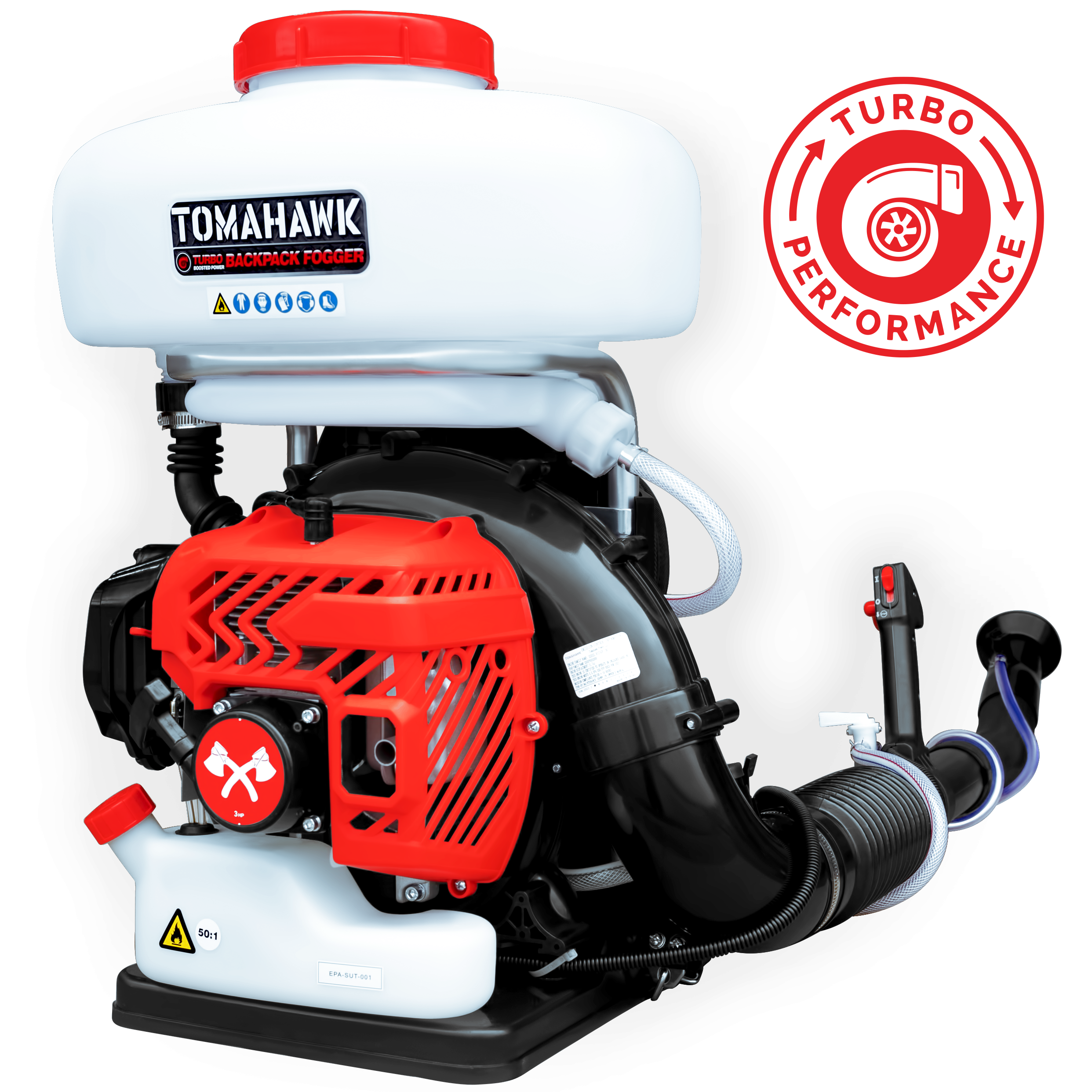
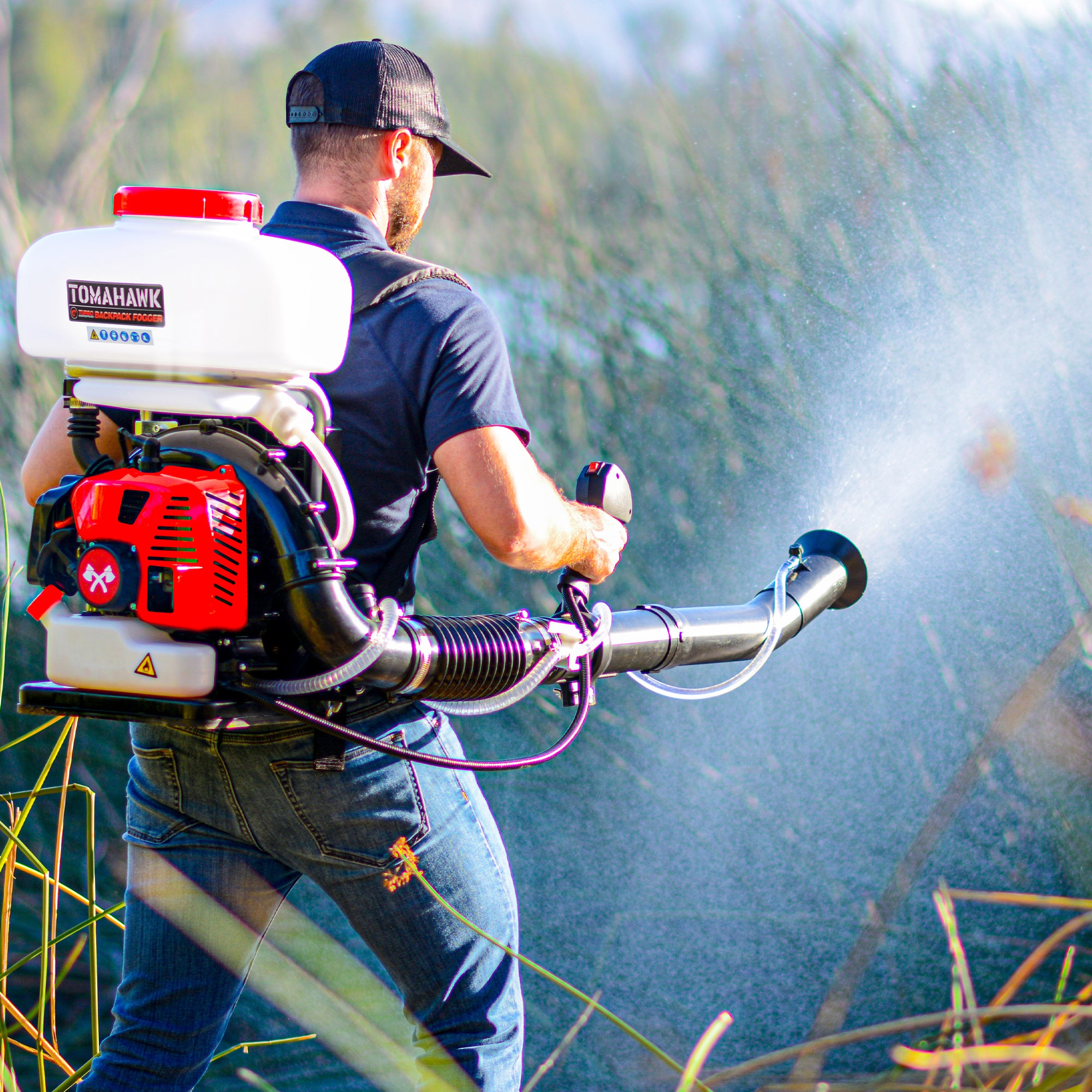
Using a backpack fogger allows operators to move efficiently across a property while distributing treatment evenly. The fine mist is capable of reaching into dense vegetation and other hidden areas where mosquitoes tend to gather during the day.
Instead of treating only visible problem spots, this approach helps reduce populations at a larger scale, making it more suitable for job sites, commercial properties, and expansive outdoor areas.
Where Fogging Makes the Biggest Difference
In the Midwest, mosquito activity is often concentrated around environments that are difficult to manage with traditional tools. Backpack foggers are especially useful in situations such as:
- Large residential properties with landscaping features
- Construction zones with standing water and materials storage
- Farms and agricultural land with irrigation runoff
- Public outdoor areas requiring consistent maintenance
By improving coverage and mobility, fogging provides a practical way to keep mosquito populations under control even during peak season.
Adapting to Longer, More Intense Seasons
The Midwest mosquito surge reflects a broader trend—longer and more intense insect seasons influenced by shifting climate patterns. As these conditions continue, relying solely on reactive measures becomes less effective over time.
A combination of site management, water control, and targeted treatment offers a more sustainable solution. For many professionals and property owners, incorporating tools like backpack foggers into their routine maintenance can make a noticeable difference in both comfort and productivity.