
Choosing the right sprayer for home use can significantly affect how efficiently you handle tasks like lawn care, weed control, pest management, and garden maintenance. Homeowners today typically choose between gas-powered, battery-powered, and manual sprayers, each offering different advantages depending on property size, frequency of use, and desired convenience. Understanding how these options compare makes it easier to select a sprayer that fits real-world home maintenance needs.
Gas Sprayers: Power with Added Complexity
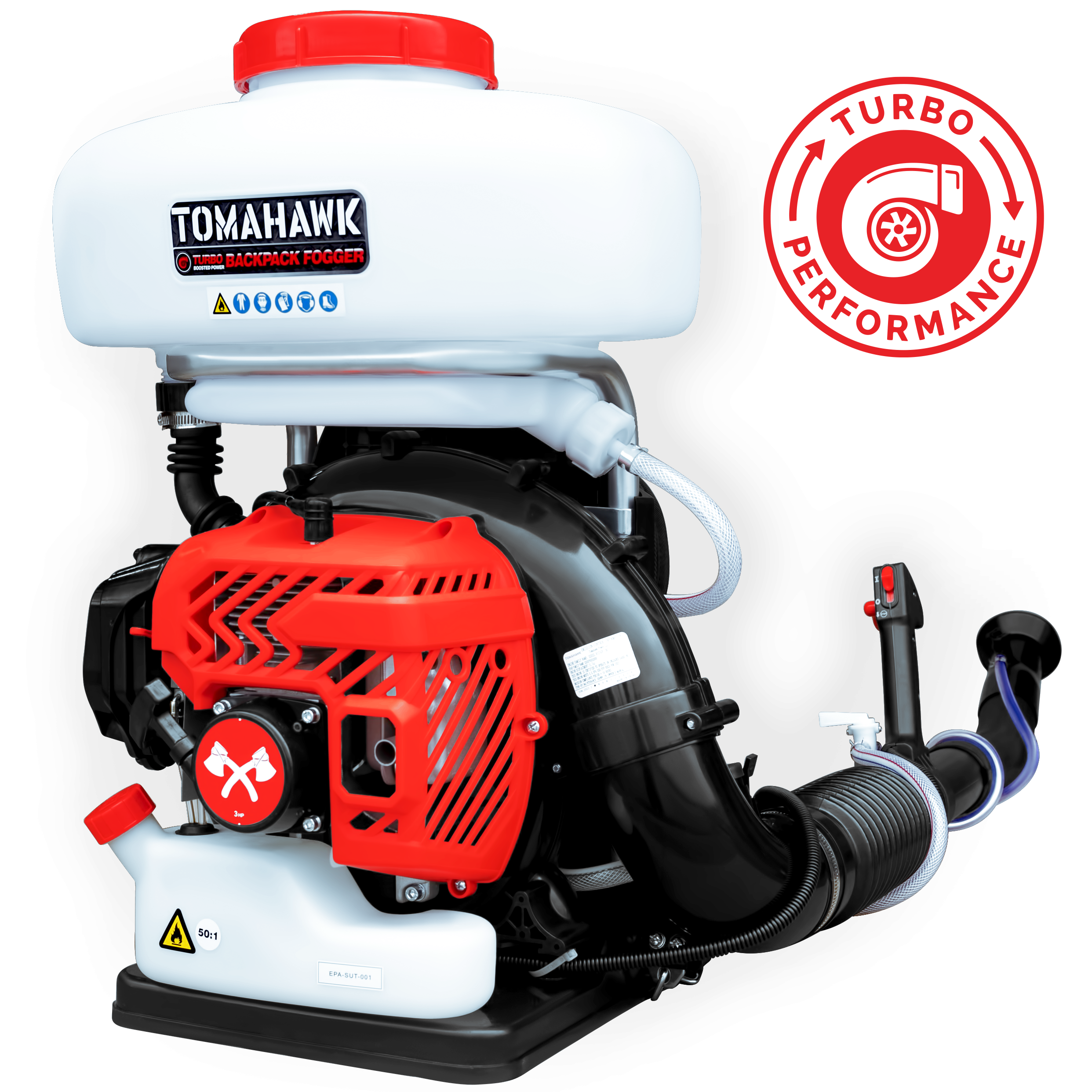
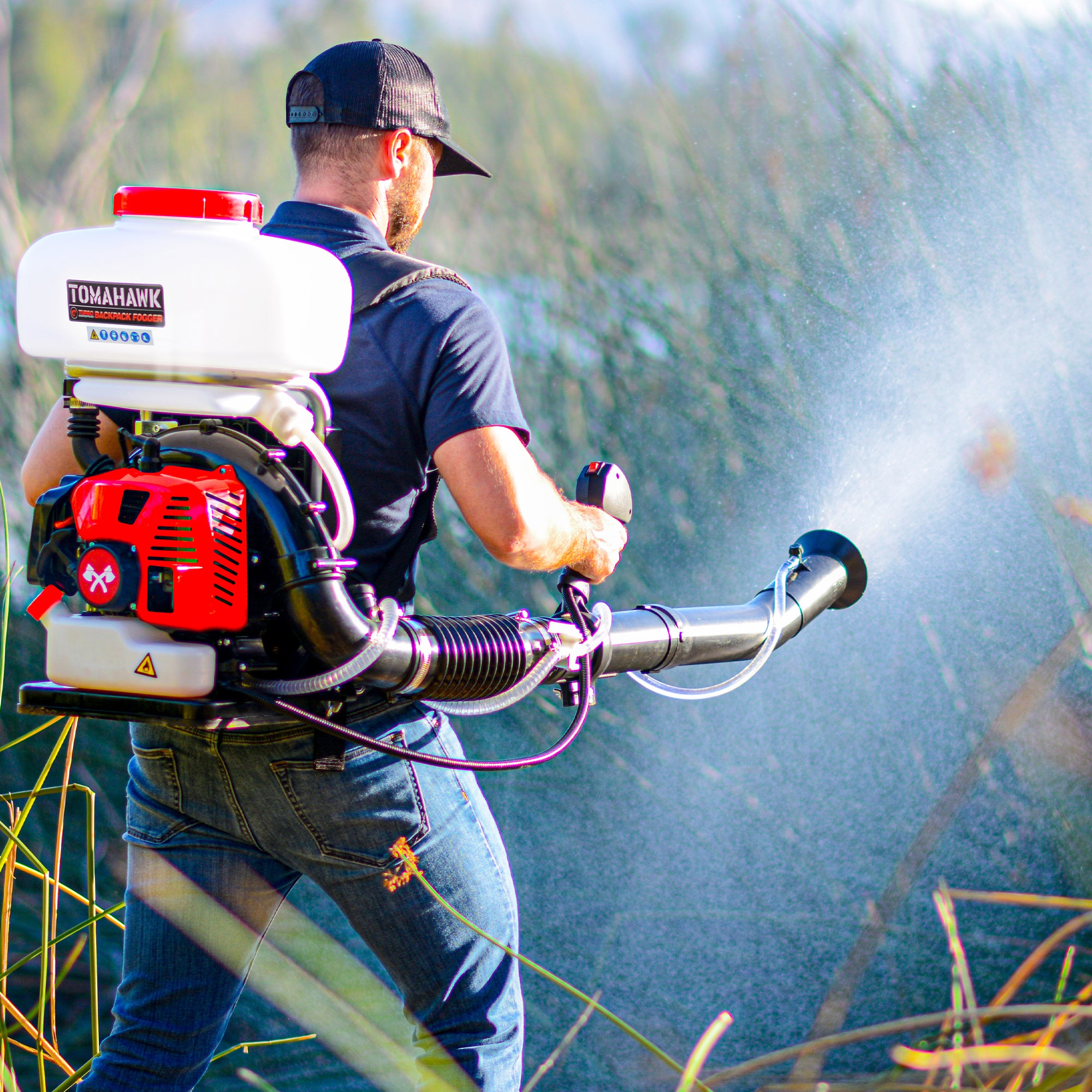
Gas-powered sprayers are often associated with professional landscaping and large-scale applications. They deliver high pressure and continuous operation, making them suitable for expansive properties or heavy-duty spraying tasks.
However, for many homeowners, that power comes with trade-offs. Gas sprayers require fuel mixing, regular engine maintenance, and produce noise and exhaust. Storage and startup procedures can also be inconvenient for users who only spray occasionally. While effective, gas sprayers may be more than what most residential users actually need.
Manual Sprayers: Simple but Physically Demanding
Manual pump sprayers are a common starting point for homeowners due to their low cost and simple design. They work well for small gardens, spot treatments, and light-duty applications.
The downside becomes clear during longer sessions. Constant pumping causes hand and arm fatigue, and pressure consistency can vary throughout use. For homeowners with medium-sized yards or multiple spraying tasks, manual sprayers can quickly become time-consuming and tiring.
Battery-Powered Sprayers: Balanced Performance for Homeowners
Battery-powered backpack sprayers bridge the gap between power and practicality. They offer consistent pressure without manual pumping and eliminate the noise, fumes, and maintenance associated with gas engines.
Modern battery sprayers, such as those designed by Tomahawk Power, are well-suited for homeowners managing lawns, fences, garden beds, and perimeter pest control. The backpack design improves comfort, while rechargeable batteries allow for extended runtime without physical strain. For most residential properties, battery-powered units provide sufficient output without unnecessary complexity.
Key Factors Homeowners Should Consider
When comparing sprayer types, homeowners should think about property size, frequency of use, and physical comfort. A larger yard or repeated applications benefit from consistent pressure and reduced fatigue, while occasional spot treatments may only require simpler tools.
Battery-powered backpack sprayers often align best with homeowners who want reliable performance, ease of use, and low maintenance, all while maintaining a quieter and cleaner operation around the home.
Gas, battery, and manual sprayers each serve a purpose, but the best choice depends on how homeowners actually use their equipment. For most residential spraying tasks, battery-powered backpack sprayers offer a practical balance of performance, comfort, and convenience, making them a strong fit for modern home maintenance routines.