Homeowners use sprayers for a wide range of tasks, from fertilizing lawns to controlling weeds and insects. With several sprayer types available, choosing the right one can feel confusing. Gas, battery, and manual sprayers each offer different levels of power, convenience, and effort, making it important to understand how they perform in typical home environments.
Gas Sprayers: Designed for Large-Scale Jobs
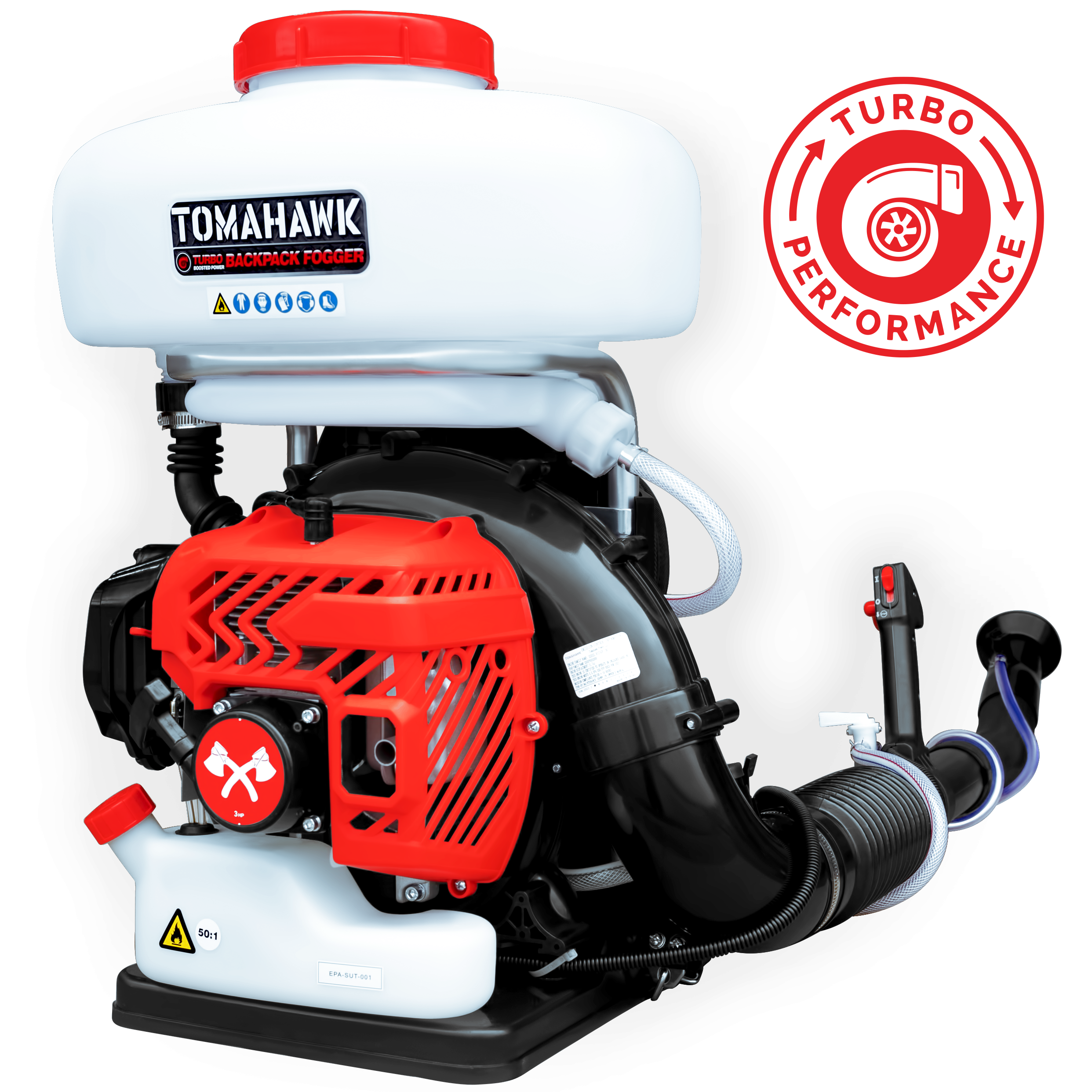
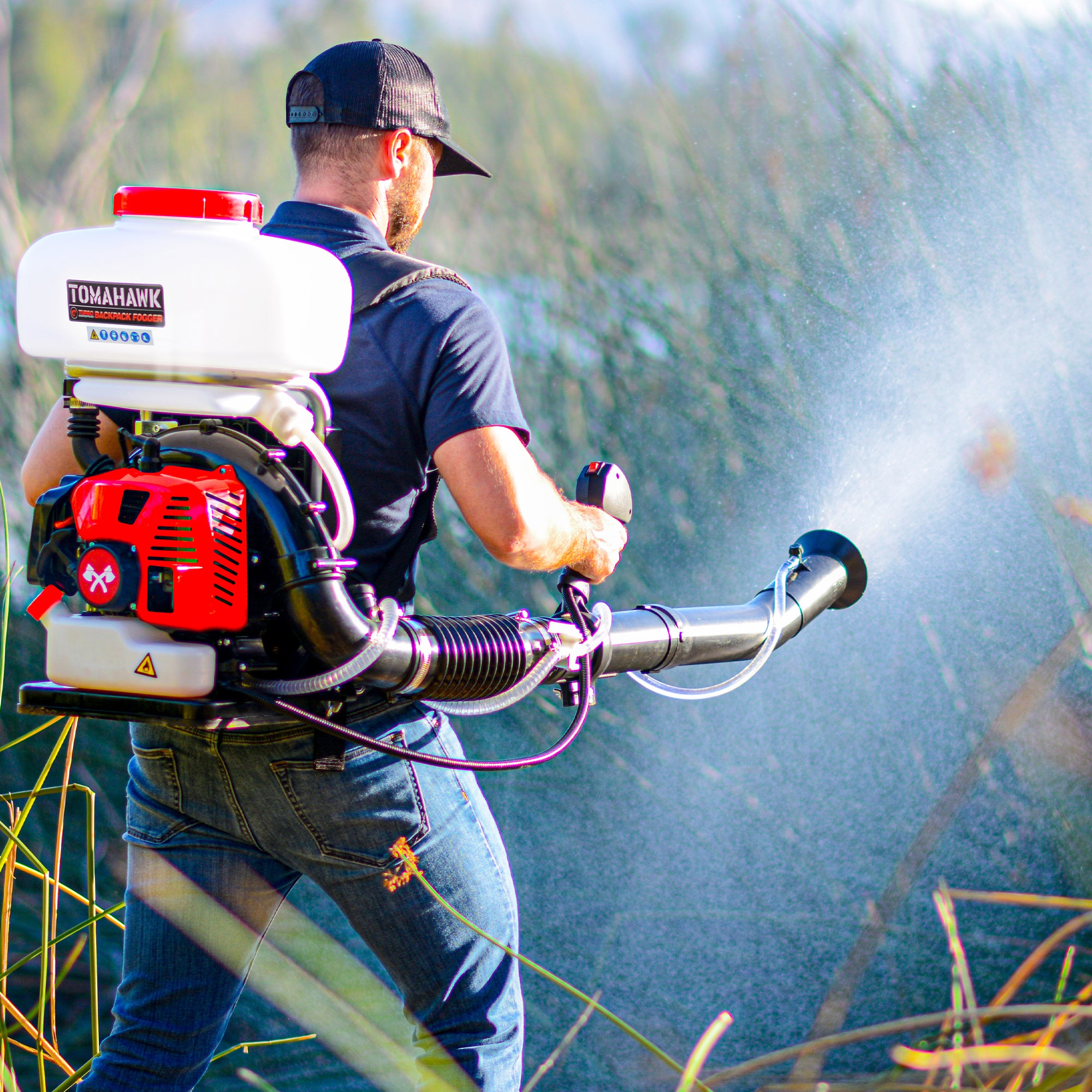
Gas-powered sprayers are built for extended run times and high-volume spraying. They are commonly used on large properties, farms, or commercial landscaping sites where power output and long operation are priorities.
For homeowners, however, gas sprayers often introduce unnecessary maintenance. Fuel storage, engine servicing, noise, and emissions can make them less appealing for residential use. Unless managing very large areas, many homeowners find gas sprayers more demanding than beneficial.
Manual Sprayers: Entry-Level and Budget-Friendly
Manual sprayers remain popular due to their affordability and ease of storage. They are useful for small areas, indoor plants, or quick spot treatments around the yard.
Their limitation lies in physical effort. Maintaining pressure requires constant pumping, which can slow progress and lead to fatigue. For homeowners treating larger lawns or multiple zones, manual sprayers may feel inefficient over time.
Battery Sprayers: A Practical Middle Ground
Battery-powered sprayers offer consistent pressure at the push of a button, removing the need for pumping or engine operation. Backpack-style battery sprayers are particularly effective for homeowners who want mobility and comfort during longer spraying sessions.
Battery-powered units from manufacturers like Tomahawk Power are designed to handle common residential tasks efficiently, including lawn treatments, fence lines, and garden maintenance. Rechargeable batteries reduce downtime, while quieter operation makes them well-suited for neighborhood use.
Comparing Ease of Use and Maintenance
Ease of use plays a major role in homeowner satisfaction. Manual sprayers require physical effort, while gas sprayers demand mechanical upkeep. Battery-powered sprayers typically require minimal maintenance, limited mainly to battery charging and routine cleaning.
For homeowners looking to simplify yard care without sacrificing effectiveness, battery-powered backpack sprayers often provide the most balanced solution.
Selecting the right sprayer depends on how often and how extensively it will be used. While gas sprayers offer power and manual sprayers offer simplicity, battery-powered sprayers deliver a practical combination of performance, comfort, and low maintenance that fits well with most home spraying needs.