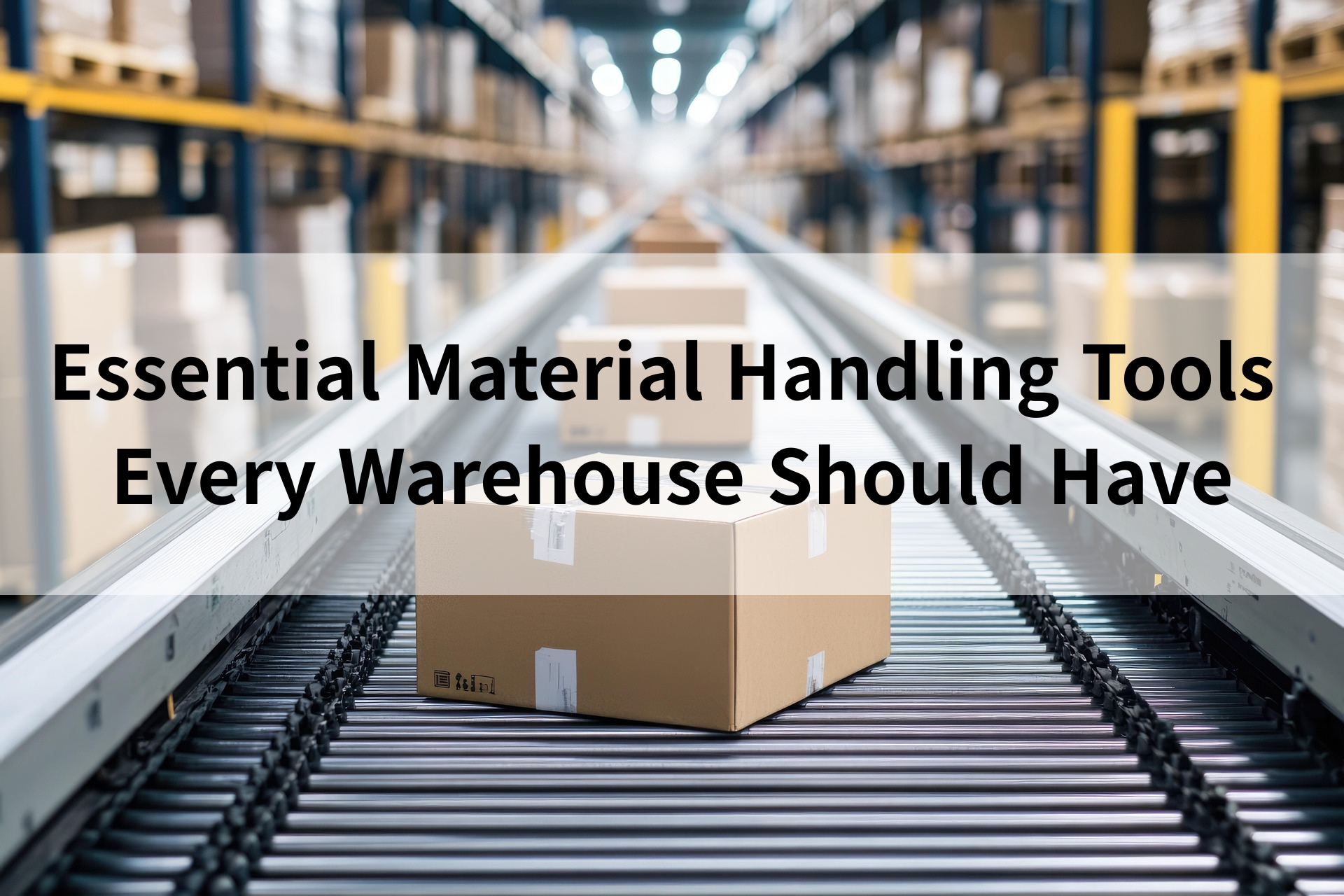
Efficient warehouse operations depend on more than labor and layout—they rely on the right material handling tools. Without proper equipment, even well-designed warehouses can struggle with congestion, wasted space, and slow order fulfillment. For warehouse managers, investing in essential material handling tools is one of the most effective ways to improve productivity, safety, and organization.
The right mix of equipment helps streamline workflows, reduce manual strain, and maintain better control over space. When chosen strategically, these tools support long-term efficiency rather than short-term fixes.
Utility Carts for Organized Movement
Utility carts are foundational tools in warehouse operations. They allow workers to move materials efficiently between receiving, storage, picking, and shipping areas while keeping items organized during transport.
Carts assigned to specific tasks or zones help prevent clutter and reduce unnecessary trips. Heavy-duty utility carts designed for industrial use provide consistent performance under daily loads, making them reliable solutions for moving boxes, parts, and supplies throughout the facility.
Electric Transport Equipment for High-Volume Handling
As warehouses scale, manual transport alone becomes inefficient. Electric material handling tools help reduce fatigue while increasing throughput, especially in larger facilities or during peak demand.
Electric utility carts and powered wheelbarrows allow teams to move heavier loads over longer distances with minimal effort. These tools are particularly useful for repetitive routes and bulk handling, helping warehouse managers maintain steady workflows while improving employee safety and productivity.
Wheelbarrows for Flexible Load Handling
Not all material handling tasks require powered equipment. Wheelbarrows remain valuable tools for flexible, short-distance transport—especially in mixed-use warehouse environments.
High-capacity wheelbarrows are ideal for moving loose materials, packaging waste, or maintenance supplies. When stored in designated areas, they support organization and ensure quick access without occupying unnecessary floor space.
Floor Cleaning Equipment to Protect Space and Systems
Clean floors are essential for both safety and efficiency. Dust, debris, and packaging remnants can interfere with equipment, obscure floor markings, and reduce traction.
Industrial push sweepers and ride-on sweepers help maintain clean, navigable warehouse floors. By keeping aisles clear and markings visible, these tools support space efficiency and help reinforce organizational systems such as designated walkways and staging zones.
Space Management Through Equipment Control
Material handling tools influence how space is used over time. Equipment without defined storage locations can quickly create congestion. Assigning parking zones and storage areas for carts, wheelbarrows, and electric equipment helps preserve aisle space and maintain orderly workflows.
Durable, purpose-built equipment designed for warehouse environments supports these systems by remaining reliable and easy to position consistently at the end of each task.
The right material handling tools are essential to efficient warehouse operations. Utility carts, electric transport equipment, wheelbarrows, and industrial sweepers each play a role in improving organization, reducing manual strain, and maximizing available space.
For warehouse managers, investing in dependable tools that support daily workflows leads to smoother operations and long-term efficiency. When equipment is selected with organization and space management in mind, warehouses become safer, faster, and easier to manage—regardless of size or volume.