Which Method Is More Efficient?
Applying fertilizer is one of the most important steps in maintaining healthy lawns, landscapes, and agricultural areas. While modern equipment like backpack spreaders has transformed the process, many people still rely on traditional methods such as hand tossing or basic manual application.
Both approaches can get the job done—but the difference in efficiency, consistency, and labor can be significant. Understanding how they compare will help you choose the best method for your needs.
What Are Traditional Fertilizer Spreading Methods?
Traditional fertilizer spreading typically involves manually tossing fertilizer by hand or using very basic tools like buckets or simple handheld containers. This method has been used for generations and is still common in small-scale gardening or low-budget applications.
Hand spreading allows for targeted application, especially in small or irregular areas. It gives the user direct control over where fertilizer is placed, which can be useful for spot treatments or delicate areas.
However, this method is highly dependent on the user’s technique and consistency, which can lead to uneven distribution and inefficiency.
What Is a Backpack Fertilizer Spreader?
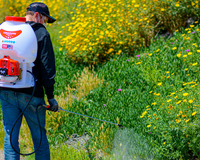
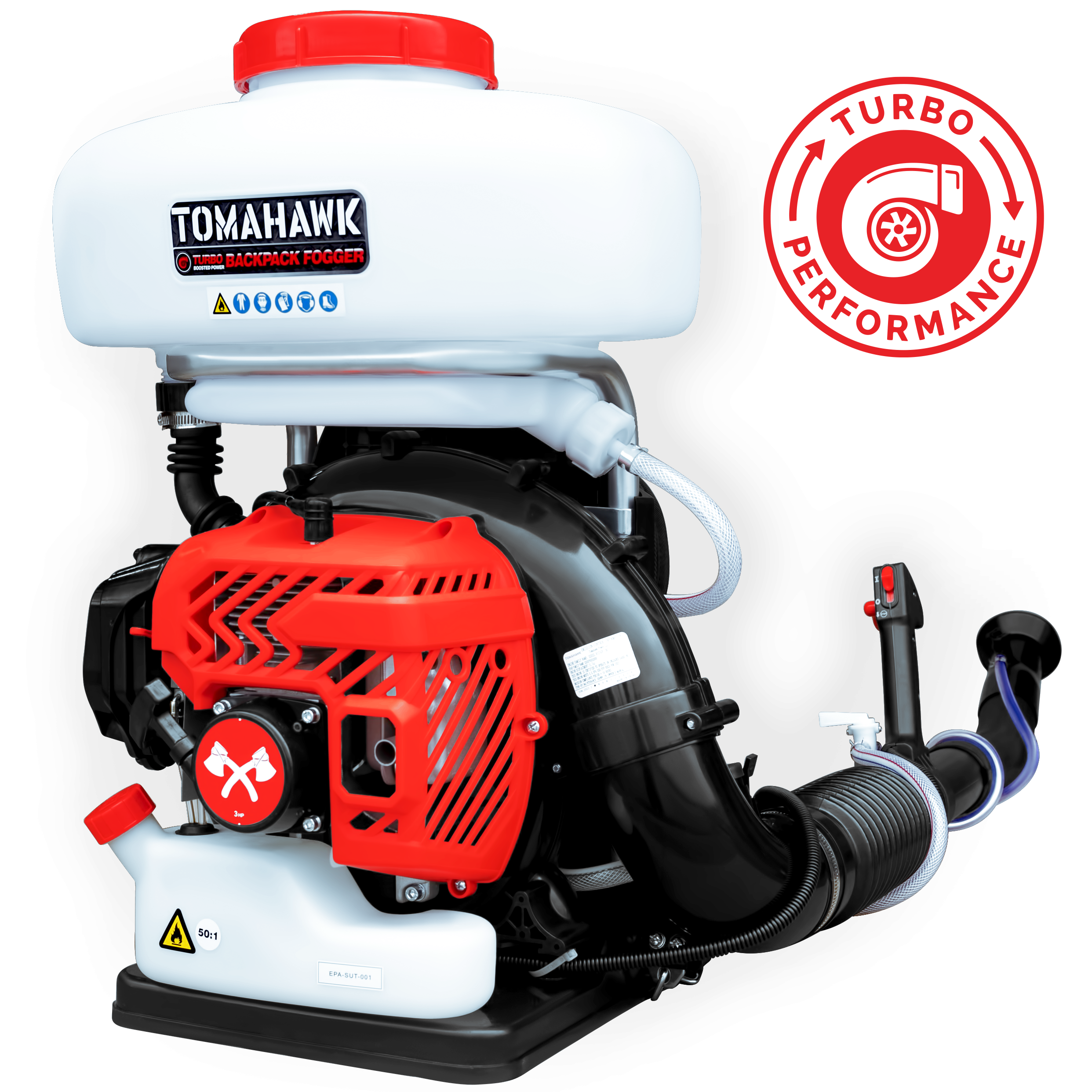
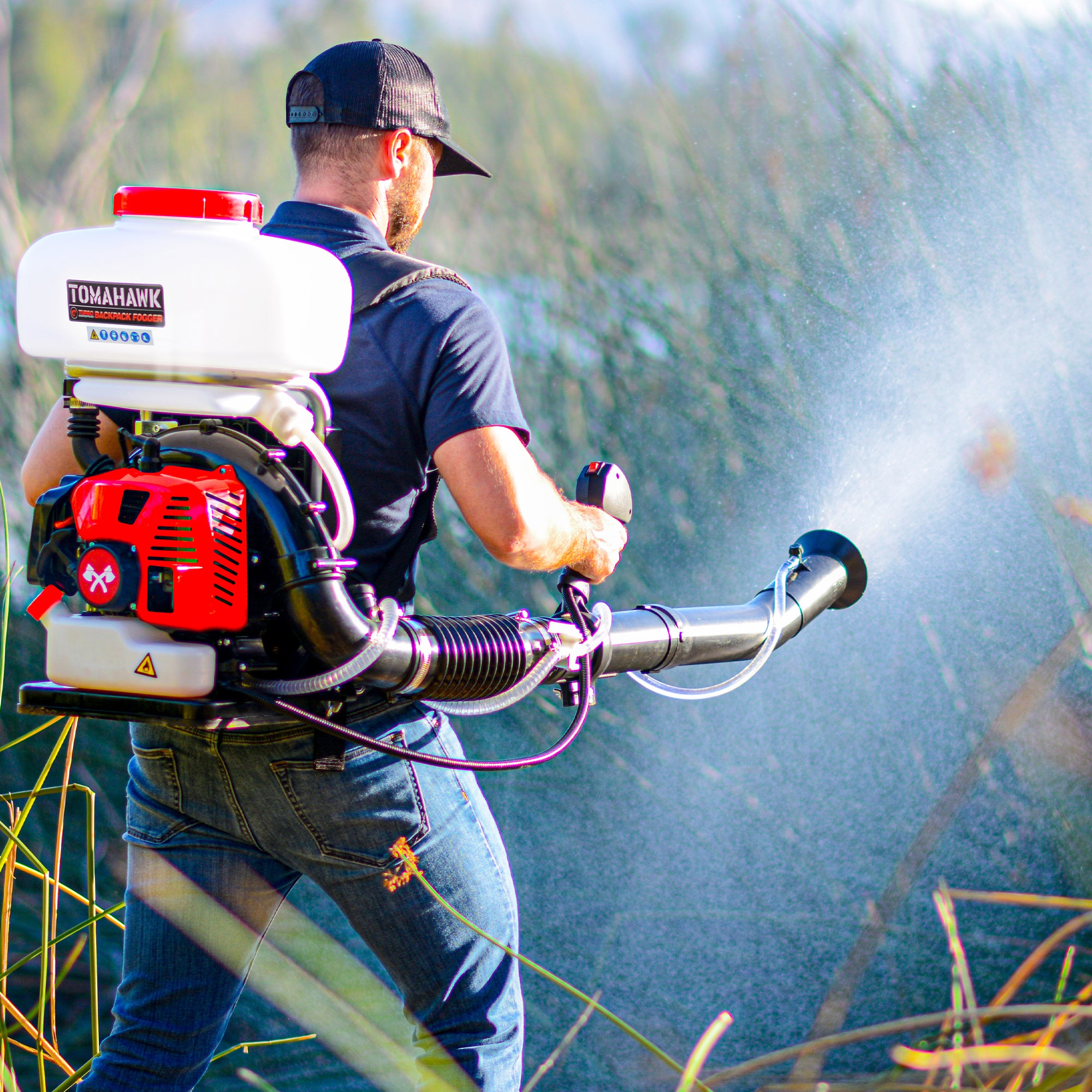
A backpack spreader is a portable, worn system designed to distribute granular materials evenly across a surface. These spreaders use a controlled mechanism—manual, battery, or gas-powered—to broadcast fertilizer in a consistent pattern.
Because the unit is worn on the back, it allows for greater mobility and coverage compared to traditional methods. Backpack spreaders are widely used in landscaping, lawn care, and commercial applications where speed and uniformity are essential.
They are especially effective for medium to large areas where manual spreading would be too slow or inconsistent.
Key Differences Between Backpack Spreaders and Traditional Methods
The most important difference is efficiency. Traditional hand spreading is labor-intensive and time-consuming, especially for larger areas. In contrast, mechanical spreaders significantly reduce the time required to cover the same space.
Consistency is another major factor. Backpack spreaders are designed to distribute fertilizer evenly, which helps prevent over-application in some areas and under-application in others. Traditional methods often struggle with this, leading to patchy growth or fertilizer burn.
Labor and physical strain also differ. Hand spreading requires repetitive motion and physical effort, which can lead to fatigue. Backpack spreaders reduce this strain by automating or assisting the distribution process.
Control and precision, however, can favor traditional methods in small areas. Hand spreading allows users to target specific spots more carefully, making it useful for touch-ups or detailed work.
Productivity and Coverage
When it comes to productivity, backpack spreaders clearly outperform traditional methods. They allow users to cover large areas quickly and efficiently, making them ideal for commercial landscaping and property maintenance.
Traditional spreading is better suited for small lawns or gardens. As the area increases, the time and effort required grow significantly, making it less practical.
In fact, using mechanical spreading equipment can dramatically reduce labor time while improving overall workflow efficiency.
Application Quality and Results
Even fertilizer distribution is critical for healthy plant growth. Backpack spreaders are designed to maintain a consistent application rate, ensuring uniform nutrient coverage across the entire area.
This consistency helps avoid common problems such as over-fertilization, which can damage plants, or under-fertilization, which limits growth.
Traditional methods, while flexible, often result in uneven application due to human error. This can lead to visible inconsistencies in lawn color and growth
When to Use Traditional Spreading Methods
Traditional fertilizer spreading is best suited for:
-
Small gardens or lawns
-
Spot treatments or targeted applications
-
Budget-conscious users
-
Areas with obstacles or tight spaces
It remains a practical option when precision matters more than speed and when the scale of the job is limited.
When to Use a Backpack Spreader
A backpack spreader is the better choice for:
-
Medium to large properties
-
Commercial landscaping jobs
-
Repetitive or high-volume applications
-
Situations requiring consistent coverage
It is especially valuable for professionals looking to increase efficiency and reduce labor time while maintaining high-quality results.
Choosing between a backpack spreader and traditional fertilizer spreading depends on the size and demands of your project.
If you are working on a small area and need precise control, traditional methods can still be effective. However, for larger spaces or frequent applications, a backpack spreader offers clear advantages in speed, consistency, and overall productivity.
In many cases, the best approach is a combination of both—using a backpack spreader for broad coverage and traditional methods for detailed touch-ups. This balanced strategy ensures efficiency without sacrificing precision.