Causes and How to Prevent It
Concrete is known for its strength and durability—but even the best-finished surfaces can develop cracks. If you’ve ever noticed cracks appearing shortly after a concrete project is completed, you’re not alone. The truth is, cracking is common, but understanding why it happens can help you prevent serious issues.
Is It Normal for Concrete to Crack?
Yes—some cracking is normal. Concrete naturally shrinks as it dries and cures. However, excessive or early cracking often points to problems in the pouring, finishing, or curing process.
Common Reasons Concrete Cracks After Finishing
1. Rapid Drying (Shrinkage Cracks)
One of the most common causes is concrete drying too quickly.
-
Hot weather, wind, or direct sunlight can speed up evaporation
-
The surface shrinks faster than the underlying concrete
-
This creates tension that leads to cracks
These are often thin, surface-level cracks but can spread over time.
2. Improper Curing
Curing is the process of keeping concrete moist while it gains strength.
-
If curing is rushed or skipped, concrete becomes weak
-
Lack of moisture leads to shrinkage and cracking
-
Proper curing typically takes at least 7 days
3. Too Much Water in the Mix
Adding extra water might make concrete easier to work with—but it weakens the final product.
-
Excess water increases shrinkage
-
Leads to lower strength and higher crack risk
-
Often results in surface cracking after finishing
4. Poor Finishing Timing
Finishing concrete at the wrong time can cause long-term issues.
-
Too early: Traps water under the surface
-
Too late: Makes it harder to properly smooth and compact
Both can lead to cracks forming after the surface hardens.
5. Lack of Control Joints
Concrete needs space to expand and contract.
-
Control joints guide where cracks should form
-
Without them, cracks appear randomly
-
Proper joint placement reduces visible damage
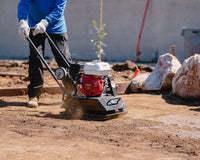
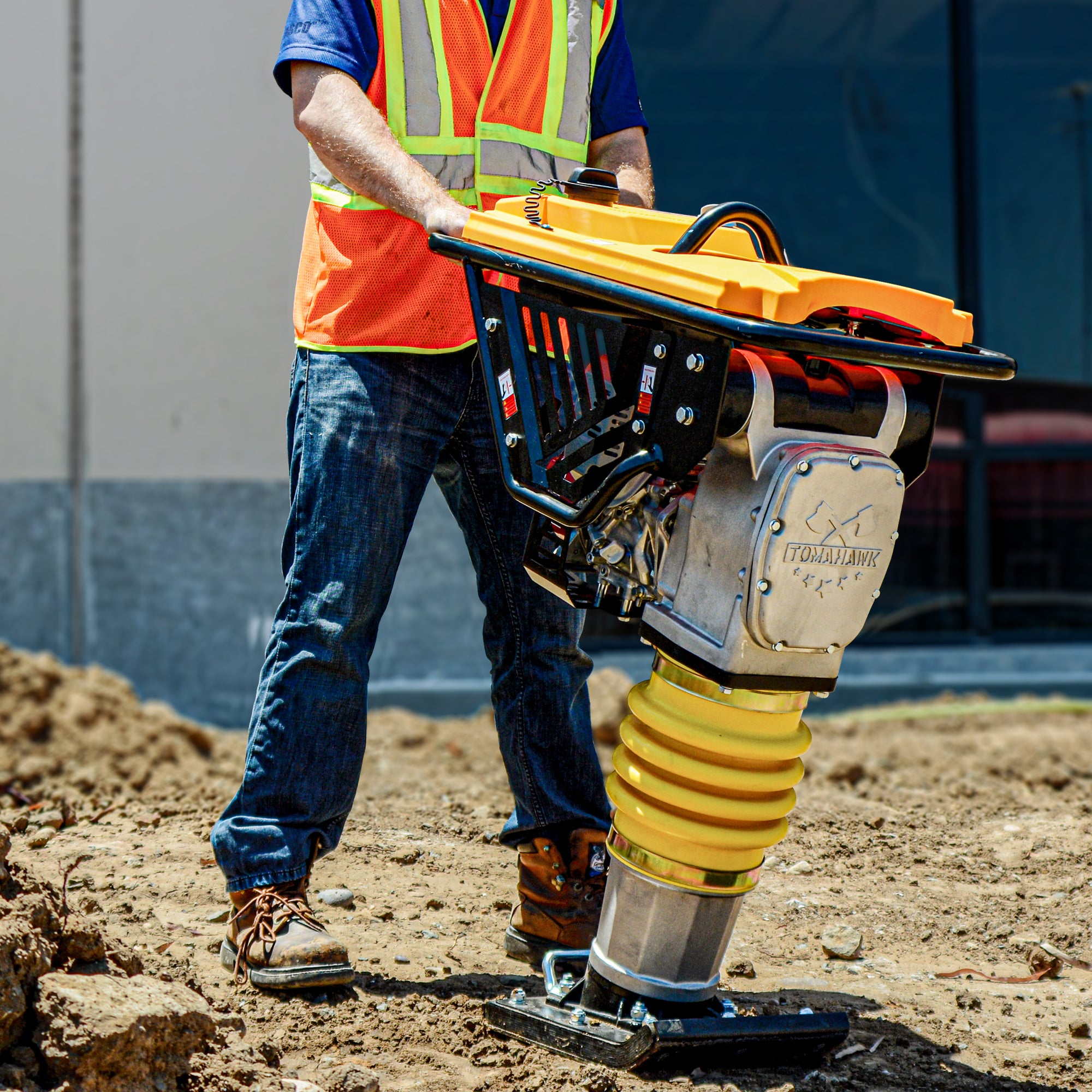
6. Weak Subgrade (Ground Below)
The surface may look perfect, but problems underneath can cause cracking.
-
Poorly compacted soil shifts over time
-
Leads to uneven support
-
Causes structural cracks
7. Temperature Changes
Concrete expands and contracts with temperature fluctuations.
-
Hot days and cool nights create stress
-
Seasonal changes can worsen cracks
-
Freeze-thaw cycles (in colder regions) are especially damaging
How to Prevent Concrete Cracks
While you can’t eliminate all cracking, you can greatly reduce it with proper practices:
-
Use the correct water-to-cement ratio
-
Avoid pouring during extreme heat or wind
-
Cure concrete properly (keep it moist)
-
Install control joints at the right spacing
-
Ensure a stable, compacted base
-
Use reinforcement (rebar or wire mesh when needed)
A Contractor’s Insight
As many professionals point out:
“Concrete doesn’t fail overnight—it cracks because of what happens in the first few hours after it’s poured. Proper prep and curing make all the difference.”
Concrete cracking after finishing is often the result of timing, moisture, and environmental conditions. While small cracks can be normal, larger or widespread cracks usually indicate preventable issues.
Bottom line: The key to strong, long-lasting concrete isn’t just in the mix—it’s in the finishing and curing process that follows.
By understanding the causes and taking the right precautions, you can keep your concrete looking and performing its best for years to come.