If it feels like your yard has suddenly become a mosquito hotspot, you’re not imagining things. Mosquito populations can spike quickly when the conditions are right—and unfortunately, many residential yards provide the perfect environment for them to thrive.
Let’s break down exactly why mosquitoes are showing up in large numbers and what you can do about it.
The Short Answer
Mosquitoes are drawn to standing water, shade, warmth, and carbon dioxide (you). If your yard has even a few of these elements, it can quickly become a breeding and feeding ground.
1. Standing Water (The #1 Cause)
Mosquitoes lay their eggs in stagnant water, and it doesn’t take much—just a small amount can support hundreds of larvae.
Common problem areas:
-
Clogged gutters
-
Plant saucers
-
Birdbaths
-
Buckets or containers
-
Old tires
-
Low spots in your lawn
👉 Even a bottle cap of water can produce mosquitoes in as little as 7–10 days.
2. Poor Drainage in Your Yard
If your yard doesn’t drain well after rain or watering, you may have hidden breeding zones.
Signs of poor drainage:
-
Soggy soil days after watering
-
Puddles that don’t disappear
-
Uneven lawn areas
This often ties into grading or soil issues—especially in newer construction areas.
3. Too Much Shade and Dense Vegetation
Mosquitoes avoid direct sunlight and prefer cool, shaded areas where they can rest during the day.
High-risk areas:
-
Overgrown bushes
-
Tall grass
-
Dense landscaping
-
Areas under decks or patios
👉 The more shaded and humid your yard is, the more attractive it becomes.
4. You (and Your Family) Attract Them
Mosquitoes are highly sensitive to:
-
Carbon dioxide (from breathing)
-
Body heat
-
Sweat and skin bacteria
The more people and pets using your yard, the more appealing it becomes as a feeding zone.
5. Nearby Water Sources
Even if your yard is clean, nearby water can still cause a mosquito problem.
Examples:
-
Neighbor’s yard
-
Storm drains
-
Retention ponds
-
Creeks or irrigation runoff
Mosquitoes can travel up to 1–3 miles, so the source isn’t always obvious.
6. Seasonal and Climate Factors
Mosquito populations explode during:
-
Warm temperatures
-
High humidity
-
Rainy seasons
In places like Southern California, irrigation and landscaping can create year-round breeding conditions, even without heavy rain.
7. Lack of Regular Treatment
If your yard isn’t being treated, mosquitoes will continue to reproduce unchecked.
DIY solutions often:
-
Kill only adult mosquitoes
-
Miss hidden breeding areas
-
Wear off quickly
This allows the cycle to continue week after week.
How to Reduce Mosquitoes in Your Yard
Start with these steps:
-
Eliminate all standing water
-
Improve drainage in problem areas
-
Trim bushes and reduce shade
-
Keep grass short
-
Clean gutters regularly
When to Call a Professional
If mosquitoes keep coming back despite your efforts, it’s usually a sign of:
-
Hidden breeding areas
-
Larger environmental factors
-
Ineffective treatment methods
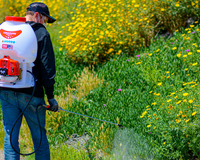
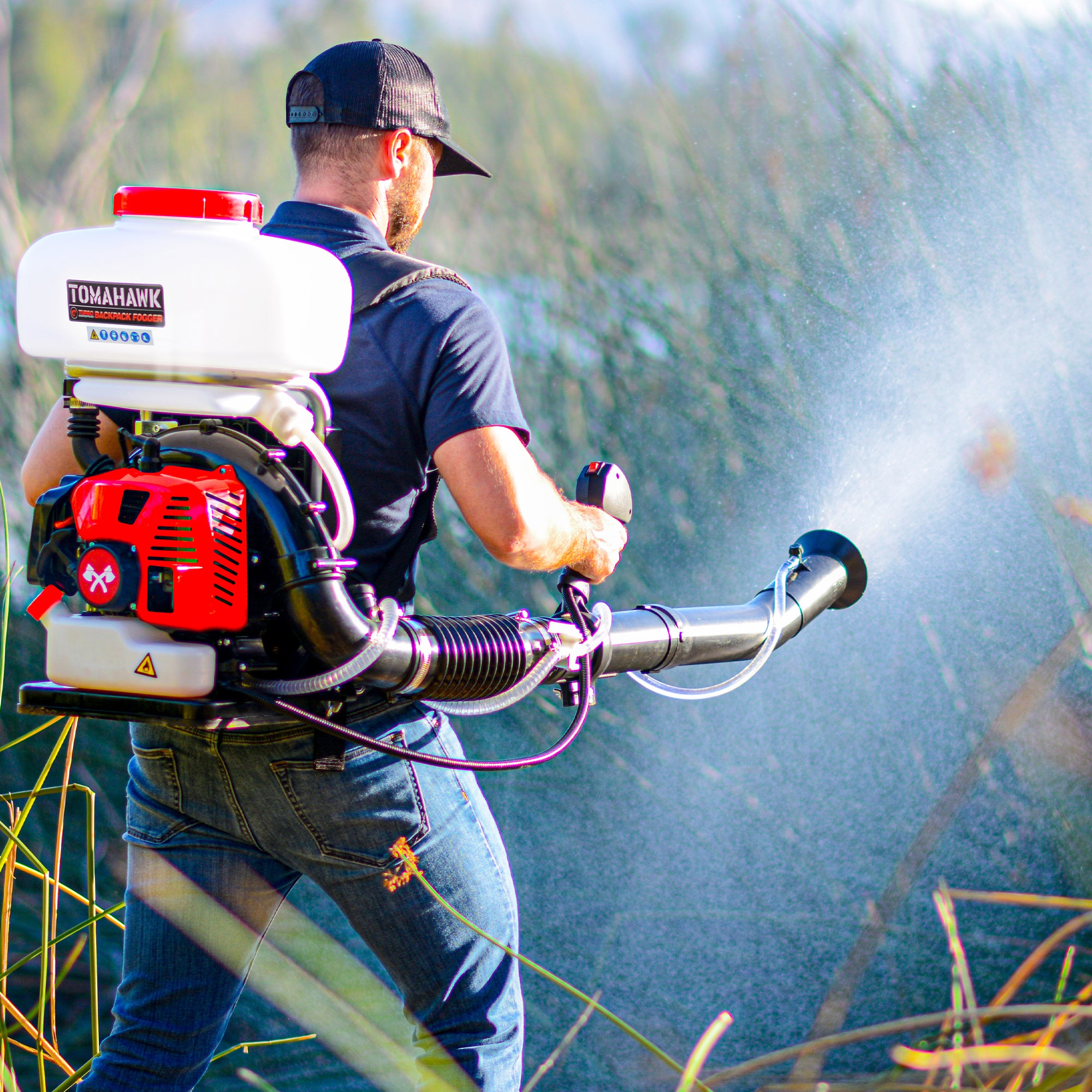
Professional mosquito control targets:
-
Larvae (before they hatch)
-
Adult resting areas
-
Long-term prevention
Mosquito infestations don’t happen randomly—they’re the result of specific environmental conditions. The good news is that once you identify what’s causing the problem, you can take targeted steps to fix it.
If your yard checks several of these boxes, it may be time to move beyond DIY and look at a more comprehensive mosquito control plan.
Need help identifying the source of mosquitoes in your yard? A professional inspection can pinpoint exactly where they’re breeding—and how to stop them for good.