
Outdoor maintenance often involves repetitive motion, extended wear time, and uneven terrain. For homeowners and property managers alike, comfort is not just a luxury but a factor that directly affects efficiency, accuracy, and long-term physical health. Ergonomic outdoor gear is designed to reduce strain, support natural movement, and make routine tasks more manageable.
Understanding Ergonomics in Outdoor Equipment
Ergonomics focuses on designing tools and equipment that work with the human body rather than against it. In outdoor gear, this includes weight distribution, handle placement, padding, and adjustability. Poorly designed equipment can lead to muscle fatigue, joint strain, and inconsistent performance during extended use.
When tasks such as spraying lawns or managing garden treatments require steady movement over time, ergonomics play a critical role in maintaining comfort and control.
How Weight Distribution Affects User Fatigue
One of the most common causes of discomfort during outdoor work is uneven or excessive weight. Tools that place strain on the arms, shoulders, or lower back can quickly become tiring.
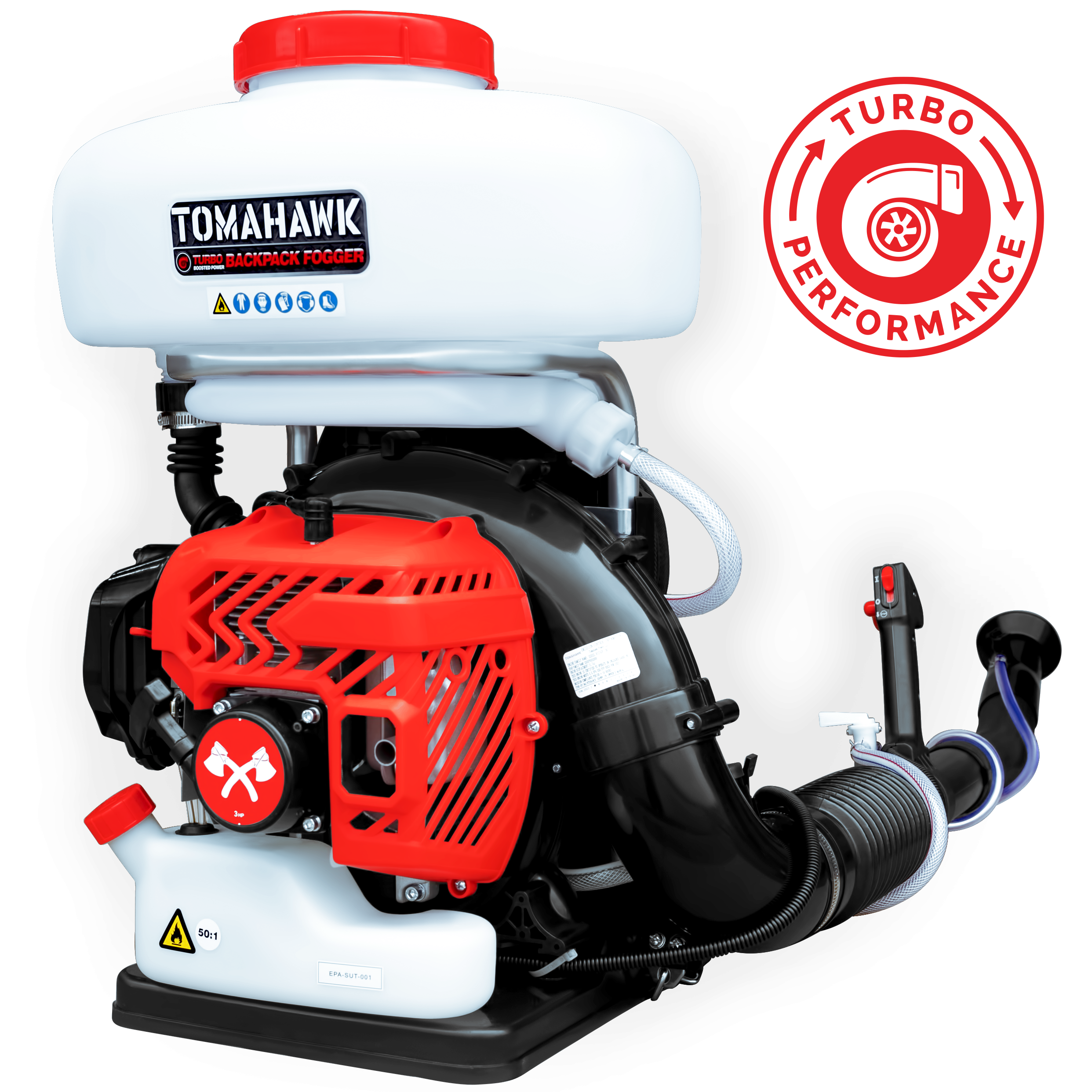
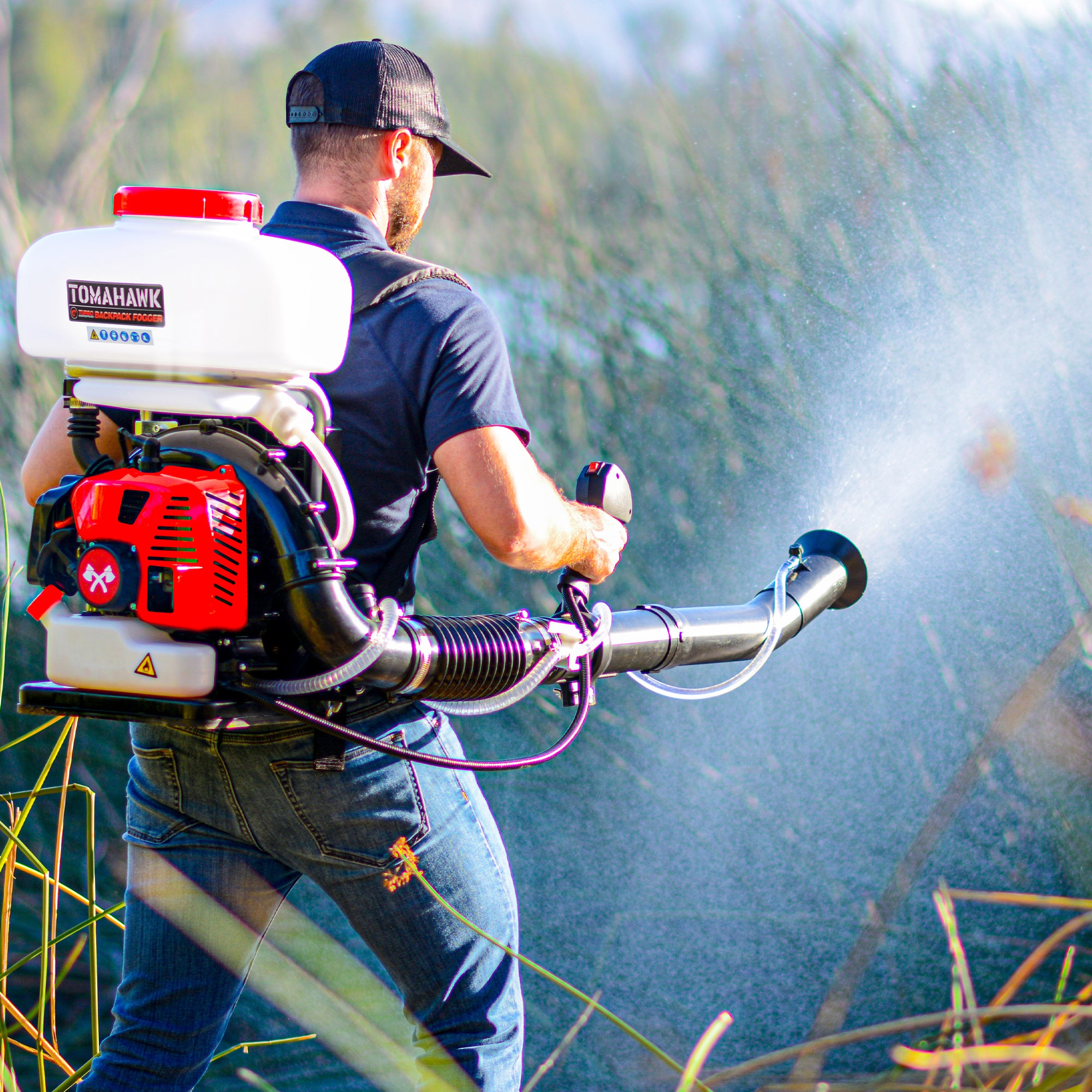
Backpack-style equipment, including battery-powered backpack sprayers, is designed to distribute weight across the shoulders and back rather than relying solely on arm strength. This balanced design reduces fatigue and allows users to work longer with more consistent results.
Repetitive Motion and Long-Term Comfort
Repetitive actions, such as pumping a manual sprayer or gripping awkward handles, can place stress on muscles and joints over time. Ergonomic designs aim to minimize repetitive strain by automating pressure, improving grip angles, and supporting natural posture.
Battery-powered backpack sprayers help eliminate constant manual pumping, allowing users to focus on movement and application instead of repetitive force. This can make a noticeable difference during longer spraying sessions.
Adjustability and Fit for Different Users
Comfort is not one-size-fits-all. Adjustable straps, padded harnesses, and flexible components allow ergonomic gear to fit a wider range of users comfortably.
Well-designed backpack sprayers accommodate different body types and heights, helping ensure proper posture and reducing pressure points. This adjustability supports better control and reduces the likelihood of discomfort during extended use.
Ergonomic outdoor gear is about more than comfort; it supports efficiency, consistency, and long-term physical well-being. Tools like battery-powered backpack sprayers demonstrate how thoughtful design can reduce strain and improve the overall outdoor maintenance experience. Choosing ergonomically designed equipment helps make routine tasks more manageable and sustainable over time.