Mosquito activity across the Midwest is intensifying, and it’s not just anecdotal. A growing body of research confirms that changing weather patterns, increased rainfall, and rising temperatures are directly contributing to higher mosquito populations and longer seasons.
For contractors, property managers, and homeowners, this isn’t just a seasonal nuisance—it’s a predictable, science-backed trend that requires a more strategic response.
The Science Behind the Mosquito Surge
Multiple studies have demonstrated that mosquito populations are highly sensitive to environmental conditions, particularly rainfall, humidity, and temperature.
A recent study analyzing mosquito populations in Indiana found that different mosquito species respond strongly to weather variables such as humidity and rainfall variability, directly influencing population growth patterns.
Similarly, modeling research shows that temperature and precipitation significantly affect mosquito reproduction, maturation, and survival rates, often leading to rapid population increases during warm, wet periods.
Even small shifts in rainfall patterns can have a major impact. Studies on mosquito dynamics indicate that increased rainfall variability can boost overall mosquito abundance and shift peak activity earlier in the season.
In practical terms, this means that the exact conditions seen across the Midwest—heavy rain followed by heat—are ideal for mosquito outbreaks.
Why the Midwest Is Especially Vulnerable
The Midwest presents a unique combination of environmental factors that amplify mosquito activity:
- Agricultural irrigation and standing water
- Flood-prone landscapes and drainage systems
- Seasonal humidity combined with rising temperatures
According to recent U.S. mosquito surveillance data, mosquito seasons are lasting longer and expanding into new regions, increasing both nuisance levels and disease risk.
Research initiatives led by institutions like the Midwest Center of Excellence for Vector-Borne Disease are actively studying how urban infrastructure—such as storm drains—creates hidden breeding grounds that sustain mosquito populations even in developed areas.
This explains why mosquito issues are no longer limited to rural or wetland environments—they are now a widespread urban and commercial concern.
The Limits of Basic Mosquito Control
While eliminating standing water remains a key recommendation, research shows that mosquito populations are resilient and adaptive.
Population modeling studies highlight that mosquito abundance is influenced by multiple overlapping factors, including spatial distribution and environmental variability—making it difficult to control with isolated or small-scale treatments.
In other words, even if one breeding area is removed, others nearby can quickly sustain the population.
This is why reactive solutions—like sprays or repellents—often fail to provide lasting relief during peak surges.
What Research Suggests About Effective Control
Scientific and operational studies consistently point to the importance of targeted, area-wide interventions.
Vector control programs across the U.S. rely on methods such as:
- Ultra-low volume (ULV) spraying
- Barrier treatments in vegetation
- Coordinated adult mosquito reduction strategies
These approaches are designed to reduce adult mosquito populations at scale, not just prevent bites temporarily.
Research also emphasizes that timing and coverage are critical—interventions must reach the areas where mosquitoes rest and breed to be effective.
Applying These Findings in Real-World Environments
While large-scale mosquito abatement programs use trucks or aerial spraying, smaller-scale environments—like job sites, properties, and private land—require a more flexible solution.
This is where portable fogging equipment becomes highly relevant.
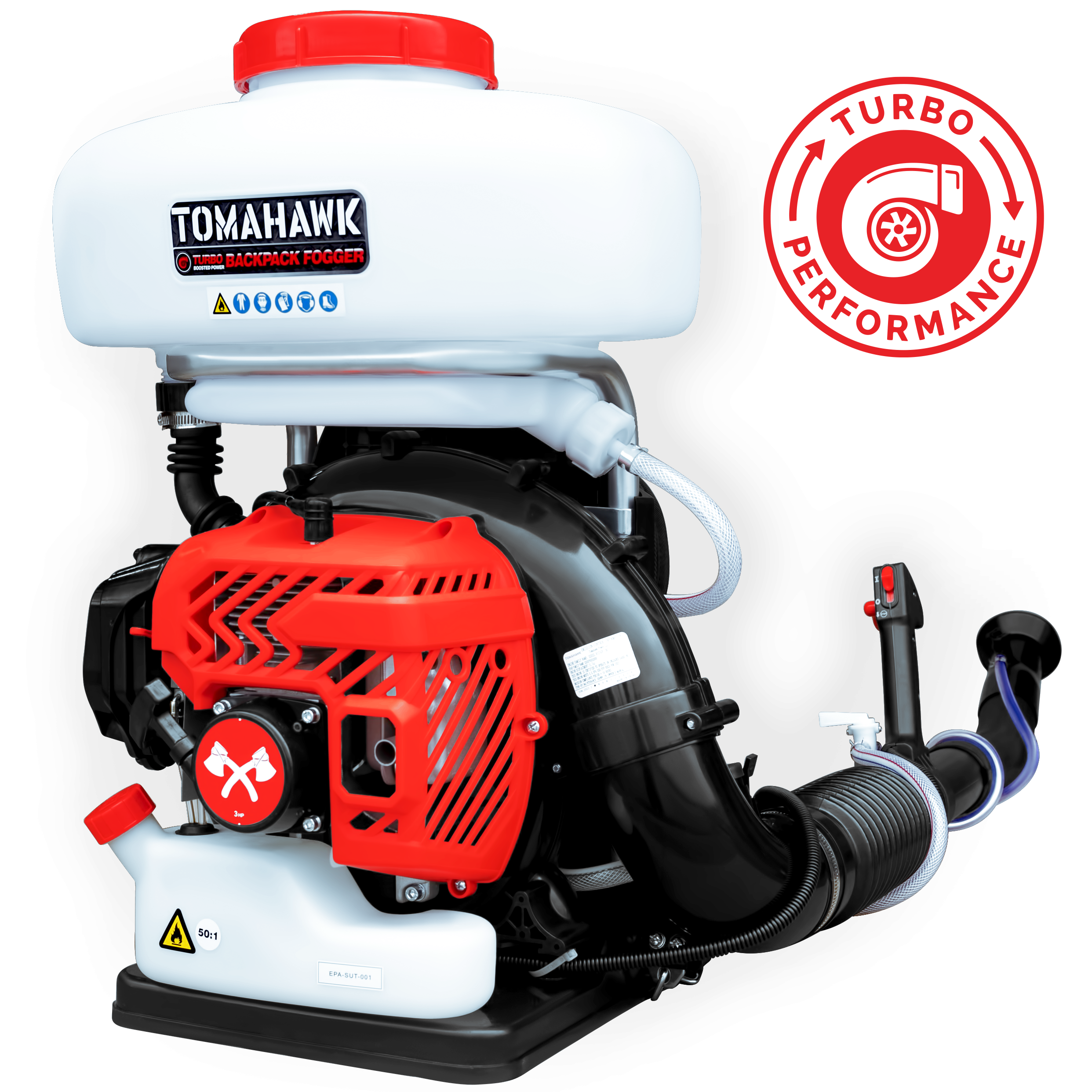
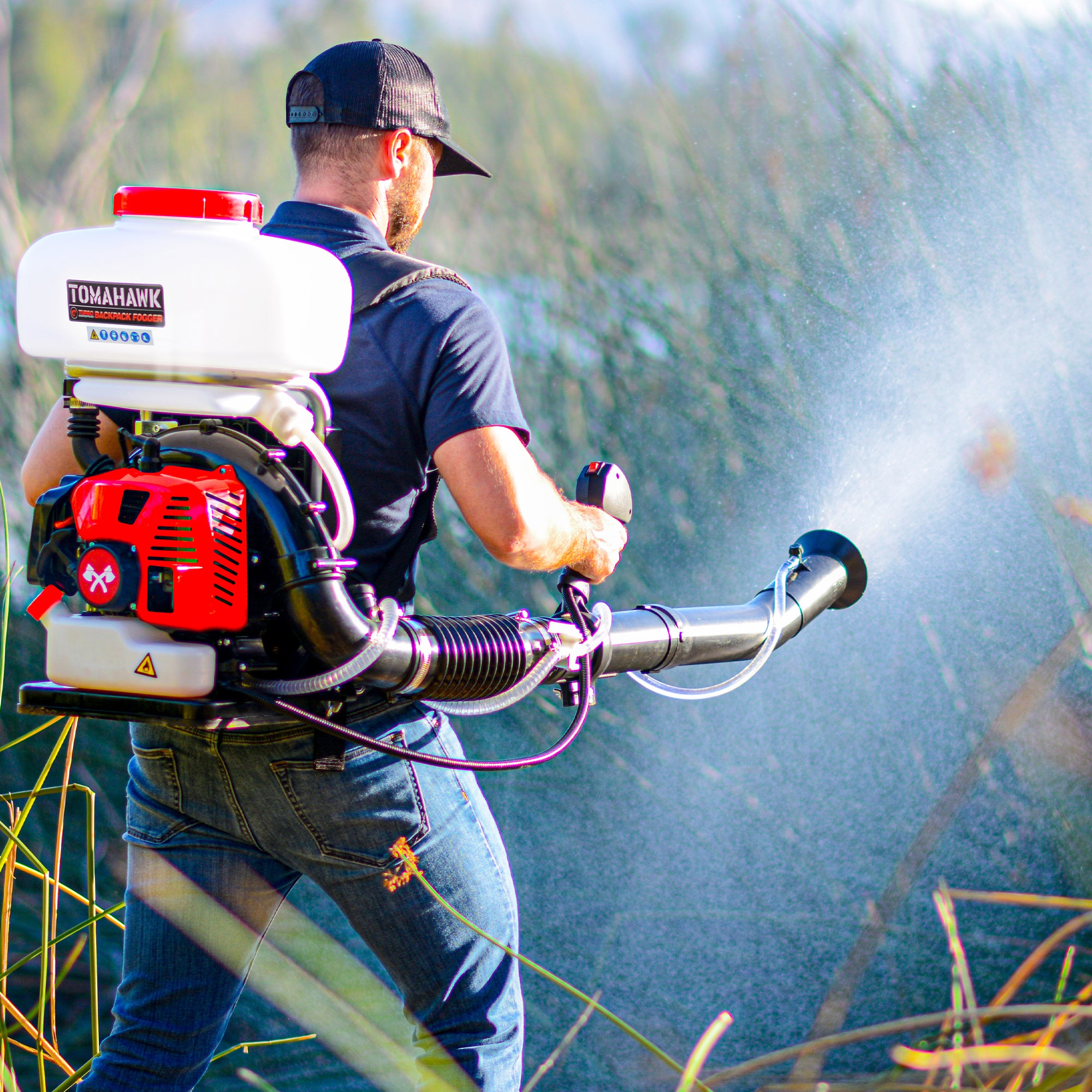
A mosquito backpack fogger allows operators to:
- Apply treatment across wide areas efficiently
- Reach dense vegetation and hidden resting zones
- Replicate professional-grade mosquito control methods on a smaller scale
Instead of relying on limited, surface-level applications, this approach aligns more closely with the strategies used in formal vector control programs.
From Research to Action
The current mosquito surge in the Midwest is not an isolated event—it’s the result of well-documented environmental and biological patterns.
Research clearly shows that:
- Weather variability increases mosquito populations
- Standing water alone does not fully explain outbreaks
- Broad, targeted control methods are more effective than localized treatments
As mosquito seasons continue to expand and intensify, adapting control strategies becomes essential.
For those managing outdoor spaces—whether it’s a construction site, commercial property, or residential area—combining prevention with scalable treatment methods offers the most reliable path forward.