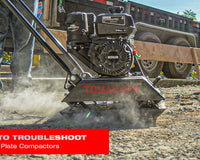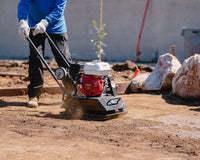
Proper soil compaction is one of the most important steps in any construction or landscaping project. Whether you're preparing a base for a concrete slab, pavers, or a walkway, using a plate compactor ensures the ground is stable, level, and built to last. Skipping or improperly performing this step can lead to uneven surfaces, settling, and long-term structural issues.
What Is a Plate Compactor?
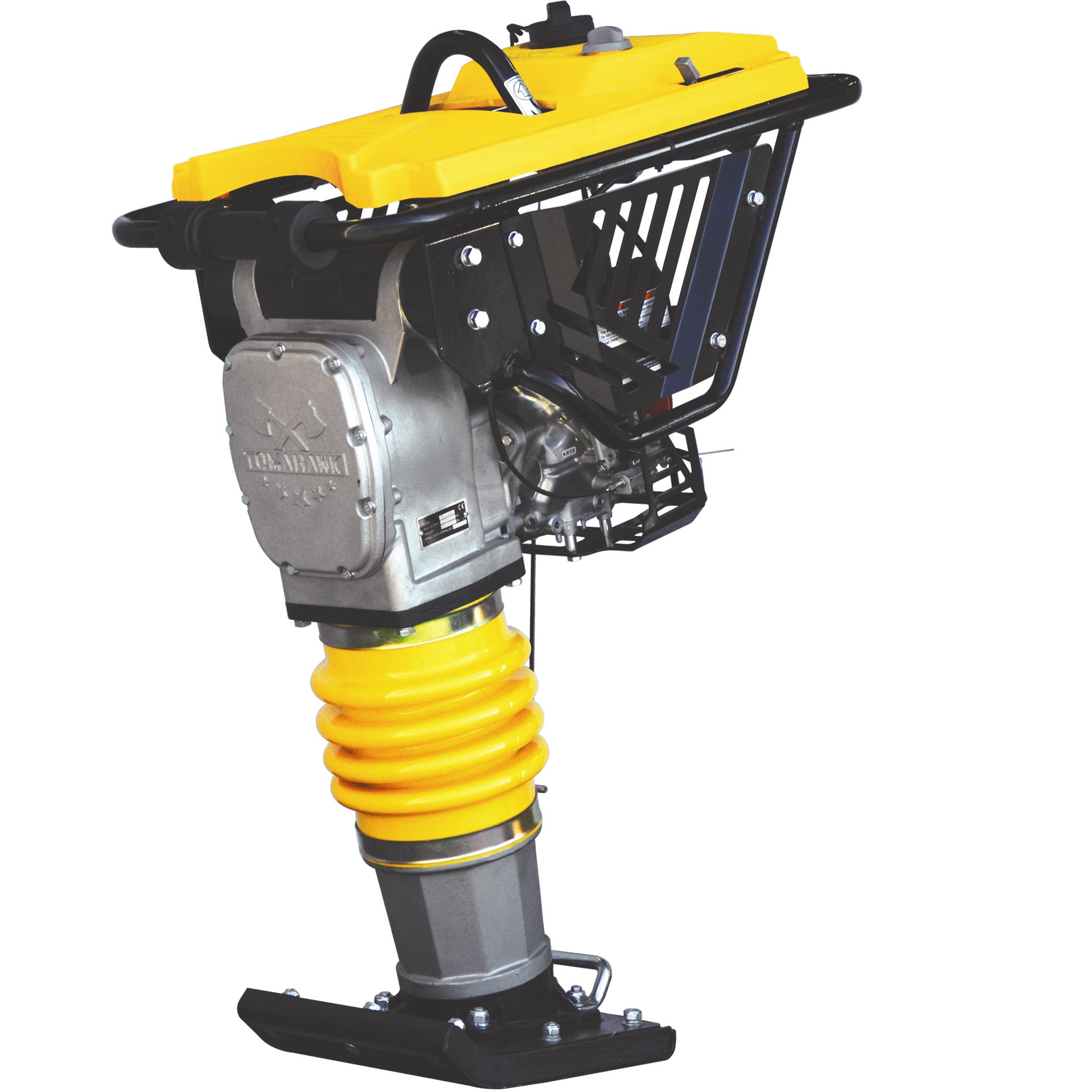
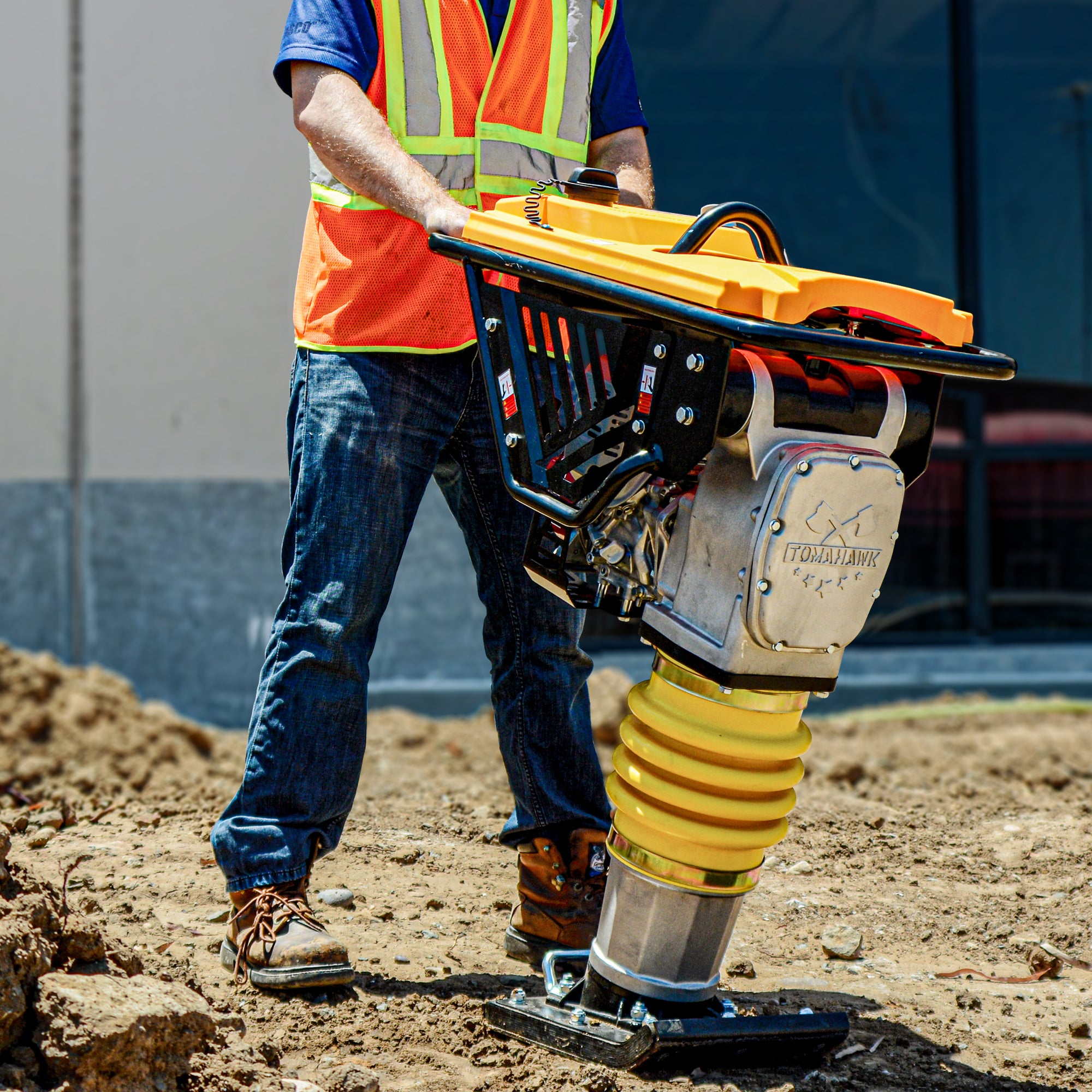
A plate compactor is a machine designed to compress soil, gravel, or asphalt using a heavy vibrating plate. As the machine moves across the surface, the vibrations force air pockets out of the material, increasing density and stability.
Plate compactors are commonly used in:
-
Driveway and walkway preparation
-
Patio and paver installations
-
Landscaping and grading projects
-
Jobsite base preparation
Why Soil Compaction Matters
Before placing any surface material, the ground beneath must be firm and uniform. Proper compaction helps:
-
Prevent sinking or shifting over time
-
Improve load-bearing capacity
-
Reduce water infiltration and erosion
-
Create a smooth, even base for finishing work
Without proper compaction, even the best materials can fail prematurely.

Tools and Materials You’ll Need
Before starting, gather the necessary equipment:
-
Water source (hose or sprayer)
-
Rake and shovel
-
Work gloves and safety gear
Having everything ready will help you work efficiently and safely.
Step-by-Step Guide to Compacting Soil
1. Prepare the Area
Start by clearing the site of debris, rocks, and organic material like roots or grass. Use a rake or shovel to level the soil and distribute it evenly across the area.
A well-prepared surface ensures consistent compaction.
2. Moisturize the Soil
Lightly dampen the soil before compacting. Moist soil compacts more effectively than dry soil because the water helps bind particles together.
Avoid overwatering, as muddy soil can reduce compaction efficiency.
3. Start the Plate Compactor
Turn on the compactor and position it at one edge of the work area. Maintain a firm grip and let the machine move forward naturally—most plate compactors are designed to propel themselves.
4. Compact in Passes
Move the compactor in straight, overlapping passes across the entire area. Each pass should slightly overlap the previous one to ensure even coverage.
For best results:
-
Work in one direction first
-
Then repeat in a perpendicular direction
This cross-pattern approach improves overall density.
5. Check and Repeat
After completing a full pass, inspect the surface. If the soil still feels loose or uneven, repeat the process until the desired firmness is achieved.
Multiple passes are often necessary, especially for thicker layers.
Tips for Better Compaction Results
-
Compact in layers: For deep areas, work in 2–4 inch layers instead of all at once
-
Keep a steady pace: Moving too fast reduces effectiveness
-
Avoid dry or overly wet soil
-
Pay extra attention to edges and corners
Common Mistakes to Avoid
Even with the right equipment, mistakes can impact your results:
-
Skipping site preparation
-
Compacting soil that is too dry or too wet
-
Not making enough passes
-
Trying to compact thick layers all at once
Avoiding these issues will help you achieve a stronger, more reliable base.
When to Use a Plate Compactor
Plate compactors are ideal for granular soils like sand and gravel. For cohesive soils (such as clay), additional methods or specialized equipment may be required for effective compaction.
Understanding your soil type helps ensure you’re using the right approach.
Using a plate compactor correctly can significantly improve the durability and quality of your project. While the process is straightforward, attention to detail—such as proper moisture levels, consistent passes, and working in layers—makes all the difference.
Whether you're preparing a patio, walkway, or foundation base, proper soil compaction is the key to long-lasting results.