A Complete Guide for Homeowners
Mosquitoes are more than just a nuisance—they can carry diseases and quickly turn your outdoor space into an uncomfortable environment. One of the most common solutions is mosquito spraying, but many homeowners wonder: how often should it actually be done? The answer depends on several factors, including your location, climate, and the severity of the infestation.
Understanding Mosquito Life Cycles
To determine the right spraying frequency, it helps to understand how mosquitoes reproduce. Mosquitoes lay eggs in standing water, and under the right conditions, those eggs can develop into adults in as little as 7–10 days. This rapid life cycle means that missing even a short window can allow populations to rebound quickly.
General Recommendation
For most residential areas, professional mosquito spraying is typically recommended every 2 to 4 weeks during peak mosquito season. This schedule helps break the breeding cycle and maintain consistent control over the population.
-
Every 2 weeks: Ideal for high-infestation areas or regions with warm, humid climates.
-
Every 3–4 weeks: Suitable for moderate mosquito activity or areas with less favorable breeding conditions.
Factors That Affect Spraying Frequency
1. Climate and Weather
Warm and humid conditions accelerate mosquito breeding. If you live in a region with frequent rain, you may need more frequent treatments because rain creates standing water and can wash away previous sprays.
2. Property Conditions
Yards with dense vegetation, shaded areas, or water features (like ponds or birdbaths) tend to attract more mosquitoes. These environments may require more frequent spraying.
3. Type of Treatment Used
Different mosquito control products last for varying durations:
-
Barrier sprays: Usually effective for 2–3 weeks
-
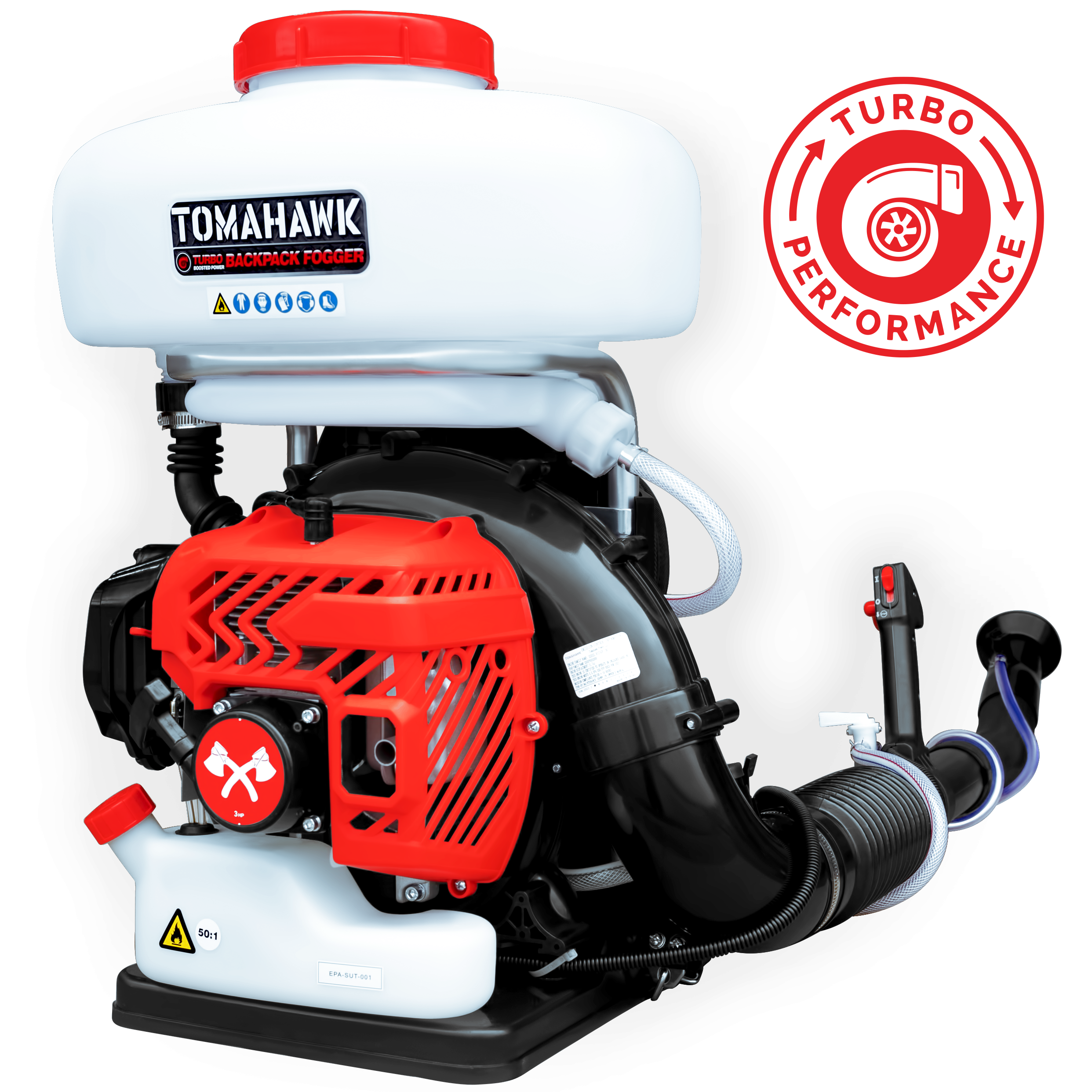
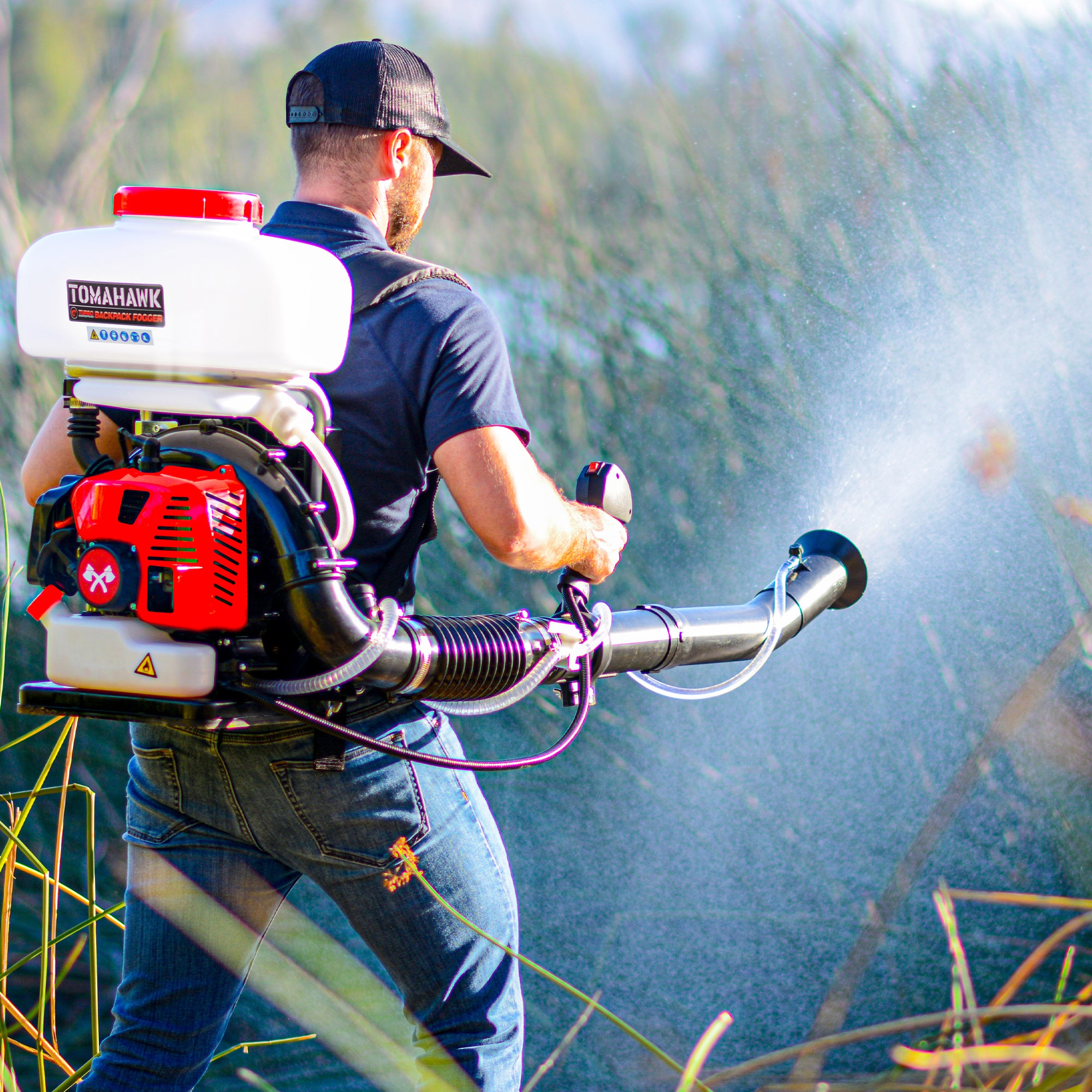
Fogging treatments: Provide immediate but short-term relief
-
Natural or organic sprays: May require more frequent application
4. Mosquito Species
Some species are more aggressive and reproduce faster than others. In areas with high-risk species, consistent spraying becomes even more important.
DIY vs. Professional Spraying
-
DIY Spraying: Typically needs to be done more often—about every 1–2 weeks—since over-the-counter products may not last as long.
-
Professional Services: Use stronger, longer-lasting formulations and often include inspections to identify breeding sites, making them more effective over time.
Additional Prevention Tips
Spraying alone isn’t enough for long-term mosquito control. Combine it with these strategies:
-
Eliminate standing water (gutters, buckets, plant trays)
-
Keep grass and shrubs trimmed
-
Use outdoor fans to disrupt mosquito flight
-
Install screens or netting where needed
When to Increase Frequency
You may need to spray more often if:
-
You notice a sudden spike in mosquito activity
-
There has been heavy rainfall
-
You’re hosting outdoor events
-
Nearby construction or landscaping has disturbed breeding areas
There’s no one-size-fits-all answer, but a consistent schedule—typically every 2 to 4 weeks—offers the best protection. Monitoring your yard and adjusting based on conditions will help keep mosquito populations under control and your outdoor space enjoyable all season long.
By combining regular spraying with proactive prevention, you can significantly reduce mosquitoes and reclaim your backyard.