Gardening involves steady movement, lifting, and repeated motion that can gradually affect the shoulders and lower back. While many gardeners focus on plant health, protecting personal health is equally important. A few practical adjustments can significantly reduce strain and support long-term comfort.
Recognizing Early Signs of Strain
Mild soreness in the shoulders or stiffness in the lower back may seem minor, but they often signal overuse. Ignoring these early signs can lead to more persistent discomfort.
Spraying large areas with handheld equipment or carrying uneven loads are common contributors. Identifying these patterns helps gardeners make better equipment choices.
The Advantage of Balanced Load Distribution
Balanced load distribution allows larger muscle groups to share the workload. Carrying equipment evenly across both shoulders helps prevent one-sided strain.
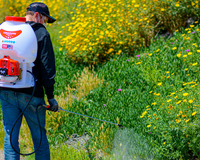
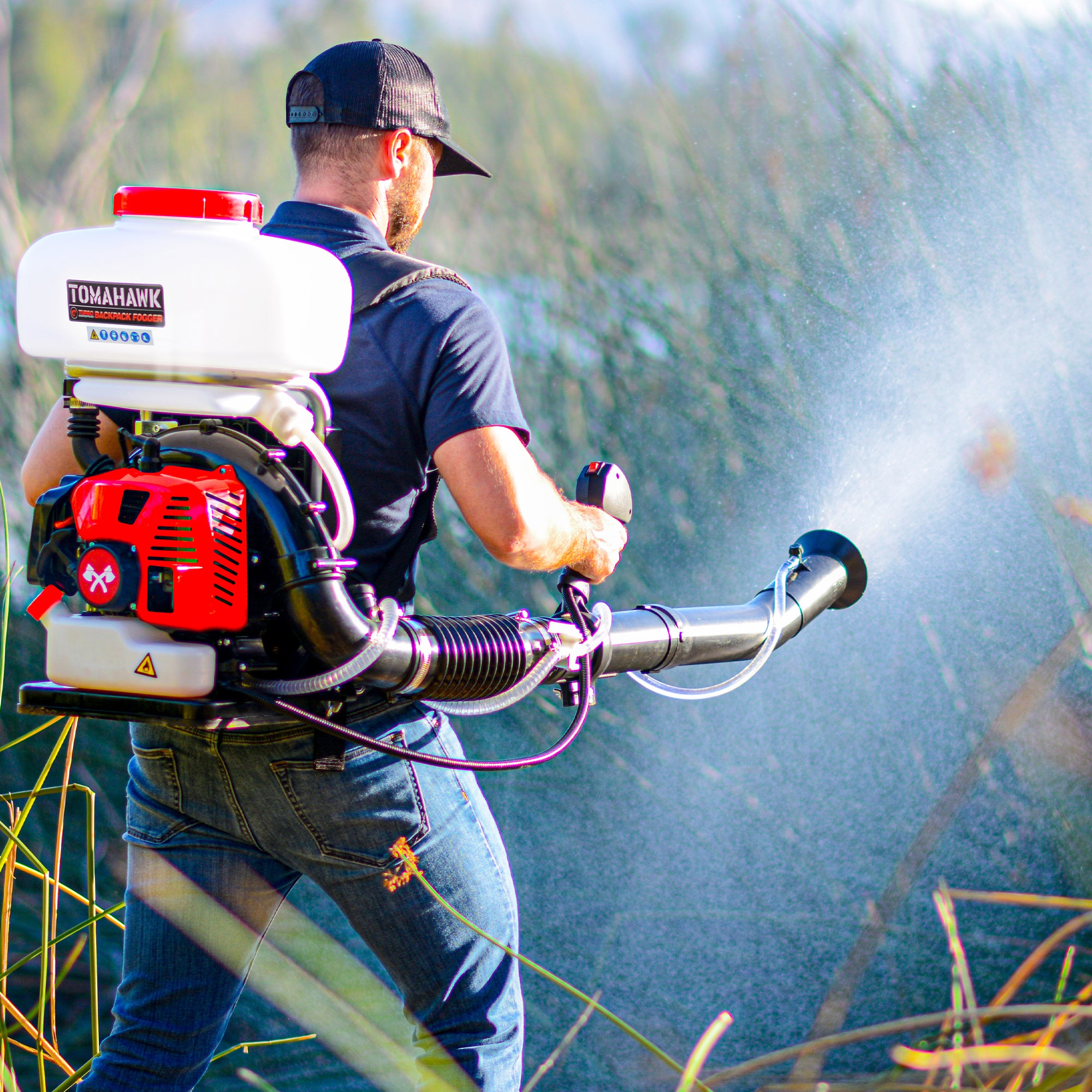
Battery-powered backpack sprayers are designed to distribute weight across the back, minimizing arm fatigue and allowing for steadier movement across lawns and garden beds.
Eliminating Repetitive Pumping Motion
Manual sprayers rely on continuous pumping to maintain pressure. This repetitive motion places stress on the shoulder joint and surrounding muscles.
Battery-powered systems provide automatic pressure control, reducing the need for repetitive force. This allows users to maintain a neutral arm position and reduces unnecessary strain.
Designing a Sustainable Gardening Routine
Long-term gardening comfort comes from combining proper equipment with mindful habits. Keeping tools lightweight, adjusting straps properly, and maintaining upright posture all contribute to reduced physical stress.
When equipment is ergonomically designed and supports natural movement, gardening becomes more manageable and less physically demanding.
Protecting your shoulders and back while gardening is essential for maintaining both productivity and long-term well-being. Choosing ergonomic tools, including battery-powered backpack sprayers, helps reduce repetitive strain and improve comfort, allowing gardeners to focus on maintaining healthy outdoor spaces without unnecessary pain.